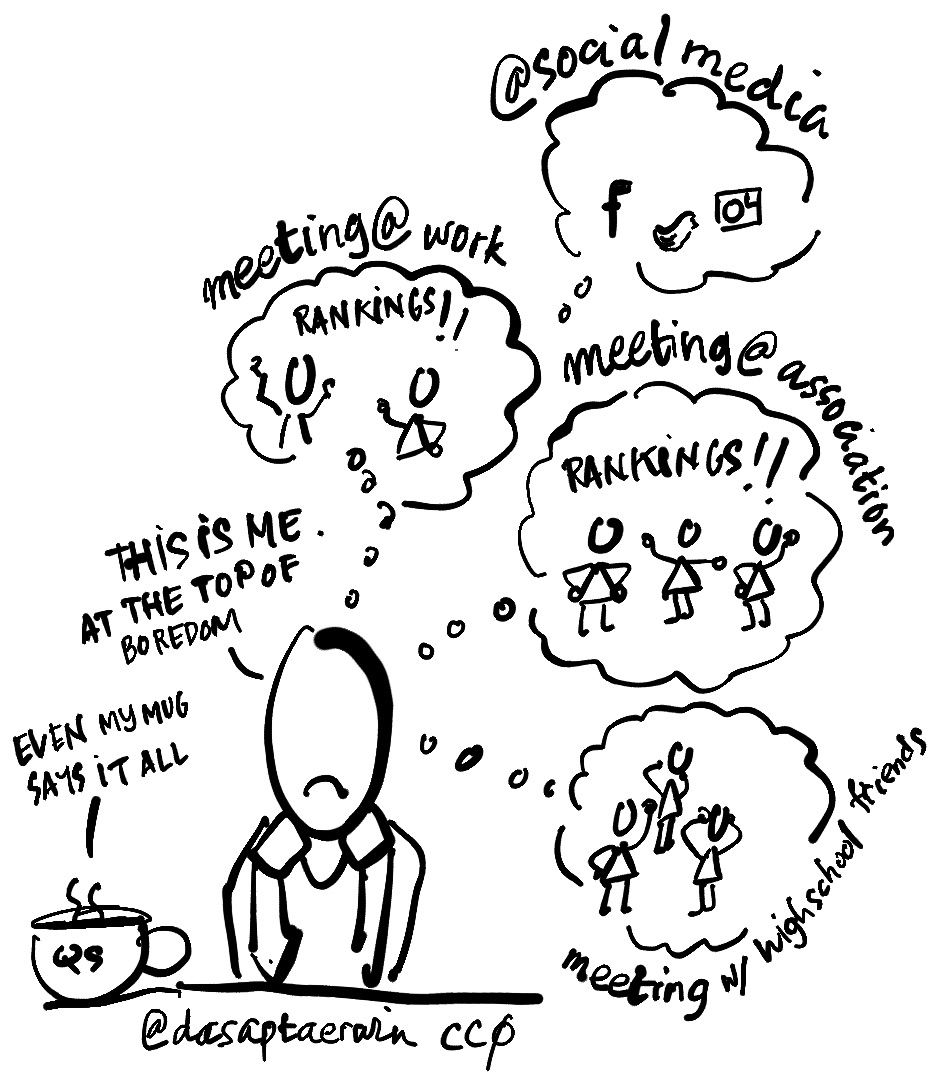
We have been sold a lie: that leadership is the art of constant, high-velocity problem-solving. In the modern executive suite, we treat downtime as a failure of system efficiency. If we aren’t iterating, we are falling behind. But this ‘bias for action’ is exactly what prevents the emergence of truly disruptive strategy.
While many leaders are now retreating to the wilderness to escape the digital grind, the real innovation isn’t in the location—it’s in the intentional creation of a Strategic Void. Nature is merely the container for the most undervalued commodity in business: productive boredom.
The Pathology of the ‘Fixed’ Mindset
When you are constantly plugged in, your brain operates in ‘active mode.’ You are scanning for threats, optimizing workflows, and closing gaps. This creates a psychological trap: you become so good at managing the current environment that you lose the capacity to imagine a different one. You aren’t building a future; you are simply maintaining the present.
True strategic breakthroughs—the kind that pivot a company from a downward spiral to a market-leading position—don’t come from a spreadsheet. They come from the ‘incubation period’ of the mind, a state that requires the total suspension of goal-oriented activity.
The Neuroscience of the Void
When you force yourself into a state of ‘productive boredom’—long walks without podcasts, staring at the horizon without a smartphone, or simply sitting in a chair without a notebook—you move from the Executive Network of the brain to the Default Mode Network (DMN). The DMN is where your brain connects disparate ideas. It’s where your subconscious processes the complex data you’ve ingested all week, linking a manufacturing bottleneck to a shift in consumer behavior in ways your conscious mind couldn’t possibly compute.
Most leaders are afraid of this void. They view silence as a vacuum that needs to be filled with stimuli. But the void is not empty; it is pregnant with synthesis. If you are constantly ‘solving,’ you are preventing your brain from doing the heavy lifting of true strategy.
Architecting Your Own ‘White Space’
You don’t need a trek across the Andes to find this, though it helps. You need to institutionalize the Strategic Void within your calendar. Here is how the most effective operators are doing it:
The ‘No-Device’ Block: Schedule two hours a week where you are physically separated from all digital devices. No notes, no books, no music. Just your internal dialogue.
Constraint-Based Thinking: Instead of asking, ‘How can I fix this problem?’, go to a place where the problem cannot be solved. By removing the tools of your trade, you are forced to view the architecture of the problem from the outside rather than from within the system.
Embracing Frictionless Idleness: Stop trying to optimize your ‘me time.’ The goal is not to listen to a business podcast or read a book on leadership. The goal is to let your mind wander into the weeds. That is where the pattern recognition occurs.
The Counter-Intuitive Truth
The most important work you do this year will likely not be done at your desk. It will happen when you have effectively ‘failed’ at being productive. In a world of algorithmic noise, your competitive advantage is your ability to endure the silence long enough for the signal to emerge. Stop building. Start observing. Let the void provide the clarity that the screen never could.
To learn more about cultivating the cognitive habits of high-performers, visit thebossmind.com.