The Boredom Crisis: Transforming Empty Time into Active Engagement
Introduction
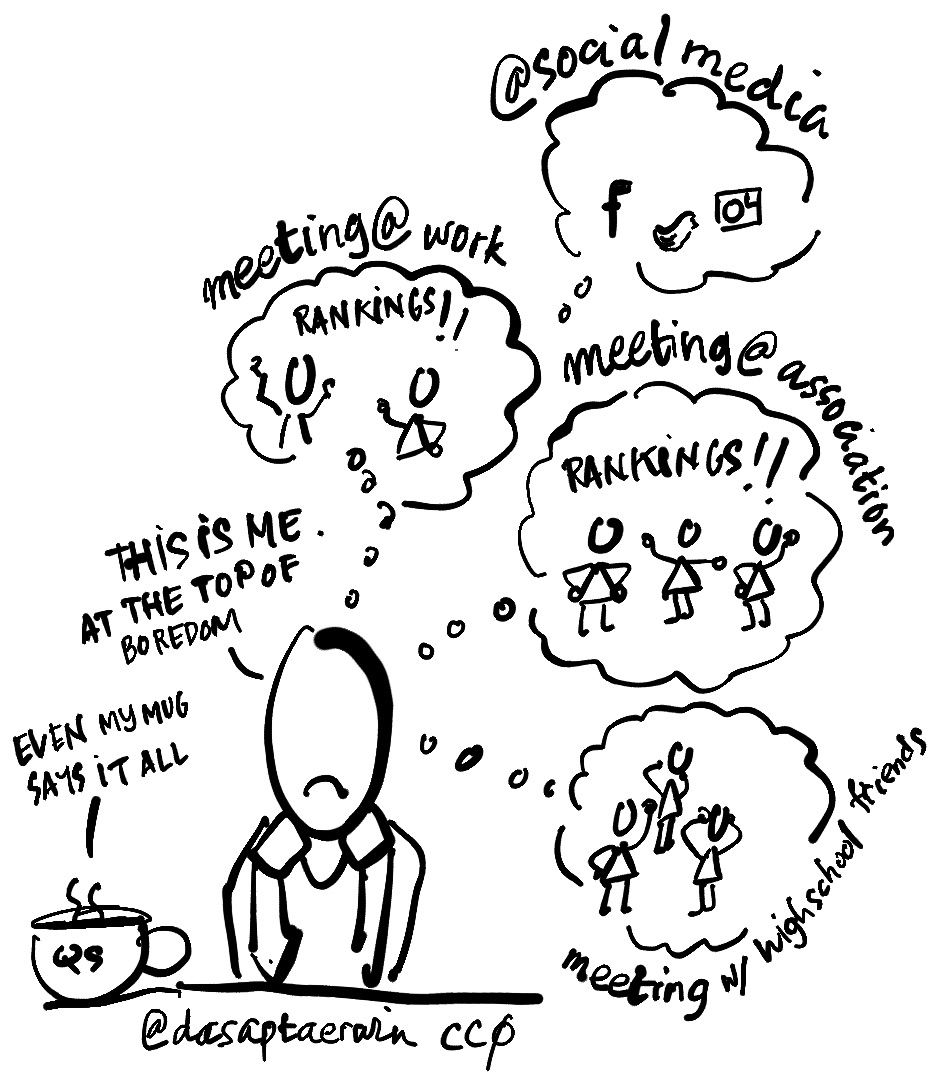
We live in an era defined by the paradox of constant connectivity and profound stagnation. Despite having the entirety of human knowledge and entertainment available at our fingertips, reports of chronic boredom are at an all-time high. This is not merely a personal annoyance; it is a significant societal challenge. When individuals lack meaningful engagement, they default to passive consumption—scrolling through feeds, binge-watching content, or seeking low-effort dopamine hits. This cycle erodes creativity, mental health, and communal cohesion.
To combat this, we must shift our perspective on “boredom.” Instead of viewing it as a state to be medicated with consumption, we must treat it as a signal—a call to action for high-engagement, non-consumptive pursuits. By reclaiming our time through active participation rather than passive observation, we can transform the void of boredom into a landscape of productivity and personal growth.
Key Concepts
To understand the boredom crisis, we must distinguish between passive consumption and non-consumptive engagement. Consumption involves the intake of external stimuli—media, products, or information—where the individual is a spectator. Non-consumptive engagement, conversely, is an active process where the individual produces, solves, creates, or physically interacts with their environment.
The “Boredom Loop” occurs when the brain craves stimulation but is fed low-quality, high-frequency digital input. Because this input requires no effort, the brain becomes desensitized, making genuine engagement feel increasingly difficult. Breaking this loop requires shifting from input-heavy activities to output-heavy ones. The goal is to reach a state of “flow”—a psychological state where one is fully immersed in an activity, losing track of time, and finding the process inherently rewarding.
Step-by-Step Guide
Transitioning from a consumer mindset to an active one requires intentionality. Follow these steps to replace passive boredom with high-engagement activity:
Audit Your “Empty” Time: For three days, track when you feel bored. Note what you usually do to fill that time. Identify the “default” passive activity (e.g., checking social media).
Curate a “High-Engagement” Menu: Create a physical list of activities that require active participation. These should be tasks you find challenging but rewarding. Examples include learning a physical skill, complex problem-solving, or creative production.
Lower the Barrier to Entry: The reason we default to screens is accessibility. Prepare your environment for your chosen activity in advance. If you want to paint, keep the canvas and brushes out. If you want to read, keep the book on your pillow.
Implement the “10-Minute Rule”: When the urge to consume hits, commit to 10 minutes of your chosen active task. Often, the mental friction is highest at the start; once you break the seal, the desire to consume usually dissipates.
Evaluate the Aftermath: After 30 minutes, compare how you feel. Passive consumption usually leaves us feeling drained; active engagement typically leaves us feeling energized and accomplished.
Examples or Case Studies
Consider the difference between two individuals facing a Saturday afternoon with no plans.
The Consumer: Sarah spends four hours scrolling through short-form video apps. She feels “rested” but finds herself irritable and unable to focus when she tries to start a project later. Her time was consumed by an algorithm designed to keep her passive.
The Active Participant: Mark decides to use his afternoon to master a new cooking technique or repair a broken piece of household furniture. Even if the task is frustrating at times, the process of physical manipulation and problem-solving triggers a release of neurochemicals associated with mastery and competence. By the end of the day, Mark has a tangible result and a sense of ownership over his time.
True engagement is not found in the ease of the activity, but in the deliberate application of your own agency.
Common Mistakes
The Productivity Trap: Many people try to replace boredom with “hustle culture” tasks that feel like work. If your hobby feels like a chore, you will eventually return to passive consumption. Ensure your activities are inherently enjoyable.
Over-Stimulation: Trying to engage in high-effort tasks while listening to podcasts or background noise defeats the purpose. True engagement requires singular focus.
Lack of Preparation: Relying on willpower to start a complex task when you are already bored is a losing battle. You must design your environment so that the active choice is the easiest choice.
Ignoring the “Boredom Signal”: Viewing boredom as something to be “fixed” immediately prevents you from understanding what you are actually craving. Sometimes, the best response to boredom is rest—but true, unplugged rest, not digital distraction.
Advanced Tips
To truly master your relationship with boredom, consider these advanced strategies:
Develop “Deep Work” Rituals: Cal Newport’s concept of deep work applies perfectly here. Set aside blocks of time where you are unreachable. Use these blocks for activities that require intense cognitive load, such as writing, coding, or strategy planning. The scarcity of your time makes the output more valuable.
Embrace “Productive Discomfort”: Growth happens at the edge of your abilities. If you are not slightly frustrated, you are likely not engaged enough. Seek out activities that challenge your current skill set. Whether it is learning a language or woodworking, the discomfort of the “learning curve” is the primary indicator of high-engagement activity.
Social Synchronicity: Boredom often stems from isolation. Shift your engagement to communal activities—join a club, participate in a community project, or engage in collaborative creation. Human connection is one of the highest forms of non-consumptive activity.
Conclusion
The boredom crisis is a symptom of a society that has optimized for comfort rather than fulfillment. By choosing to engage in non-consumptive activities, we move from being the targets of an economy designed to steal our attention to being the architects of our own experience.
Start small. Replace one hour of passive scrolling with one hour of active creation, learning, or physical movement. Over time, you will find that the “void” of boredom is not a problem to be solved, but a canvas upon which you can build a more intentional, capable, and satisfied life. The choice to engage is yours—every time you pick up your phone, you are making a decision about who you want to be.








One thought on “The Boredom Crisis: How to Swap Passive Habits for Deep Work”