Introduction: The erosion of the “inner sanctum” in the age of constant digital presence.
Key Concepts: Defining solitude vs. loneliness and the cognitive cost of hyper-connectivity.
Step-by-Step Guide: A protocol for reclaiming solitude in a tethered world.
Examples/Case Studies: How creative professionals and thinkers preserve cognitive space.
Common Mistakes: The “digital detox” trap and the phantom vibration syndrome.
Advanced Tips: Philosophical framing and the practice of “productive boredom.”
Conclusion: Reclaiming the self as an act of resistance.
The Architecture of Silence: Reclaiming Profound Solitude in a Hyper-Connected World
Introduction
We live in an era where the boundary between the self and the collective has effectively vanished. With the ubiquity of smartphones and the relentless pull of social media algorithms, the individual is rarely ever truly alone. We carry the opinions, demands, and crises of a global society in our pockets, accessible with a single tap. While this hyper-connectivity offers unprecedented access to information and community, it has exacted a steep price: the erosion of profound solitude.
Solitude is not merely the absence of other people; it is a vital psychological state characterized by autonomy, self-reflection, and the ability to process complex internal experiences. When we are constantly tethered to a digital stream, we lose the capacity to retreat into our own minds. This loss impacts our creativity, our emotional regulation, and our ability to cultivate a distinct sense of self. To reclaim our mental health, we must learn to re-engineer our relationship with technology and rediscover the productive power of silence.
Key Concepts
To understand the impact of hyper-connectivity, we must first distinguish between loneliness and solitude. Loneliness is a state of deprivation—a painful feeling of being disconnected from others. Solitude, by contrast, is a state of enrichment. It is a deliberate choice to be alone with one’s thoughts, free from the external feedback loops of digital validation.
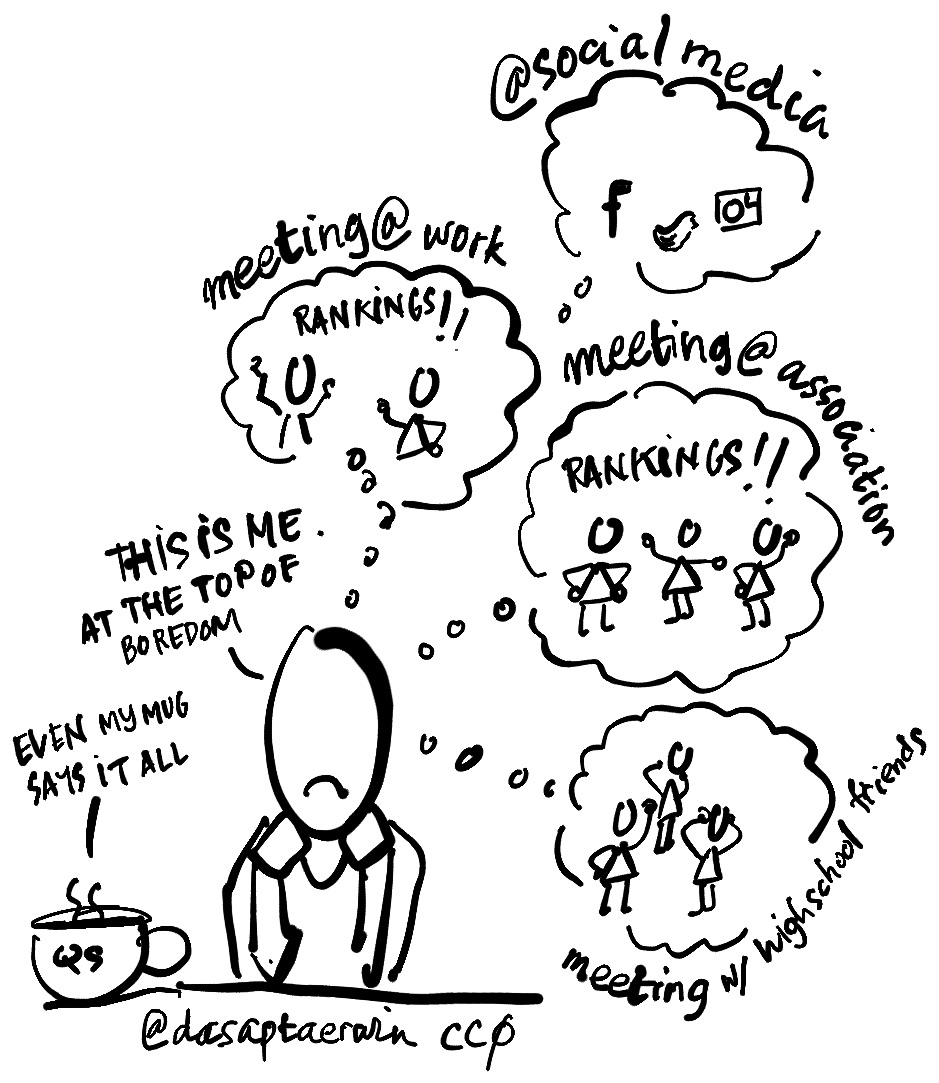
Hyper-connectivity creates what psychologists call “continuous partial attention.” In this state, we are constantly scanning our environment for digital cues—an email notification, a breaking news alert, or a social media engagement. This constant state of low-level alertness keeps the nervous system in a heightened state of arousal, preventing the brain from entering the “Default Mode Network” (DMN). The DMN is the brain’s resting state, which is crucial for autobiographical memory, future planning, and deep creative insight. By staying hyper-connected, we effectively starve our brains of the downtime necessary for high-level synthesis.
Step-by-Step Guide
Reclaiming solitude is not an act of luddism, but an act of digital hygiene. Follow these steps to reintegrate space into your daily life:
Audit the “Background Noise”: Identify the digital triggers that break your flow. For three days, log how many times you reflexively reach for your phone when you are bored or waiting. Awareness is the first step toward breaking the reflex.
Establish “Tether-Free” Zones: Designate specific areas in your home (such as the dining table or the bedroom) where devices are strictly prohibited. These spaces should be sanctuaries for reading, eating, or quiet conversation.
The Morning “Analog Buffer”: Never check your phone within the first 30 minutes of waking. By allowing your mind to transition from sleep to wakefulness without the intrusion of external agendas, you maintain ownership over your cognitive energy for the rest of the day.
Schedule “Strategic Solitude”: Treat solitude as a non-negotiable appointment. Block out 20 to 30 minutes on your calendar for a walk without a podcast, or time in a park without your phone. This is not “free time”—it is essential cognitive maintenance.
Practice Single-Tasking: Hyper-connectivity encourages task-switching, which fragments focus. Dedicate blocks of time to singular activities. When you are eating, just eat. When you are walking, just walk. By removing the digital layer from physical tasks, you cultivate presence.
Examples or Case Studies
Many of history’s most prolific thinkers practiced “enforced solitude.” Consider the case of the late physicist Albert Einstein, who frequently took long, solo sailing trips. During these trips, he would famously leave his work behind, focusing entirely on the rhythmic motion of the water. He later noted that his most profound insights—the ones that eventually revolutionized our understanding of the universe—often surfaced during these periods of mental vacancy, not while he was actively problem-solving.
In a modern professional context, successful entrepreneurs have begun implementing “monk mode” weeks. For example, a software architect might block out two days a week where all internal and external communication tools (Slack, email, phone) are completely disabled. During these windows, their productivity does not just increase; the quality of their problem-solving improves, as they are no longer reacting to the intermittent demands of their team. They are operating from a place of deep strategy rather than reflexive response.
Common Mistakes
The “Digital Detox” Fallacy: Many people attempt to fix the problem by going “off the grid” for a weekend, only to return to their habits on Monday. This creates a binge-and-purge cycle that does nothing to change underlying habits. Consistency in small doses is more effective than intermittent, radical disconnection.
Confusing Distraction for Solitude: Watching a movie or playing a video game alone is not solitude. These activities are high-stimulation and keep the brain in a state of consumption. True solitude requires the absence of external input, forcing you to generate your own mental content.
Fear of the “Internal Void”: Often, people reach for their phones because they are uncomfortable with their own thoughts. If you find silence unbearable, you have likely become addicted to the distraction. This is a signal that solitude is not just a preference; it is a necessity for your emotional maturity.
Advanced Tips
To deepen your practice, consider the concept of “productive boredom.” In our current climate, we are conditioned to view boredom as an ailment to be cured with an app. Reframing boredom as a fertile state is key. When you feel that familiar itch to scroll, wait. Observe the urge, acknowledge the discomfort, and choose to remain in the present. This practice strengthens your “attention muscle,” allowing you to sustain focus on long-form projects, complex reading, or deep introspection.
“The capacity to be alone is the capacity to love. It may look paradoxical to you, but it’s not. It is an existential truth: only those people who are capable of being alone are capable of love, of sharing, of going into the deepest core of the other person—without possessing the other, without becoming dependent on the other.” — A classic psychological perspective on the necessity of self-completion.
Additionally, use writing as a tool for solitude. When you are alone, write down your thoughts without the intention of publishing them. This forces you to organize your internal monologue into coherent language, which solidifies your sense of self and prevents you from being easily swayed by the shifting tides of online discourse.
Conclusion
Hyper-connectivity is a tool, not a lifestyle. When we allow it to dominate our attention, we lose the ability to inhabit our own lives. Profound solitude is the quiet bedrock upon which self-awareness, creativity, and long-term emotional stability are built. By setting boundaries, eliminating digital reflex, and embracing the discomfort of the silent moment, you are not retreating from the world—you are equipping yourself to engage with it more authentically.
Start today. Put the device in another room for thirty minutes. Engage in nothing but your own curiosity. The silence may feel strange at first, but within that silence lies the only true path to finding yourself.