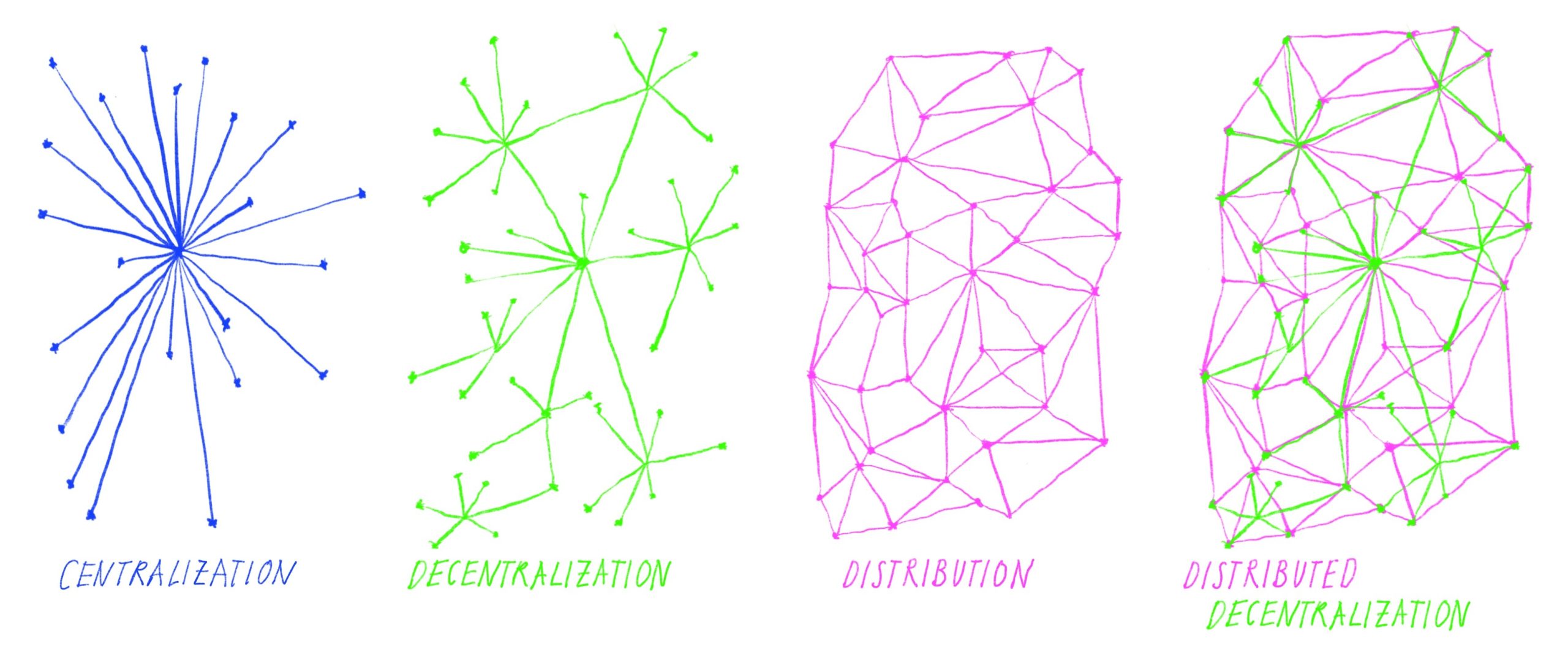
In an era obsessed with the ‘everything app’ and the monolithic suite, we’ve been told that lock-in is a sign of customer loyalty. The reality is far more clinical: lock-in is the precursor to obsolescence. As the original discourse on ‘unbundling’ suggests, the fragility of the monolith is real, but the true evolution for the modern operator isn’t just about decentralizing teams—it’s about architecting for total stack portability.
Most businesses today are not truly autonomous; they are digital sharecroppers, renting their operational logic from third-party ecosystems. Whether it’s relying on a singular cloud provider’s proprietary AI tools, a monolithic CRM, or a unified communications hub, you are building your kingdom on rented land. If the landlord changes the terms, or if the infrastructure crumbles, your ‘sovereign cell’ disappears overnight.
The Illusion of the All-in-One Advantage
The allure of the ‘all-in-one’ software stack is convenience. It promises seamless integration and low overhead. But in high-stakes environments, that convenience is a trap. When your data, your logic, and your communication protocols are fused into a singular vendor’s ecosystem, you lose your optionality. You can no longer pivot, not because your team lacks the vision, but because your infrastructure lacks the modularity to support a shift.
The Strategy of Portability
To move beyond the fragility of the ‘everything’ model, the elite operator must adopt a policy of Hardened Interoperability:
Abstract the Business Logic: Stop coding your core value proposition directly into vendor-specific APIs. Build a middleware layer that translates your unique processes, so that the underlying SaaS tools are merely ‘pluggable’ commodities rather than core assets.
Data Sovereignty is Non-Negotiable: If you cannot export your data in a raw, usable format and re-import it into a competitor’s system within a weekend, you don’t own your business—the vendor does. True sovereignty means you can ‘lift and shift’ your operational brain at will.
The 72-Hour Swap Rule: Every mission-critical tool in your stack should be replaceable within 72 hours. This doesn’t mean you change tools often, but it means you architect your stack so that you could. This mindset forces you to avoid proprietary ecosystems that make departure impossible.
The Competitive Advantage of the ‘Portable’ Operator
While the monolith is busy navigating vendor roadmap changes and absorbing price hikes from their core partners, the portable operator is playing a different game. They treat software not as a permanent environment, but as a temporary, disposable utility. This allows them to swap out a lagging CRM for a superior emerging competitor, or migrate from a bloated cloud suite to a leaner architecture without breaking their internal culture or operational rhythm.
In the coming years, market volatility will continue to punish the ‘locked-in.’ The next generation of leaders will be defined by their ability to remain uncoupled. Don’t build a monument to your current stack; build a portable engine that can run on any track. The freedom to exit is the ultimate power in a volatile market—don’t trade it away for the false comfort of a bundled suite.
The Ghost in the Code: How Artificial Intelligence Challenges Theological Personhood Introduction For centuries, the definition of “personhood” has rested…
Explore how zero marginal cost and automation are shifting the economy toward a post-scarcity model, rendering traditional currency-based systems less relevant.
Learn how to shift your engagement strategy from a transactional labor mindset to a community contribution model to build resilient, self-sustaining ecosystems.
Learn to identify and manage the 'Agenda Nobody Brought'—the hidden power dynamics and unspoken expectations that dictate the success or failure of your meetings.
Discover how graph-based post-von Neumann computing overcomes the von Neumann bottleneck to optimize urban planning, traffic flow, and energy grid resilience.
In the previous discussion regarding ‘The Algorithmic Blueprint,’ we established that our current political institutions are plagued by legacy code—an…