
Business Psychology
-

The Counter-Intuitive Architect: Mastering Hidden Influencers
Stop viewing yourself as an outsider to your organization. Learn how to master the unseen influencers and hidden hierarchies within your own business system.
-

The Shadow Ledger: How Hidden Assumptions Sabotage Strategy
Every strategy has a silent partner. Discover how to uncover the hidden assumptions that are sabotaging your organizational intent.
-

Shadow Archetypes: Why Your Strategic Blind Spots Cost Millions
Archetypal intelligence can bridge the gap between vision and execution. Uncover the hidden blind spots that sabotage your most critical strategic initiatives.
-

The Shadow Ledger: Why Power Requires Cognitive Sovereignty
Mastery of influence is useless without internal control. Discover why cognitive sovereignty is the ultimate requirement for modern high-stakes leadership.
-

The Alchemy of Resistance: Managing Your Most Dangerous Hires
High-energy, disruptive employees are often your greatest assets. Stop pathologizing resistance and learn to channel it into competitive advantage.
-

The Silent Siege: Why Emotional Intelligence Is a Liability
Modern leadership often overvalues empathy at the expense of strategy. Explore why emotional intelligence can become a strategic liability in high-stakes environments.
-

Synthetic Empathy: The Sovereign Leader’s Secret Weapon
The Androphage archetype is powerful for expansion but limited. Learn how sovereign leaders use synthetic empathy to leverage talent and maintain hierarchy.
-
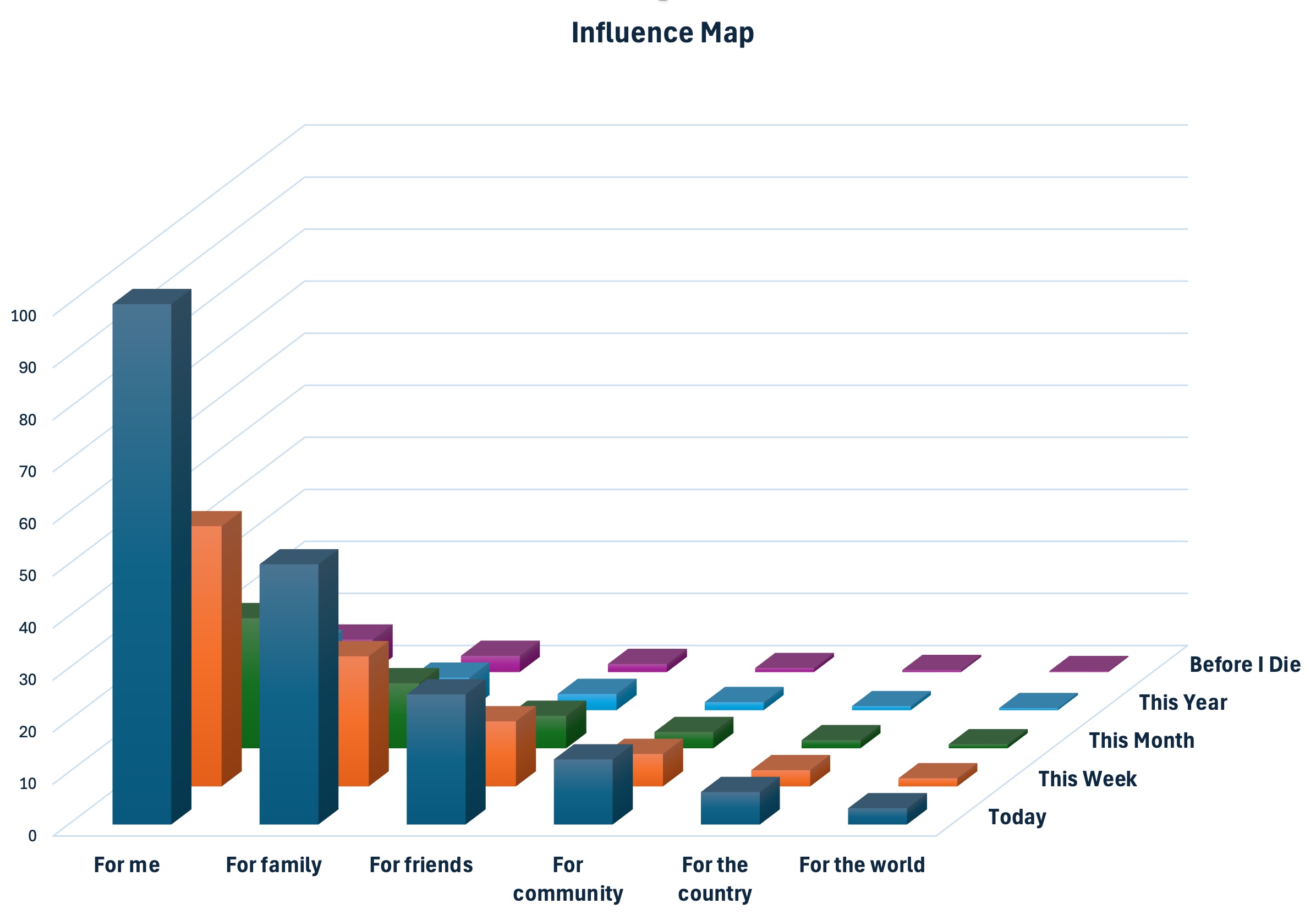
Beyond Influence: The Architecture of Archetypal Resistance
Influence is not a one-way street. Learn how to master symbolic frameworks to build true archetypal resistance and authority.
-

The Alchemy of Institutional Decay: Dark Governance Protocols
Managing hidden, non-linear variables is essential for high-growth firms, but ignoring the dark side of governance invites institutional decay.
-

The Counter-Ritual: Why Your Business Systems Are Becoming Cults
Business is an interplay of volatile forces, but beware the transition from strategic alignment to dangerous organizational dogma.