The End of Remote Control: Why Tactile Robotics Demands Executive Attention
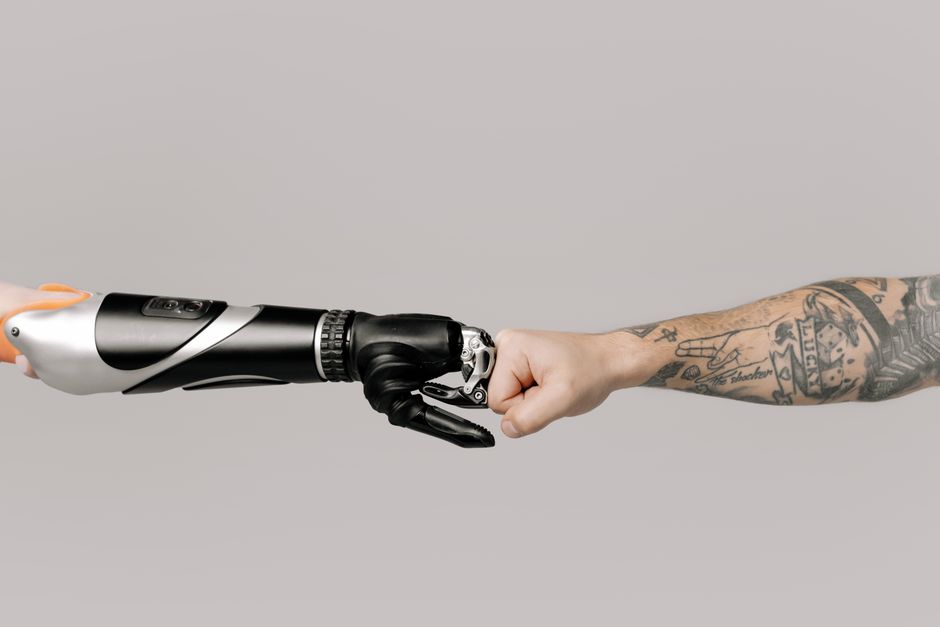
For decades, automation relied on the “black box” model: input data, process via algorithm, execute via rigid mechanical arm. This approach worked for repetitive tasks in controlled environments. It fails entirely when the environment becomes unpredictable. Tactile-interface robotics represents the shift from mere automation to sophisticated machine intelligence, moving beyond visual processing to the nuances of touch, pressure, and material resistance.
For leaders, this is not just an engineering upgrade. It is a fundamental shift in operational excellence. When robots can “feel” the objects they manipulate, the error rates associated with manual handling plummet, and the range of automatable tasks expands exponentially. Ignoring this transition is a strategic blind spot that competitors will inevitably exploit.
The Physics of Decision-Making in Hardware
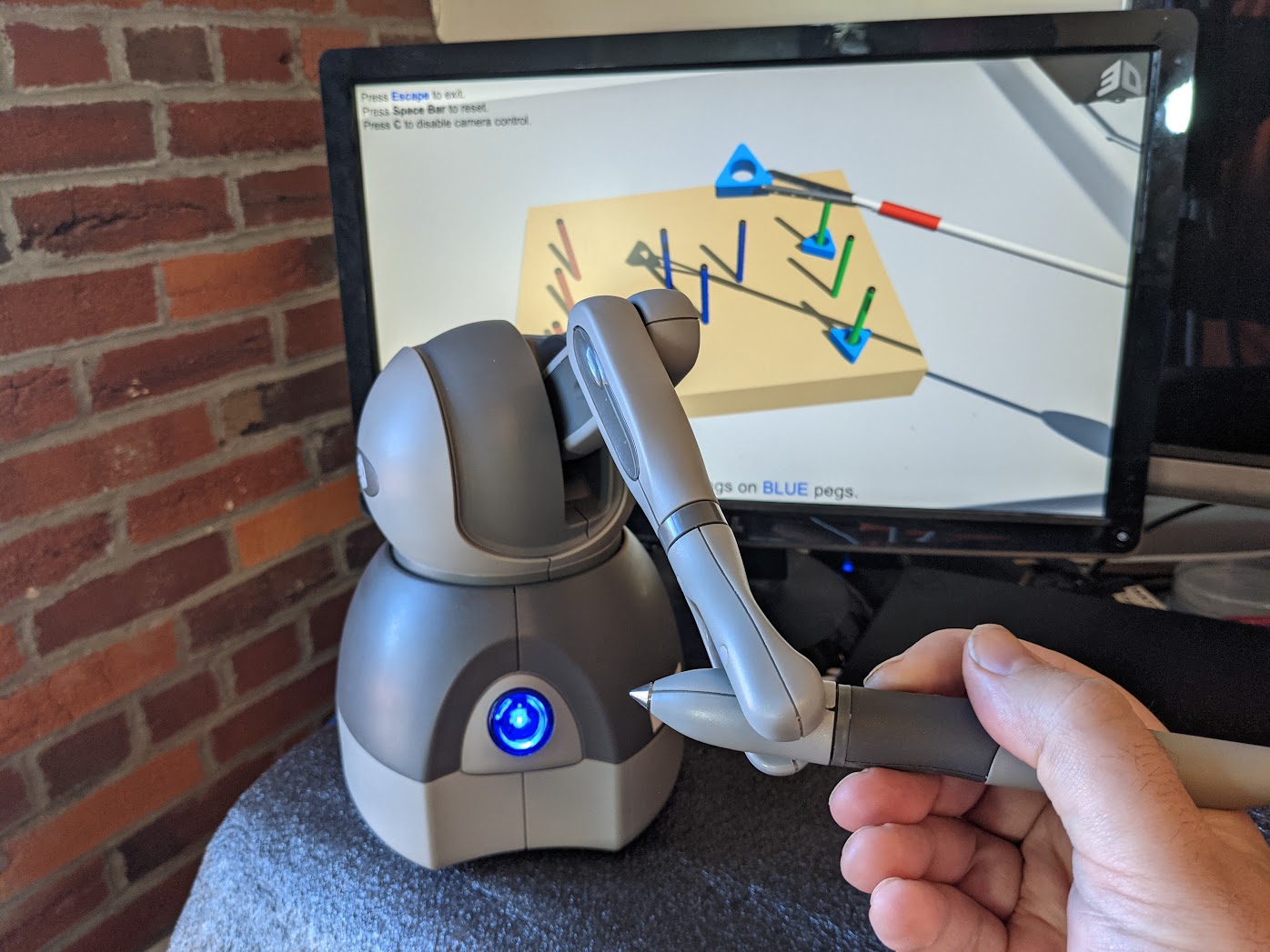
Traditional industrial robots operate on pre-programmed coordinates. If a part is misaligned by a millimeter, the robot either crashes or completes a flawed cycle. Tactile-interface robotics introduces a feedback loop that mimics human proprioception. By integrating sensor arrays that measure force, torque, and slip, these systems make micro-decisions in milliseconds.
This is the physical manifestation of decision-making at the edge. By decentralizing the cognitive load—moving the “thinking” from a central server to the sensor-rich end effector—organizations reduce latency. High-performance teams rely on clear, fast data; tactile robotics applies this principle to the factory floor. The result is a system that adapts to variance rather than breaking under it.
Strategy Over Speed: The Economic Case for Sensitivity
Many firms chase speed, only to be hampered by the downstream costs of quality control and rework. Tactile interfaces prioritize precision and material integrity over raw throughput. This is a classic example of strategy over raw output. When a robot can handle delicate components—electronics, biological samples, or complex textiles—without human intervention, the organization realizes a new form of capital efficiency.
Consider the implications for supply chain resilience. Tactile robotics allows for “lights-out” assembly of complex goods that previously required human dexterity. This shifts the economic calculus of reshoring. By minimizing the reliance on human-centric tactile tasks, companies can bring production closer to the point of consumption, effectively hedging against global logistics volatility.
Integration: The Leadership Challenge
Deploying advanced robotics is rarely a technology failure; it is a management failure. Leaders often underestimate the cultural and structural integration required to move from rigid to adaptive systems. Success requires a shift in execution philosophy. You are no longer managing a static line; you are managing a living, learning system that requires constant calibration of its feedback parameters.
Data Governance: Tactile sensors generate massive, unstructured datasets. Leaders must establish clear protocols for how this data informs iterative process improvements.
Skill Migration: As robots take over sensory-heavy tasks, the human workforce must transition toward system supervision, anomaly investigation, and high-level optimization.
Risk Management: Adaptive systems introduce new failure modes. Leadership must define the thresholds for machine autonomy versus human intervention.
The goal is not to replace human judgment but to augment it with machine sensitivity. When robots possess the “sense of touch,” they become tools for high-performance thinking, allowing human talent to focus on architecture, design, and complex problem-solving rather than rote material handling.