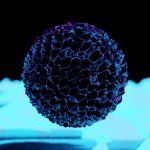
The boundary between biological systems and digital infrastructure is no longer a theoretical horizon; it is an active operational frontier. We have moved past the era where technology merely observes biology. We are now entering a phase where the two are indistinguishable, merging into a single, high-stakes ecosystem of data, intelligence, and physical matter. For the modern leader, this is not just a scientific curiosity—it is the next great shift in strategy and resource management.
The Erosion of the Biological-Digital Divide
Bio-digital convergence describes the integration of digital technology with biological systems. This is not limited to wearables or basic health tracking. It encompasses the digitization of genetic data, the use of AI to accelerate synthetic biology, and the development of brain-computer interfaces. When biological code—DNA—becomes programmable via digital algorithms, the fundamental units of life effectively become software.
This shift forces a radical rethink of operational excellence. If a company’s product pipeline relies on biological inputs, the supply chain is no longer just about logistics; it is about data integrity and computational power. Leaders who fail to integrate these domains will find themselves managing legacy systems in a world that has moved to autonomous, bio-integrated platforms.
Data as the New Biological Currency
The most immediate implication of this convergence is the commoditization of biological data. AI models require massive, high-fidelity datasets to provide meaningful insights. Biological systems are the most complex datasets in existence. Organizations that can effectively capture, store, and analyze this data gain a significant edge in decision-making.
Consider the pharmaceutical and agricultural sectors. The traditional R&D model—characterized by trial and error—is being replaced by digital simulations of biological processes. By modeling how proteins fold or how cells react to specific stimuli, companies compress years of laboratory research into weeks of computational time. This is not just a faster way of working; it is a fundamental transformation of execution.
High-Performance Thinking in a Converged Landscape
When biology and digital systems merge, the speed of iteration increases exponentially. Leaders must adapt their high-performance thinking to account for this non-linear growth. In a traditional firm, growth is often linear. In a bio-digital firm, growth follows the laws of exponential technological advancement.
This requires a shift in how you view leadership. You are no longer just managing human capital; you are managing the interface between human capacity and machine-augmented performance. This means:
- Prioritizing Data Architecture: Your biological data is only as good as your digital architecture. If your systems cannot ingest and process complex multi-omics data, your biological assets remain trapped.
- Ethical Resilience: As the lines blur, the burden of governance increases. Managing the ethical risks of bio-digital convergence is a core component of long-term risk mitigation.
- Cross-Disciplinary Literacy: You do not need to be a molecular biologist, but you must understand the language of the systems you are deploying. Strategic blind spots in this area are fatal.
The Operational Reality of Synthetic Biology
Synthetic biology, the design and construction of new biological parts and systems, is the engine of this convergence. By treating biology as an engineering discipline, we can create materials that grow, self-repair, or adapt to environmental changes. This fundamentally alters the cost structure of manufacturing. Instead of energy-intensive processes, we look toward bio-fabrication.
For the executive, this means re-evaluating the physical asset base. If you can grow a material with specific properties rather than sourcing it through a traditional supply chain, your entire strategy for scaling changes. This is the definition of a high-performance pivot: moving from extraction-based models to growth-based models.
The Future of Decision-Making
As AI continues to refine our ability to predict biological outcomes, the role of human intuition in high-stakes decisions will change. We will increasingly rely on augmented intelligence to navigate scenarios that were previously too complex for human cognition. The winners in this new environment will be those who balance machine-generated precision with the human ability to frame the right problems.
Bio-digital convergence is not a future trend; it is the current environment. Treat your biological data as a critical asset, invest in the computational infrastructure to process it, and ensure your leadership team possesses the cross-disciplinary fluency to oversee the merger of these two worlds.