The assumption that climate change is a linear, predictable progression is a failure of decision-making. We are no longer dealing with gradual warming; we are witnessing man-made climate acceleration. This is a non-linear shift in the global operating environment that renders traditional risk assessment models obsolete. For organizations, this is not merely an environmental concern—it is a fundamental challenge to operational continuity and long-term strategy.
When the environment becomes volatile, the cost of inaction compounds exponentially. Leaders who view climate acceleration as a peripheral issue rather than a core systemic risk are ignoring the physics of their own market stability. Understanding the velocity of these changes is the first step toward building the high-performance thinking required to survive the next decade of disruption.
Infrastructure Resilience and Operational Fragility
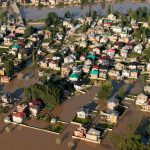
Most corporate infrastructure was designed for the climate of the 20th century. Today, that design philosophy is a liability. Man-made acceleration manifests in localized extremes—heatwaves that buckle transit systems, flooding that severs supply chains, and power grid instability that halts production.
Operational excellence now requires a radical audit of physical assets. If your logistics chain relies on historical weather patterns, you are operating on a broken premise.
Geographic Redundancy: Move from “just-in-time” to “just-in-case” for critical nodes.
Resource Hardening: Invest in energy autonomy and water security for manufacturing hubs.
Predictive Maintenance: Use advanced analytics to anticipate failures caused by extreme environmental stress before they result in catastrophic downtime.
This is not about being “green”; it is about protecting the execution of your business model against an increasingly hostile physical reality.
The Data Blind Spot
The primary barrier to effective action is not a lack of data, but a failure of synthesis. Organizations are drowning in climate metrics that do not translate into actionable intelligence. To lead effectively, you must bridge the gap between abstract climate science and your specific P&L.
Modern AI models provide the capacity to simulate climate impacts on micro-regional levels. By inputting granular operational data against climate acceleration variables, leaders can stress-test their portfolios against scenarios that were previously considered “black swans.” The goal is to move from reactive mitigation to proactive structural adaptation. If you cannot model the impact of a 2-degree shift on your specific supply chain, you are operating in the dark.
Decision-Making Under Deep Uncertainty
The psychological trap of climate acceleration is the tendency to wait for perfect information. In a stable environment, waiting for data is prudent. In an accelerating environment, waiting is a decision to fail. Effective leadership requires the ability to make high-stakes bets when the variables are shifting beneath your feet.
Apply the principle of “optionality.” Do not commit all your resources to a single climate-response strategy. Instead, build a portfolio of adaptive capabilities. Invest in modular energy systems, diversify your geographic footprint, and prioritize agility in your human capital. By maintaining flexibility, you transform the threat of acceleration into a competitive advantage. While your competitors are busy trying to predict the exact date of a disruption, you will be building the systems that remain profitable regardless of the outcome.
The Cost of Ignorance
Markets are increasingly pricing in climate risk. Capital allocation is shifting toward companies that demonstrate resilience. Ignoring man-made climate acceleration is no longer a neutral position; it is a signal to investors that your leadership team lacks the foresight to manage long-horizon risks.
True operational excellence demands that you treat the physical environment as a primary stakeholder. If the ground is shifting, you must change how you build. Those who treat climate acceleration as a strategic reality—rather than an inconvenient narrative—will be the ones who define the market landscape of the future.