The Strategic Parallel of Toxic Waste Neutralization
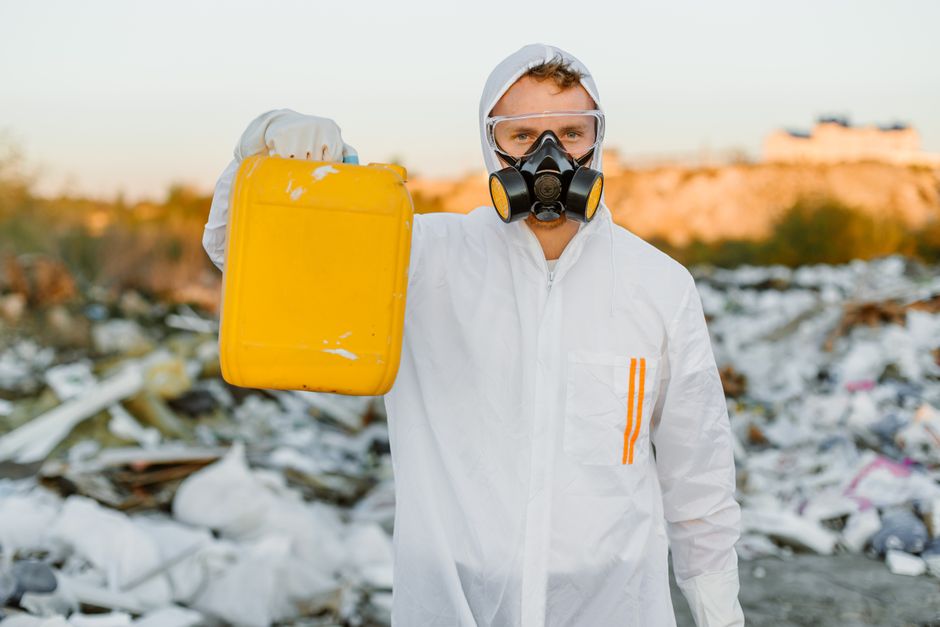
Most leaders view toxic waste neutralization as a technical hurdle—a cost center relegated to environmental compliance departments or specialized engineering firms. This is a strategic oversight. When you examine the mechanics of rendering hazardous material inert, you find a masterclass in risk mitigation, process architecture, and the fundamental decision-making required to prevent systemic failure.
At its core, neutralization is not about hiding the problem. It is about changing the chemical structure of a threat so it no longer possesses the capacity to inflict damage. In an organizational context, toxic elements—whether they are cultural, operational, or strategic—operate under the same laws of physics. If left untreated, they corrode the foundation of your leadership and the integrity of your output.
The Chemistry of Organizational Decontamination
Effective neutralization requires an intimate understanding of the substance you are dealing with. In industrial applications, you cannot apply a generic base to an unknown acid; the reaction could be explosive. Similarly, high-performance organizations must conduct a rigorous audit before attempting to neutralize internal toxicity.
When a team is suffering from toxic behavior, the instinct is often to fire the perceived “problem” person. This is frequently the wrong move. If the toxicity is a result of structural incentives or poor strategy, removing the individual does nothing to neutralize the underlying chemical imbalance. You have merely removed the symptom while the reactive agent remains in the tank.
The Principle of Stoichiometry in Execution
In chemistry, stoichiometry dictates the exact ratio of reagents required to produce a stable result. In execution, this translates to the balance of resources and oversight. Too little intervention leaves the threat active; too much intervention creates a new, equally dangerous byproduct—bureaucratic stagnation. Leaders must calibrate their response to match the concentration of the threat. Precision is the only variable that prevents a contained issue from becoming a catastrophic failure.
Stabilization as a Competitive Advantage
Neutralization is rarely a one-time event. It is a continuous process of monitoring pH levels and managing reactive inputs. Companies that treat operational excellence as a static goal eventually succumb to entropy. Those that treat it as a dynamic neutralization process—constantly identifying and stabilizing negative variables—achieve a form of resilience that competitors cannot replicate.
This is where AI and predictive analytics alter the landscape. We now possess the capability to detect “toxic” trends in data—whether in supply chain vulnerabilities, employee sentiment, or market shifts—long before they reach critical mass. The goal is to shift from reactive neutralization to proactive stabilization. By identifying the precursor elements of failure, you can introduce neutralizing factors before the reaction turns exothermic.
The Cost of Inaction
Ignoring toxic waste is a liability that grows exponentially. In the industrial sense, the regulatory fines and environmental damage are catastrophic. In the boardroom, the cost is measured in talent attrition, brand erosion, and the slow death of innovation. A toxic culture is an acid; it dissolves the trust necessary for high-speed decision-making. Once the trust is gone, the organization enters a state of permanent defensive crouch.
Neutralizing this toxicity requires the courage to acknowledge the presence of the hazard. It demands a standard of operational excellence that refuses to tolerate the “acid” of mediocrity or bad faith. You must define the acceptable parameters of your environment and be willing to intervene when those parameters are breached. Anything less is not management; it is merely waiting for the inevitable spill.