The Thermal Ceiling of High-Performance Infrastructure
\n\n
Compute density is no longer a metric of ambition; it is a hard constraint on operational viability. As organizations push AI models and high-frequency data processing to their physical limits, the air-cooling paradigm is failing. It has hit a thermal ceiling that limits clock speeds, necessitates massive physical footprints, and forces inefficient energy consumption. The shift toward liquid coolant circulation is not merely a technical upgrade; it is a fundamental shift in how leaders must architect their hardware strategy for the next decade of performance.
\n\n
When you cannot move heat efficiently, you cannot execute at the required scale. This is the new bottleneck for operational excellence: if your infrastructure throttles under load, your strategy is effectively stalled by physics.
\n\n
The Mechanics of Superior Thermal Management
\n\n
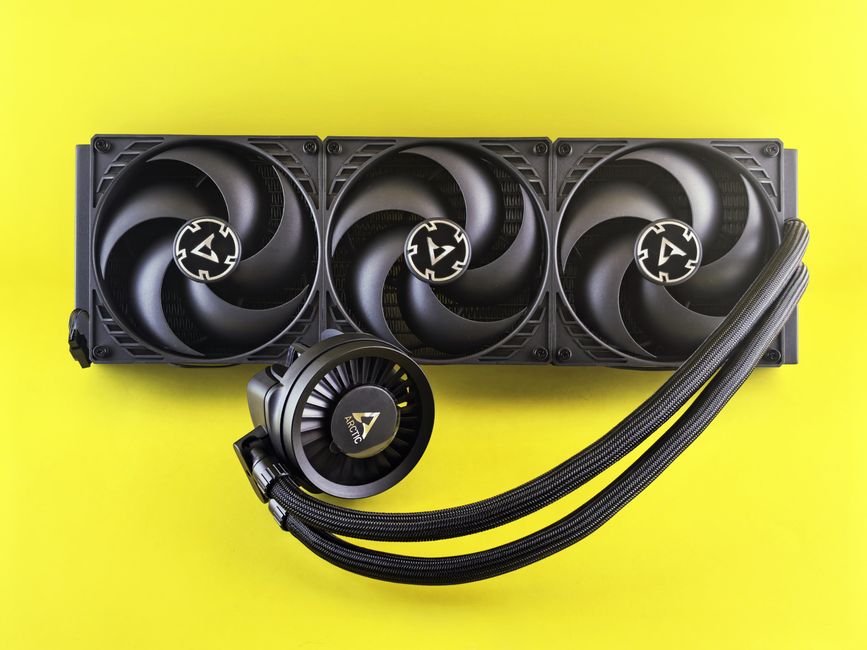
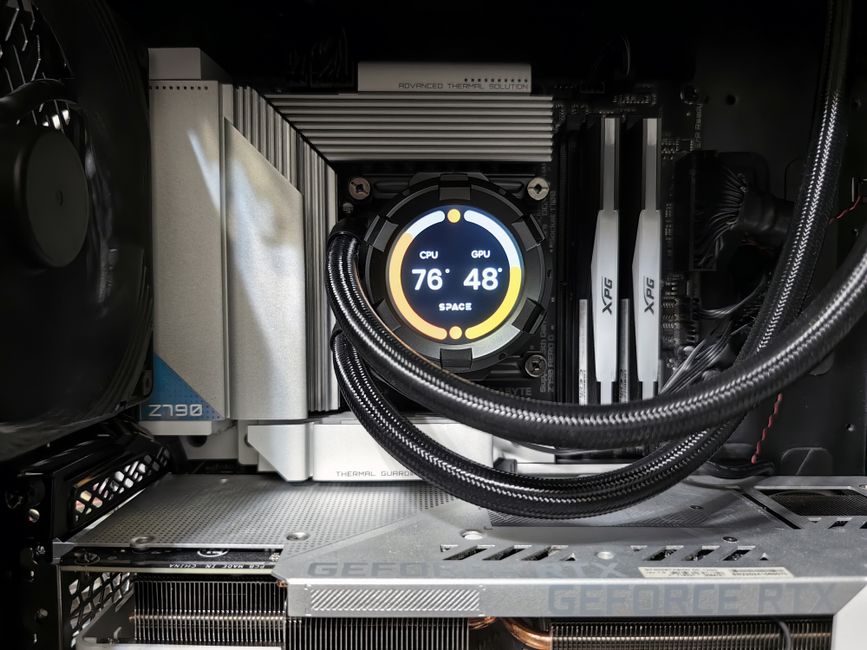
Traditional air cooling relies on the movement of air across heat sinks. It is a blunt instrument that becomes exponentially less effective as power densities rise. Liquid coolant circulation, specifically through direct-to-chip cooling or immersion cooling, changes the variables entirely. Water, or specialized dielectric fluids, possess significantly higher thermal conductivity than air.
\n\n
By moving the heat transfer medium directly to the source of the thermal load, you achieve two things:
\n
\n
Higher Component Density: You can pack more processing power into a smaller rack space without risking catastrophic failure.
\n
Operational Efficiency: Liquid systems allow for higher server inlet temperatures, drastically reducing the energy overhead required for peripheral cooling systems.
\n
\n\n
For the high-performance thinker, this is about removing friction. Every watt spent cooling an environment that could be spent on computation is a tax on your productivity. Moving to liquid cooling is a decision to optimize your resource allocation at the foundational hardware level.
\n\n
Strategic Implications for Infrastructure Planning
\n\n
Adopting liquid cooling is not just an engineering project; it is a capital-intensive strategic pivot. Leaders must assess the long-term total cost of ownership (TCO). While the upfront costs for plumbing, fluid management, and leak detection are higher than traditional HVAC systems, the long-term gains in energy efficiency and compute density shift the decision-making calculus.
\n\n
Consider the constraints of your current facility. If your facility cannot support the weight of liquid-cooled racks or the plumbing required for closed-loop cycles, you are effectively capping your growth. This requires a hard look at your facility roadmap. Are you building for the compute requirements of 2025, or are you still relying on legacy thermal strategies that were designed for the silicon limits of 2015?
\n\n
Execution and Risk Management
\n\n
The transition to liquid cooling introduces new vectors of risk. Plumbing, while reliable, introduces the possibility of leaks—a catastrophic scenario for high-value hardware. Success here relies on rigorous execution and the implementation of redundant monitoring systems.
\n\n
Effective leadership in this space requires moving beyond the \”if it isn’t broken, don’t fix it\” mentality. The thermal limits of air cooling are a silent killer of throughput. By the time your system begins to throttle due to heat, you have already lost the competitive advantage that high-density computing provides. Proactive adoption of liquid circulation is a hedge against the inevitable saturation of air-cooled environments.
\n\n
Establishing the Infrastructure Foundation
\n
To implement liquid cooling successfully, focus on these three pillars:
\n
\n
Modularity: Ensure your cooling loops allow for individual server maintenance without compromising the entire rack.
\n
Predictive Telemetry: Integrate sensors that monitor flow rates and fluid pressure in real-time to prevent failures before they occur.
\n
Scalability: Design your fluid distribution manifolds to support future hardware iterations that will inevitably demand higher thermal transfer rates.
\n
\n\n
In the pursuit of strategy, the most overlooked elements are often the physical constraints of the hardware environment. Liquid coolant circulation is the bridge between the theoretical limits of your algorithms and the physical reality of your data center.