

Human-Centric Design in Religious Software: Preserving Communal Identity in the Digital Sphere
Introduction
For centuries, religious communities have been forged in physical spaces—sanctuaries, fellowship halls, and village squares. Today, the digital revolution has shifted a significant portion of this interaction to software platforms. Whether through prayer apps, livestreamed services, or church management systems, our spiritual lives are increasingly mediated by code. However, a silent crisis is unfolding: when religious software is designed purely for utility or data collection, it often inadvertently strips away the nuance of communal identity, leaving users feeling like isolated data points rather than members of a body.
Human-centric design (HCD) offers a necessary antidote. By prioritizing the lived experience, emotional needs, and relational health of the user over administrative efficiency, developers can build digital environments that strengthen, rather than erode, the bonds of faith communities. This article explores how to bridge the gap between technological functionality and the profound, intangible nature of spiritual connection.
Key Concepts
Human-Centric Design (HCD) in a Religious Context: This is a design philosophy that focuses on the human element of spiritual practice. It recognizes that religious life is not transactional; it is relational and communal. HCD requires moving beyond “how quickly can a user donate?” to “how does this interface facilitate a moment of genuine pastoral care or collective reflection?”
Communal Identity: This refers to the shared narrative, symbols, and mutual obligations that define a religious group. In the digital sphere, communal identity is eroded when software feels generic. If a church’s app looks identical to a retail banking interface, the psychological transition from “consumer” to “believer” is hindered by design friction.
Friction as a Feature: In secular UI/UX, developers seek to remove friction. In religious software, certain types of friction are essential. For example, forcing a moment of silence, manual prayer entry, or community-based approval processes can reinforce the sanctity of an action, preventing it from becoming a “low-effort” task.
Step-by-Step Guide
- Audit Your User Journeys for Spiritual Resonance: Map out every digital path a user takes. If a member signs up for a volunteer shift, does the interface emphasize the role they are filling, or the person they are serving? Ensure every touchpoint uses language and visual cues consistent with the community’s theology and cultural identity.
- Design for Asynchronous Community: Most religious software focuses on broadcast (one-to-many). Shift your architecture toward peer-to-peer connection. Implement features that allow members to see and pray for one another’s specific requests in a way that feels intimate rather than public.
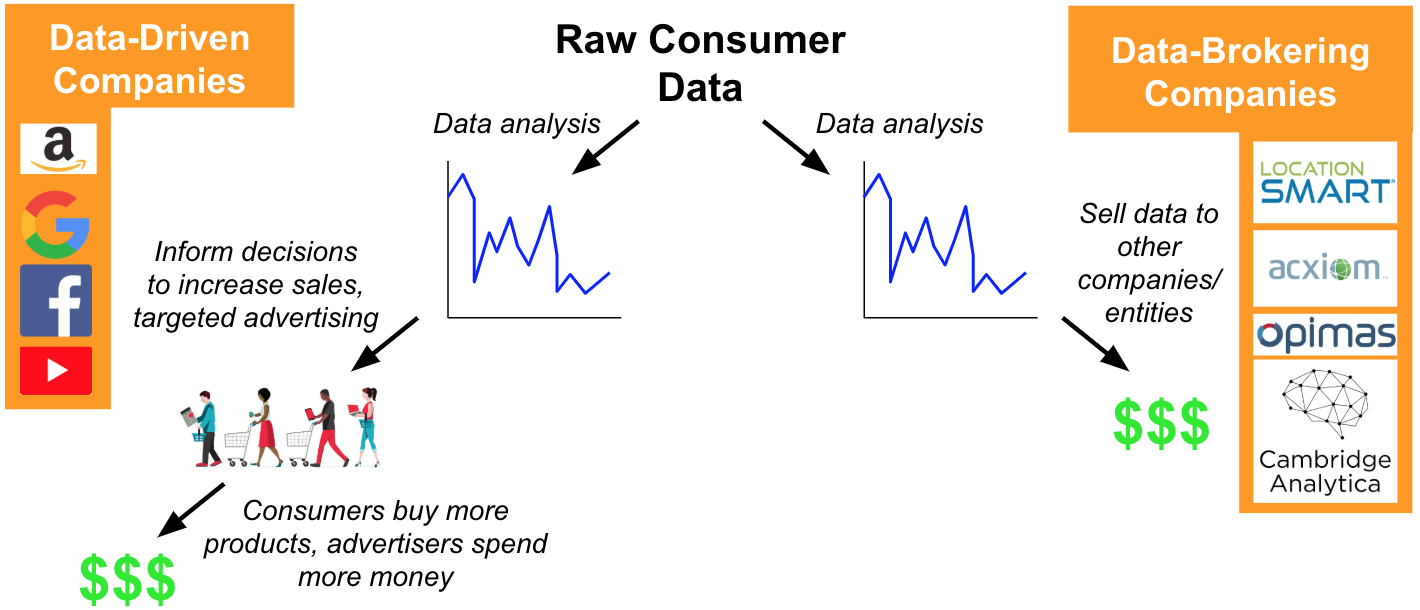
- Prioritize “High-Trust” Data Architecture: Religious data is highly personal. Avoid “Big Tech” patterns that treat user data as a commodity. Be transparent about data usage, ensure absolute privacy for pastoral counseling notes, and give users control over how much of their spiritual journey they want to make public.
- Incorporate Ritualistic UX Elements: Integrate small, non-obtrusive markers of sacred time. This could include seasonal color themes (liturgical calendars), or specific welcome messages that acknowledge the current spiritual season (e.g., Lent, Ramadan, or Advent).
- Optimize for Inclusive Access: Ensure that your software does not alienate elderly members or those with lower digital literacy. Human-centric design dictates that the most marginalized members of the congregation should have the easiest time participating.
Examples and Case Studies
Case Study 1: The “Prayer Wall” Evolution: A mid-sized congregation moved from a generic form-based prayer request system to a social-verified prayer platform. By replacing a “Submit” button with a “I am praying for this” button that triggers a notification to the requester, the software transformed from a data-collection task into a relational experience. The community felt more seen, and individual engagement increased by 40%.
Case Study 2: Liturgical UI Integration: A Catholic meditation app integrated the liturgical calendar into its user interface. Instead of a static home screen, the app shifts its layout, color palette, and audio themes based on the liturgical season. This reinforces the user’s connection to the global church calendar, preventing the software from feeling like a disconnected “self-help” tool.
Common Mistakes
- The “Administrative Lens” Trap: Developers often build software to make the lives of administrators easier (e.g., easier reporting, automated billing) at the expense of the congregant’s spiritual experience. Always lead with the member’s journey, not the organization’s back-office needs.
- Over-Gamification: Avoid using streak counters, badges, or “level-ups” for spiritual activities like prayer or scripture reading. Gamification incentivizes the act of clicking, which can cheapen the spiritual intent, leading to superficial engagement.
- Ignoring the “High-Context” Requirement: Religious communities are high-context environments—they rely on deep, shared knowledge. Software that assumes a “blank slate” user misses the mark. Ensure your design reflects the specific theological language and traditions of the group.
- Data Bloat: Collecting too much data can create a “surveillance culture.” Only collect what is strictly necessary to foster connection. If you don’t need a user’s physical address, don’t ask for it.
Advanced Tips
Implement “Intentional Pauses”: Introduce micro-interactions that slow the user down. If a user is navigating to a sensitive section of the app, such as a portal for mental health support or confession, introduce a screen with a brief, contemplative quote or breathing exercise. This creates a psychological “threshold” that mimics entering a sacred space.
Co-Creation as Design Strategy: Do not design in a vacuum. Form a “design council” within the community consisting of clergy, lay leaders, and members of various age groups. Have them test prototypes early. If the design does not “feel” like the community, it will fail to gain adoption regardless of its technical brilliance.
Focus on “Presence” over “Utility”: The goal of religious software should not be to make a task “fast.” It should be to make a connection “possible.” Experiment with features that allow for ambient community—small, low-pressure notifications that let members know others are also participating in a daily devotion or reflection.
Conclusion
The erosion of communal identity in the digital sphere is not an inevitable side effect of technology; it is a design choice. When we treat religious software as mere utility, we prune the branches of the community that rely on deep, non-transactional connection. By adopting a human-centric approach, we can build digital spaces that respect the complexity of faith, honor the sanctity of rituals, and foster genuine relationships.
The future of religious technology lies in its ability to fade into the background, becoming a bridge rather than a barrier. As you evaluate your current tools, ask yourself: Does this software help our members feel known, or does it simply help them feel managed? By choosing the former, you ensure that the digital sphere remains a place of spiritual growth rather than a source of communal decay.



Leave a Reply