

Outline
- Introduction: The rise of “spiritual technology” and the ethical frontier of inner-life data.
- Key Concepts: Defining spiritual data (meditation patterns, biometric emotional markers, confession-based logs).
- The Risk of Commodification: How data-driven surveillance erodes the sanctity of personal transformation.
- Step-by-Step Guide: Strategies for maintaining sovereignty over your spiritual journey.
- Real-World Applications: Assessing current digital wellness tools and the “Data Privacy Audit.”
- Common Mistakes: The trap of convenience and the “free platform” paradox.
- Advanced Tips: Moving toward offline practices and decentralizing your personal spiritual archive.
- Conclusion: Reclaiming the interior life as a private sanctuary.
The Sovereign Soul: Guarding Spiritual Data Against Institutional Commodification
Introduction
For centuries, the interior life was considered the final frontier of human privacy. Your thoughts, your prayers, your meditations, and your deepest existential anxieties were yours alone—or shared only within the sacred confidentiality of a mentor or a community. Today, that boundary is dissolving. We have entered the era of the “Quantified Soul,” where mindfulness apps, wearable bio-trackers, and AI-driven spiritual journals collect granular data on our mental and emotional states.
While these tools offer convenience and measurable progress, they carry a hidden cost: the commodification of your spiritual data. When your moments of transcendence are converted into data points, they become assets for institutional interests, ranging from corporate marketing departments to behavioral modification algorithms. Protecting the sanctity of your inner journey is no longer just a philosophical preference—it is a modern necessity for psychological and spiritual autonomy.
Key Concepts
To guard against commodification, we must first define what constitutes “spiritual data.” It is not merely your search history or your location; it is the data generated through intentional introspection and emotional regulation.
Spiritual data points include:
- Biometric baseline shifts: Changes in heart rate variability (HRV) or galvanic skin response during prayer or meditation, often tracked by wellness wearables.
- Emotional metadata: Tags you apply to your moods within journaling apps, which reveal your triggers, struggles, and values.
- Habitual timing: The precise moments you choose to engage in contemplation, which companies can use to predict your vulnerability to advertising.
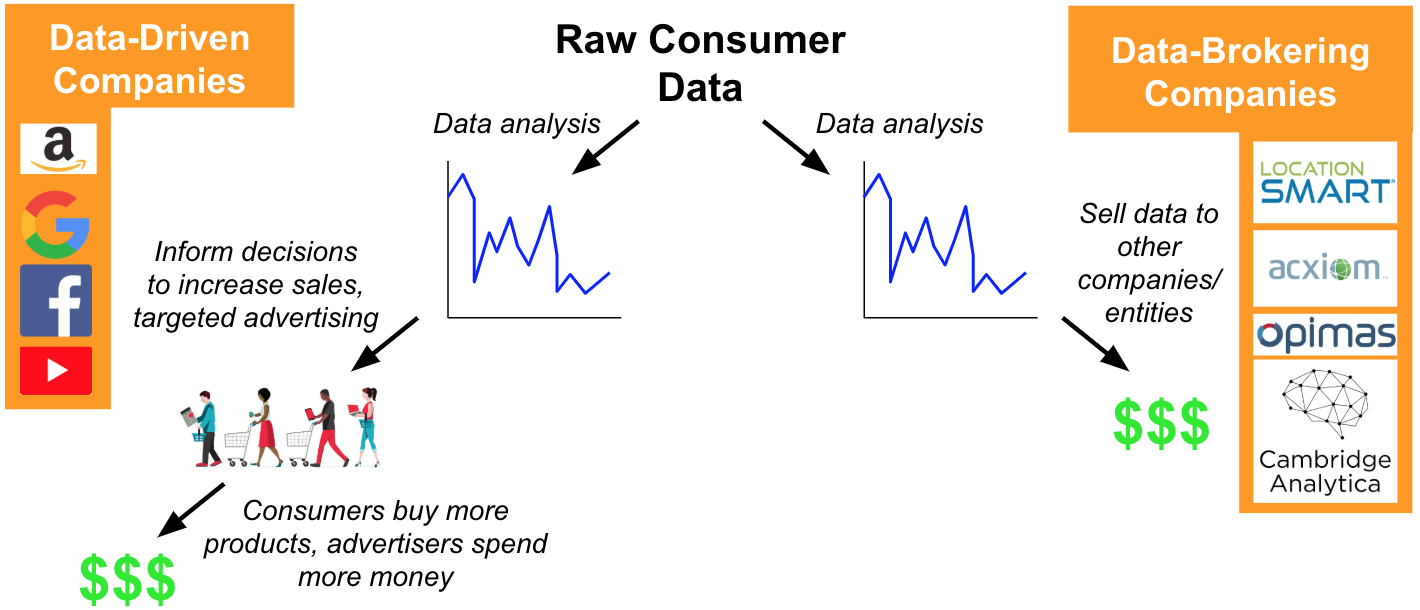
The danger is not just that this data exists, but that it is being fed into predictive models. When a corporation understands your spiritual “rhythm”—when you are most reflective, most vulnerable, or most seeking of meaning—they gain the ability to intervene in your life, not for your growth, but for their profit.
Step-by-Step Guide: How to Reclaim Your Sovereignty
- Conduct a Digital Audit: List every app you use for meditation, prayer, mood tracking, or yoga. Visit the privacy policy of each. Look specifically for clauses that allow the sale of “anonymized” data. Spoiler alert: Re-identification of “anonymized” datasets is a common practice in data science.
- Switch to “Privacy-First” Infrastructure: Abandon apps that rely on ad-supported models. If a service is free, you are the product. Look for open-source alternatives that store data locally on your device rather than in a centralized cloud server.
- Enforce “Data Siloing”: Separate your spiritual tools from your main digital identity. Do not log into spiritual apps using “Sign in with Google” or “Sign in with Facebook.” Create dedicated, encrypted accounts that are not linked to your primary professional or social media identity.
- Practice Analog Backup: Return to the physical journal. While the convenience of digital search is seductive, paper and pen carry zero metadata. It is the only format that is truly immune to institutional surveillance.
- Enable “Do Not Track” at the Device Level: Use VPNs and DNS-level trackers on your smartphone to block apps from pinging your behavioral data back to third-party data brokers.
Examples and Case Studies
Consider the recent rise of corporate-sponsored mindfulness platforms. Many large employers now provide employees with subscriptions to high-end meditation apps to “reduce burnout.” While the intent may seem benign, these platforms often provide aggregate data back to HR departments about employee stress levels. What starts as a wellness benefit can quickly become a tool for monitoring institutional productivity.
Another example is the “AI-Confessional” bot. These tools invite users to pour out their struggles to an AI that promises to “understand” and “guide” them. The danger here is that the AI does not have a soul, nor does it have a concept of confidentiality. It is a language model that consumes your deepest confessions to refine its own predictive capabilities, potentially selling the emotional profile derived from your crisis to insurance companies or targeted advertisers.
Common Mistakes
- Assuming “Anonymized” Means “Private”: Many users mistakenly believe that if their name is stripped from their meditation data, they are safe. However, sophisticated AI can cross-reference “anonymized” data with other public datasets to identify individuals with startling accuracy.
- The Convenience Trap: Choosing an app because it has the most “features”—like social sharing or mood-based music recommendations—often necessitates giving the app deeper access to your personal habits.
- Ignoring Terms of Service Updates: Companies frequently update their policies to include new methods of data harvesting. Failing to review these updates allows institutions to move the goalposts on what they can do with your spiritual profile.
- Neglecting Offline Alternatives: Believing that you must have a “digital footprint” to grow spiritually is a fallacy. Spiritual technology is a tool, not a requirement.
Advanced Tips
If you are committed to digital spiritual practices, shift your philosophy from “connectivity” to “local storage.”
Decentralize your archive: If you must use digital tools, utilize local-only apps that use end-to-end encryption. Your goal is to be the sole custodian of your spiritual data. Ensure that you have the capability to export your data in a raw, readable format and delete the app’s cloud presence entirely.
The “False Signal” Strategy: If you are required to use certain platforms, consider using “noise” to confuse tracking algorithms. If a meditation app asks for your mood, providing inconsistent data (or simply not using the tracking features) prevents the app from building a high-fidelity psychological profile of your inner state.
True spiritual growth often happens in the silence—a place where the algorithm cannot follow. By creating a gap between your inner life and your digital footprint, you protect the very thing that makes your spirituality authentic: its immunity to external manipulation.
Conclusion
The commodification of spiritual data is one of the most subtle, yet profound, ethical challenges of our time. When we allow our deepest reflections to be processed by machines owned by institutions, we risk turning our spiritual practice into a feedback loop designed to keep us compliant, predictable, and consumer-focused.
You do not need an app to find peace. You do not need a subscription to find meaning. By auditing your tools, favoring offline solutions, and maintaining a strict firewall between your inner life and the digital economy, you reclaim the sanctity of your own soul. The goal is to keep your spiritual evolution for yourself, ensuring that your journey remains a path of your own choosing, free from the nudges of invisible algorithms.





Leave a Reply