
Outline
- Introduction: Defining spiritual data and the emergence of the “religion tech” economy.
- Key Concepts: Intellectual Property (IP) vs. Spiritual Patrimony, the concept of data extraction in theology, and the commodification of ritual.
- Step-by-Step Guide: How religious organizations can audit and protect their intangible assets.
- Case Studies: The rise of AI-generated liturgy and the unauthorized commercialization of sacred texts.
- Common Mistakes: Over-reliance on public domain claims and ignoring Terms of Service (ToS) traps.
- Advanced Tips: Implementing blockchain for provenance and decentralized governance of theological data.
- Conclusion: Balancing accessibility with sanctity.
The Digital Soul: Navigating the Commodification of Spiritual Data
Introduction
For millennia, religious knowledge was guarded by institutions, transmitted through oral tradition, or preserved in physical archives. Today, that paradigm has shifted entirely. The rise of “religion tech”—spanning meditation apps, AI-driven sermon generators, and databases of religious rites—has turned the intangible elements of faith into quantifiable, tradable assets. This is the era of spiritual data.
While the digitization of faith offers unprecedented access, it introduces a profound crisis regarding religious intellectual property (IP). When sacred liturgy, meditative techniques, and theological interpretations are ingested into Large Language Models (LLMs) or harvested by tracking pixels on prayer apps, the original intent of those teachings is often hollowed out. This article examines how the commodification of spiritual data threatens the integrity of religious traditions and provides a roadmap for institutions to defend their intangible heritage.
Key Concepts
To understand the risk, we must first define what “spiritual data” actually entails. It is not merely the text of a scripture. It encompasses the metadata of human belief: how long a person meditates, which verses they highlight, the specific phrasing of their prayer requests, and the biometric markers recorded during ritual practice.
Spiritual Patrimony vs. Intellectual Property: In legal terms, religious texts often fall into the public domain. However, the *application* of these texts—the specific cadence of a chant, the nuanced theology developed by a specific lineage, or the proprietary methodology of a spiritual practice—constitutes a form of intellectual property that is often exploited by data aggregators. When tech platforms “scrape” these practices to train commercial algorithms, they are essentially extracting the value of a religious community’s intellectual labor without consent, compensation, or context.
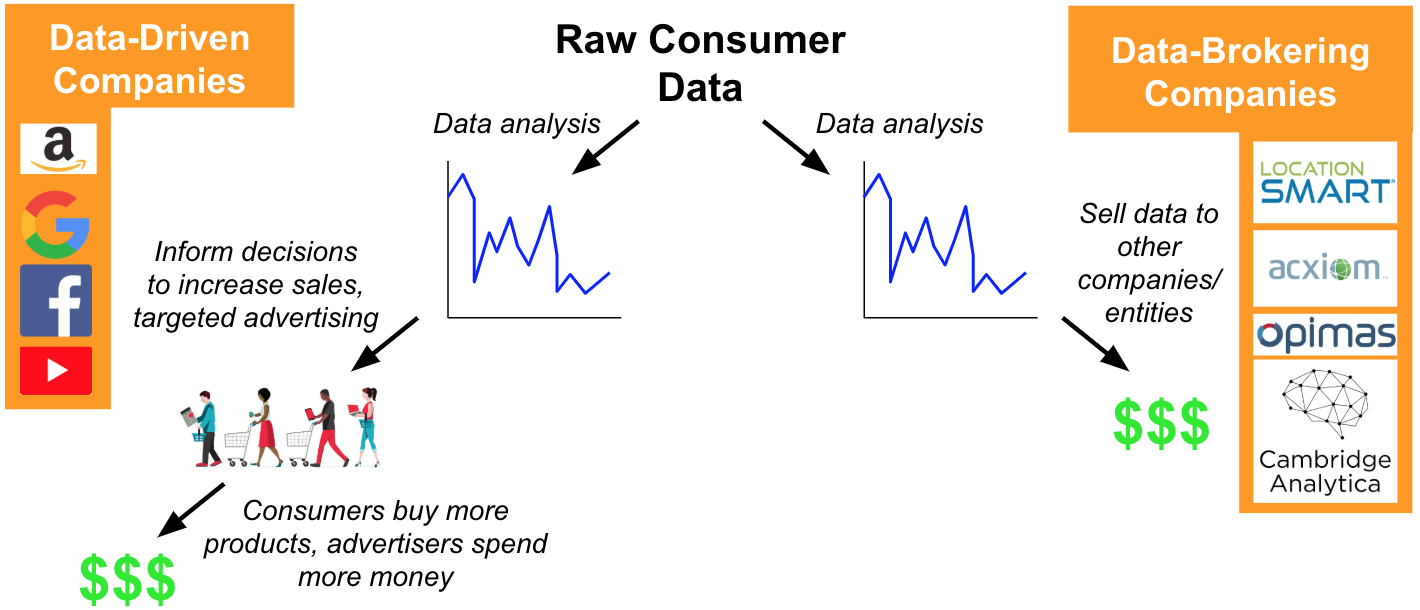
The Data Extraction Model: Many spiritual-wellness apps operate on an “extraction-first” model. They entice users with promises of inner peace, then harvest behavioral data to create “user profiles” that are then sold to advertisers or used to refine proprietary AI systems. In this process, the sanctity of the spiritual act is treated as a secondary byproduct of data collection.
Step-by-Step Guide: Protecting Your Spiritual Intellectual Property
Religious organizations, lineages, and independent teachers must adopt a proactive posture toward their digital footprint. Here is how to safeguard your teachings.
- Audit Your Digital Assets: Compile a list of all proprietary content, including unique liturgical phrasings, meditation scripts, and theological curricula. Identify what is intended to be open-access and what is considered proprietary or “closed” (e.g., restricted rites).
- Implement Restrictive Licensing: Move away from generic Creative Commons licenses. Use tailored licensing agreements that explicitly prohibit the use of your content for machine learning (ML) training or commercial data harvesting without express written consent.
- Establish a Metadata Strategy: Add digital watermarks or “canonical fingerprints” to your published materials. This makes it easier to trace if your content has been ingested by unauthorized AI platforms.
- Vet Your Digital Partners: If you are moving your community to an app-based platform, scrutinize their Privacy Policy and ToS. Specifically, look for clauses that claim ownership or “perpetual licenses” to content uploaded by users.
- Advocate for Ethical AI Protocols: Join coalitions that support the “opt-out” movement for religious data, demanding that tech companies respect the boundary between secular data and sacred practices.
Examples and Case Studies
The risks associated with the commodification of spiritual data are no longer theoretical. We see them manifesting in several distinct ways:
The unauthorized “scrape-and-model” scenario: A popular AI language model was found to have been trained on vast repositories of specialized, non-public theological documents. The resulting AI began producing “homilies” that mimicked the specific, proprietary theology of a fringe religious group, effectively diluting the group’s unique intellectual identity and making their specialized teachings widely available as generic, algorithmically-generated content.
In another instance, meditation apps have faced scrutiny for selling user data—including the types of contemplative practices individuals perform—to third-party marketers. This commodifies the *internal state* of the practitioner, turning a journey of spiritual growth into a targetable demographic segment. When a religious organization relies on these third-party platforms to distribute their content, they are effectively leaking the private spiritual data of their congregants to commercial entities.
Common Mistakes
Navigating this space requires caution. Many religious organizations fall into traps that compromise their future autonomy.
- Assuming “Public Domain” means “Public Property”: Just because a scripture is ancient does not mean an organization’s specific *translation, commentary, or audio recording* is fair game for commercial AI scraping. Failing to copyright your original work leaves it vulnerable.
- Ignoring Terms of Service: Religious leaders often sign up for platforms (hosting services, communication apps, or social media) without reviewing the data ownership clauses. By uploading proprietary theology, they may be legally granting the host company the right to monetize that content.
- Focusing solely on content, not context: Protection isn’t just about text; it is about the metadata. If your organization’s website uses aggressive tracking pixels, you are participating in the commodification of your own members’ spiritual habits, even if you are not selling it yourself.
Advanced Tips
For those looking to go beyond basic defense, modern technology offers new ways to encode sovereignty into spiritual data.
Blockchain for Provenance: Consider utilizing non-fungible tokens (NFTs) or blockchain ledgers not as speculative assets, but as a “Registry of Provenance.” By anchoring your sacred texts or teaching materials on a decentralized ledger, you create an immutable record that identifies your organization as the primary source, making it significantly harder for bad actors to claim your content as their own.
Decentralized Distribution: Instead of relying on centralized, data-hungry tech giants, explore decentralized hosting solutions. By controlling the infrastructure where your digital content lives, you ensure that the data generated by your community—such as who is listening, what they are reading, and how they interact—remains under your stewardship rather than becoming the property of a third-party corporation.
The “Sacred Firewall”: Develop an internal ethical charter for your organization regarding AI. Explicitly state that your intellectual property is “off-limits” for algorithmic training. While this may not be legally binding in every jurisdiction yet, it sets a clear standard that can be used in negotiations with tech providers and demonstrates a commitment to the integrity of the tradition to your community.
Conclusion
The commodification of spiritual data is not just an issue of copyright; it is a fundamental challenge to the sanctity of the religious experience. When faith is reduced to a data point, its transformative power risks being eroded by the incentive structures of the attention economy.
Religious leaders and organizations have a duty to serve as stewards of their intellectual and spiritual heritage. By auditing digital assets, securing licensing agreements, and choosing technological infrastructure that respects the sanctity of the user, we can ensure that religious traditions remain vital and protected. The goal is not to reject technology, but to master it—ensuring that the digital soul of a community remains in the hands of the faithful, not the highest bidder.

Leave a Reply