
Contents
1. Introduction: The collision of Silicon Valley and the Soul; why current frameworks fail to protect the “numinous” self.
2. Key Concepts: Defining religious data (beliefs, practices, rituals) vs. standard PII (Personally Identifiable Information).
3. Step-by-Step Guide: How organizations can audit and implement “Sacred Data” protocols.
4. Examples/Case Studies: The fallout from meditation app data breaches and the ethics of algorithmic predictive religious behaviors.
5. Common Mistakes: Reductionism, commodification of spiritual metrics, and the lack of informed consent for “spiritual personality” profiling.
6. Advanced Tips: Implementing data sovereignty and “ephemeral” data architectures for religious metadata.
7. Conclusion: Moving from privacy compliance to moral stewardship.
***
Data Ethics Must Evolve to Address the Unique Sensitivities of Religious and Mystical Domains
Introduction
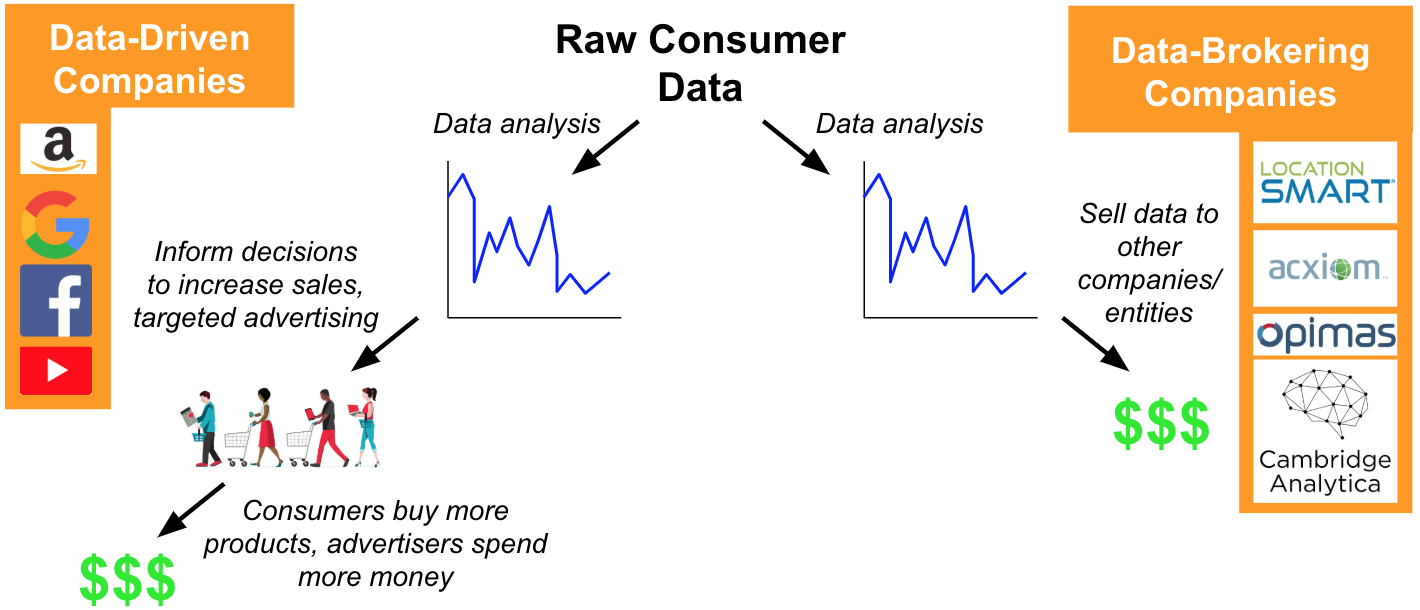
For decades, data ethics has focused on the tangible: financial records, healthcare metrics, and consumer habits. However, we have entered an era where technology is increasingly mapping the most intimate geography of the human experience: our faith, our mystical inclinations, and our spiritual rituals. From meditation apps that track biometric stress markers to AI-driven social media algorithms that predict religious conversion, the modern tech stack is now harvesting data that is not just personal, but existential.
Traditional data protection frameworks—such as GDPR or CCPA—treat “religious belief” as a protected category, yet they fail to account for the nuance of mystical identity. When an algorithm knows your spiritual crisis before you do, or when predictive analytics target your theological vulnerabilities, we aren’t just looking at a privacy breach; we are looking at an intrusion into the soul. To build a future that respects human autonomy, data ethics must evolve from mere compliance into a framework of moral stewardship.
Key Concepts
To navigate this shift, we must differentiate between transactional data and transcendent data. Transactional data represents what you do or what you buy. Transcendent data encompasses the cognitive and emotional architecture of your belief system. This includes prayer frequency, meditation depth, existential anxieties, and ideological affinities that shift over time.
The Numinous Data Gap: This is the disconnect between how a software engineer perceives a “user” and how a religious tradition perceives a “person.” In a secular data model, a person is a node of consumption. In a mystical context, a person is a participant in a transcendent narrative. When data practitioners reduce spiritual practices to “wellness metrics,” they strip away the sacred context, effectively commodifying the human search for meaning.
Step-by-Step Guide: Implementing Ethical Safeguards
Organizations dealing with spiritual, religious, or introspective data must adopt a “Sacred-First” data architecture. Follow these steps to ensure you are protecting the sanctity of your users’ data.
- Audit for Implicit Categorization: Examine your data models to see if you are inferring religious or political views from non-obvious metadata. For example, does your app track “time-in-app” during traditional prayer hours? If so, you are collecting religious data by proxy.
- Implement Ephemeral Data Retention: Spiritual data is often highly temporal. Delete session-based spiritual metadata (such as mood logs or journal entries) after a short period, or allow users to encrypt this data with keys only they possess.
- Radical Transparency in Profiling: Move beyond the “terms and conditions” popup. Provide users with a “Data Genealogy” report that shows exactly what inferences your AI has made about their spiritual or moral identity.
- Decouple Identity from Ideology: Where possible, ensure that identifiers (email/name) are stored separately from behavioral metadata (prayer patterns/meditation logs). If a breach occurs, the spiritual “profile” should not be linkable to the human subject.
- Establish a “Spirituality Board”: Include theologians, ethicists, and philosophers—not just data scientists—in your product development cycle. These voices can spot the “ethical debt” that occurs when spiritual experiences are gamified.
Examples and Case Studies
Consider the recent trajectory of “Mindfulness” applications. Many of these platforms have been criticized for sharing user mental health and meditation habits with third-party advertising networks. In one instance, a user’s meditation history—which includes specific triggers and moments of profound emotional vulnerability—was utilized to serve targeted ads for consumer products. This is not just a marketing failure; it is a violation of the sanctity of the therapeutic/spiritual space.
Another real-world application involves the use of AI-driven chatbots for pastoral care. While these tools provide accessibility, they create a data-driven “confessional.” If the transcripts of these conversations are fed into large language models to improve product features, the developer is essentially treating the most private spiritual disclosures as “training fodder,” fundamentally undermining the trust required for genuine pastoral guidance.
Common Mistakes
- The Reductionist Fallacy: Assuming that spiritual engagement can be measured by engagement metrics (time, frequency, clicks). Spiritual progress is often non-linear and invisible; measuring it via data creates a false incentive for “performing” piety rather than experiencing it.
- Inadequate Consent Models: Asking for consent to collect “behavioral data” is insufficient if that data reveals religious affiliation. Organizations often hide religious tracking under the umbrella of “user experience improvements.”
- Commodification of Spiritual Metadata: Selling insights about religious or philosophical shifts to advertisers is predatory. It exploits the user during times of existential transition—the very moment they are most susceptible to manipulation.
- Ignoring Data Sovereignty: Failing to provide users the ability to port or “anonymize” their spiritual profile. If a user leaves a tradition or shifts their worldview, they should have the right to have their digital history erased to prevent past beliefs from being weaponized against them.
Advanced Tips
To lead in this space, firms should move toward Privacy-Preserving Computation (PPC). Techniques like Federated Learning—where the AI learns from the user’s data on their local device without the data ever reaching a central server—are essential for the future of religious and mystical data.
Furthermore, consider adopting a Digital Sacrament Policy. This is a self-imposed covenant where an organization pledges to never use spiritual or existential data for advertising, influence operations, or predictive marketing. By treating spiritual data as “non-marketable goods,” you build immense brand loyalty and establish a new industry standard for high-trust digital services.
The goal of ethical data practice in the mystical domain is not to prevent the use of technology, but to ensure that the technology serves the expansion of the human spirit rather than the exploitation of the human psyche.
Conclusion
As we advance, the line between technology and human identity will continue to blur. The data we generate regarding our deepest beliefs, our moments of prayer, and our existential inquiries represents the most sensitive information any human can disclose. Treating this data as just another variable in a marketing funnel is a moral error that will result in a profound loss of public trust.
Data ethics must evolve to recognize that certain realms of human life are fundamentally “off-limits” for commercial exploitation. By implementing ephemeral retention policies, decoupling personal identity from ideological metadata, and adopting a spirit of stewardship, tech leaders can ensure that the tools they build help people navigate the mysteries of life, rather than mapping them for profit.




Leave a Reply