
Uncategorized
-

Personalization of explanations helps meet the unique needs of diverse stakeholders.
Contents 1. Introduction: Why the “one-size-fits-all” explanation model fails in a complex, data-driven world. 2. Key Concepts: Defining stakeholder-centric communication and the psychological mechanism of cognitive framing. 3. Step-by-Step Guide: A 5-step framework for diagnosing audience needs and crafting adaptive explanations. 4. Examples/Case Studies: * Technical product updates for engineers vs. C-suite executives. * Medical…
-

Simulation environments allow users to test “what-if” scenarios before deployment.
Outline Introduction: The shift from reactive problem-solving to proactive simulation. Key Concepts: Defining Digital Twins, Monte Carlo simulations, and sandbox environments. Step-by-Step Guide: How to build a “what-if” testing framework. Real-World Applications: Supply chain logistics, urban planning, and software engineering. Common Mistakes: Over-fitting models, ignoring data quality, and “analysis paralysis.” Advanced Tips: Incorporating real-time data…
-

Accessibility standards must be integrated into the visualization of AI logic.
Outline Introduction: The “Black Box” problem and the ethical imperative of accessible AI visualization. Key Concepts: Defining Explainable AI (XAI) and why traditional visualizations fail users with visual or cognitive impairments. Step-by-Step Guide: Integrating accessibility into the AI design pipeline. Examples and Case Studies: Real-world applications in medical diagnostics and financial credit scoring. Common Mistakes:…
-

Modality switching allows users to toggle between graphical and textual views.
Contents * Introduction: Define modality switching and why cognitive flexibility is the future of UX. * Key Concepts: Distinguish between visual processing (gestalt) and textual processing (linear/analytical). * Step-by-Step Implementation: A tactical framework for designers and developers. * Real-World Applications: Case studies in data visualization, project management, and e-commerce. * Common Mistakes: Common pitfalls like…
-
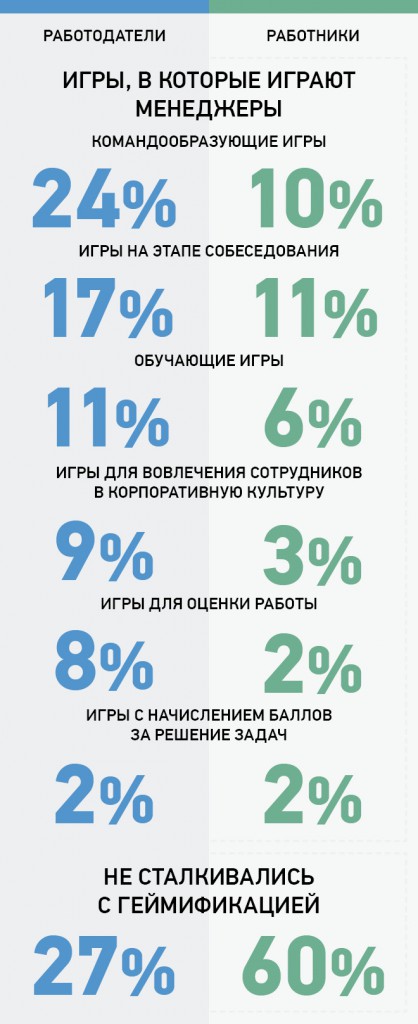
Gamification of model testing can encourage users to explore edge cases safely.
Outline Main Title: Breaking the Model: How Gamification Transforms AI Testing into a Competitive Advantage Introduction: The challenge of AI reliability and the shift from passive testing to active exploration. Key Concepts: Defining “Adversarial Testing” and the “Gamified Feedback Loop.” Step-by-Step Guide: A framework for building a gamified testing environment. Examples: Case studies of bug…
-
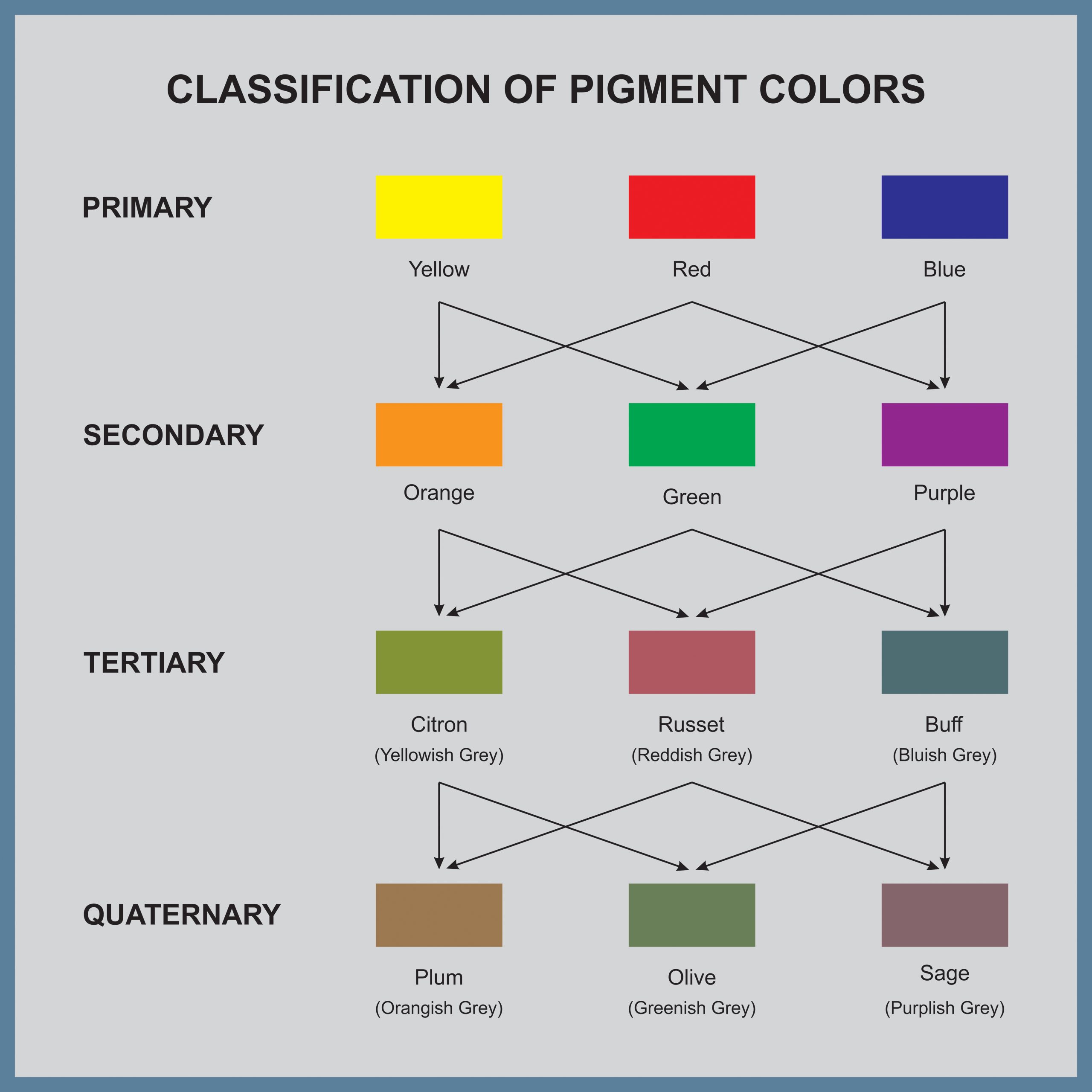
Color theory should be applied to distinguish between model confidence levels.
Outline Introduction: The hidden cost of “black box” confidence. The Psychology of Color: Why color is the fastest way to communicate uncertainty. Key Concepts: Mapping confidence scores to perceptual color spaces. Step-by-Step Guide: Implementing a confidence-based color taxonomy. Real-World Applications: Healthcare diagnostics, financial auditing, and autonomous systems. Common Mistakes: The danger of accessibility barriers and…
-

Contextual menus should explain why a specific piece of data influenced an output.
Contents 1. Introduction: The “Black Box” problem in software and the necessity of explainable UI (XUI). 2. Key Concepts: Defining “Contextual Explainability”—the intersection of data transparency and user control. 3. The Framework (Step-by-Step): How to integrate “Why this?” triggers into existing contextual menus. 4. Real-World Applications: Financial services (risk scoring), E-commerce (personalized recommendations), and Productivity…
-

Iconography choices significantly impact the perceived authority of AI suggestions.
The Semiotics of Intelligence: How Iconography Shapes User Trust in AI Introduction In the rapidly evolving landscape of artificial intelligence, the functionality of an algorithm is often secondary to the user’s perception of it. When a user stares at a chat interface or a predictive text field, they are not just looking at a pixelated…
-
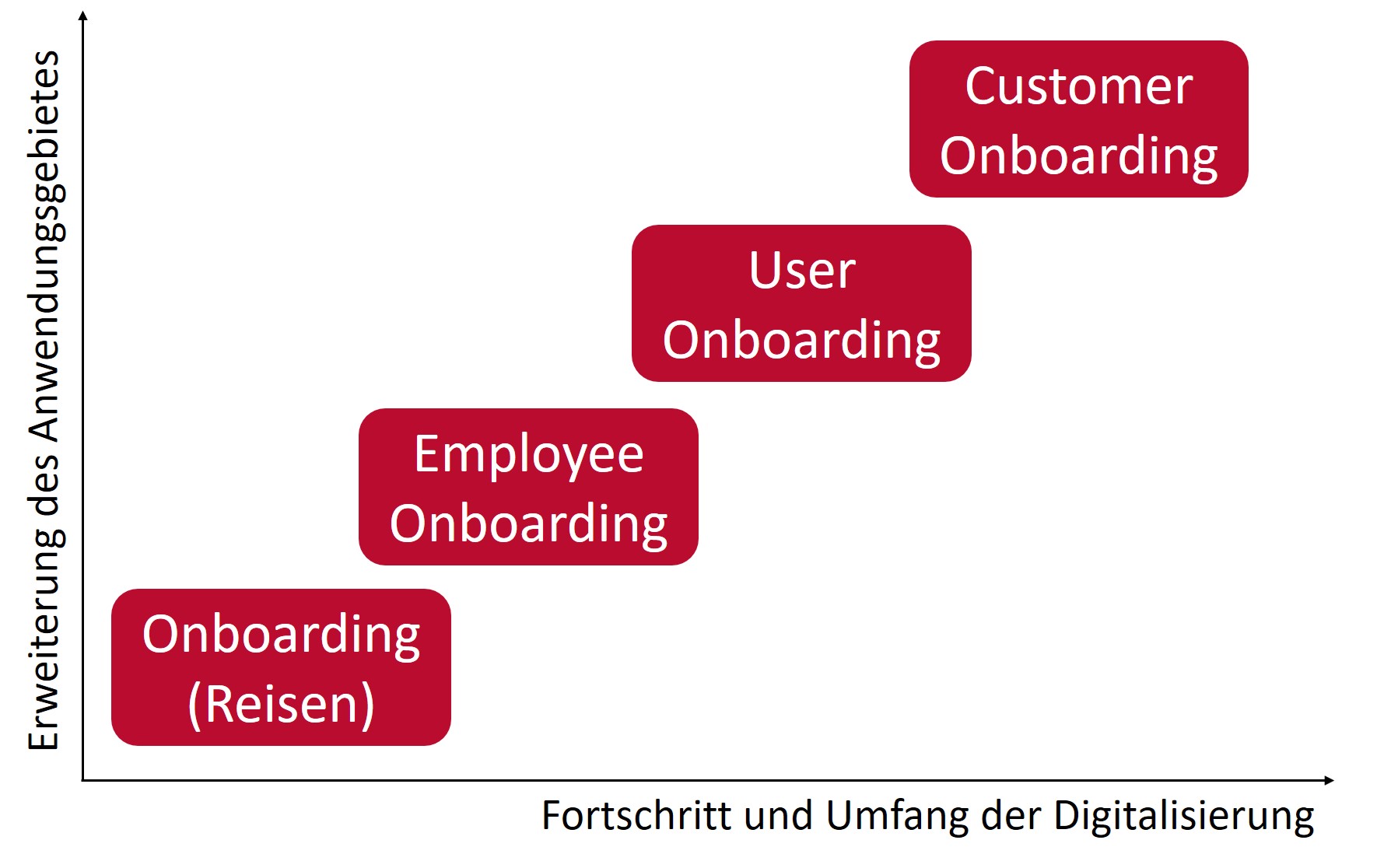
Onboarding tutorials establish a baseline understanding of model limitations.
Contents 1. Introduction: Why the “Magic” of AI creates a trust gap and how onboarding bridges it. 2. Key Concepts: Defining “Mental Models” and “Model Alignment” through user education. 3. Step-by-Step Guide: Designing an onboarding flow that prioritizes limitation transparency without overwhelming the user. 4. Examples: Contrasting successful onboarding (e.g., coding assistants) versus poor onboarding.…
-

Human-in-the-loop validation ensures that algorithmic logic aligns with ethical norms.
Human-in-the-Loop Validation: Aligning Algorithmic Logic with Ethical Norms Introduction We live in an era where algorithms dictate everything from the credit scores we receive to the news we consume and the medical diagnoses we rely on. Yet, software is not inherently moral; it is mathematical. When left to its own devices, machine learning (ML) models…