
Uncategorized
-
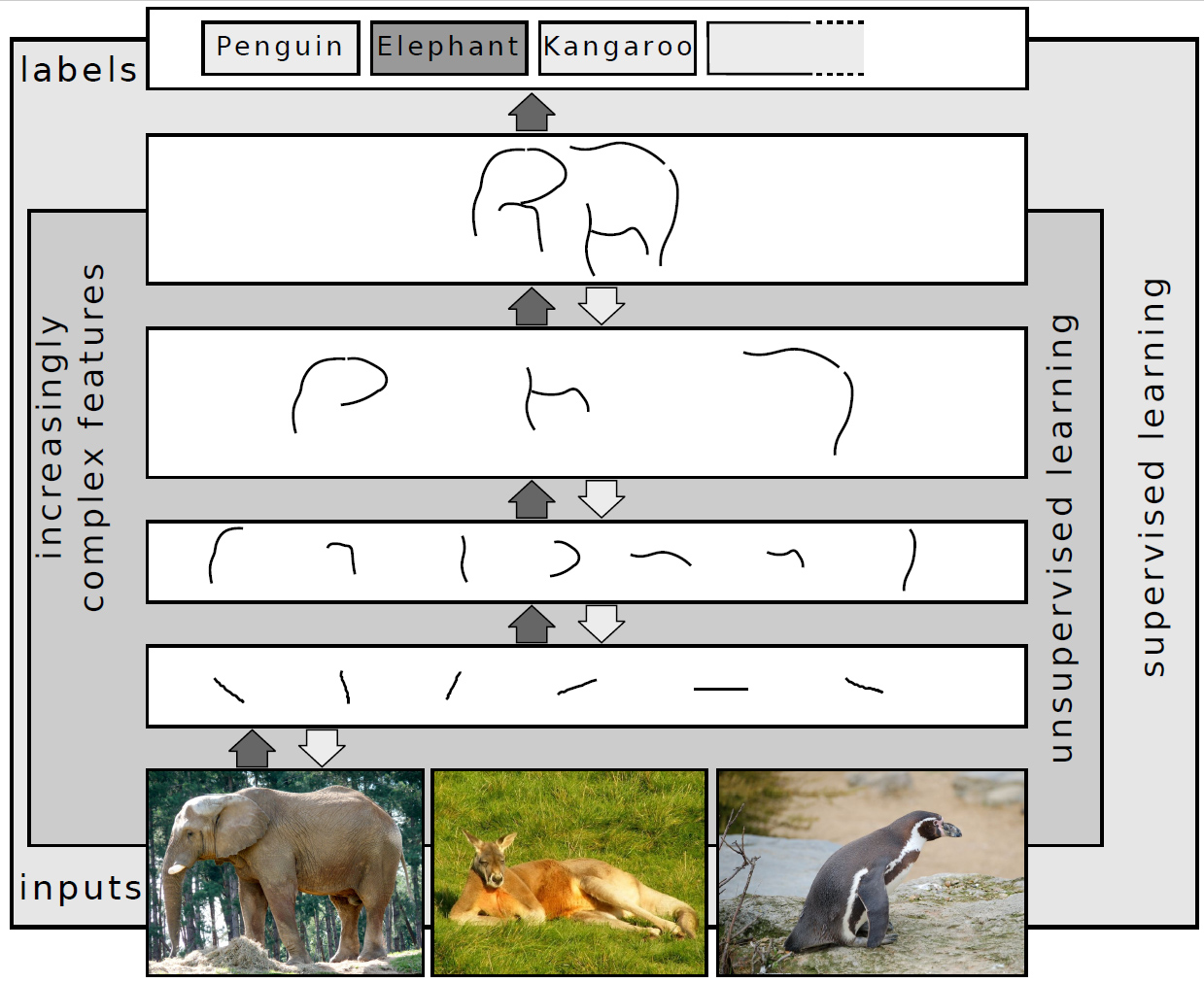
Hierarchical information architecture helps prioritize the most critical insights.
The Architecture of Clarity: Using Hierarchical Information Architecture to Surface Critical Insights Introduction In the digital age, we are suffering from a paradox of choice. Information is abundant, but actionable insight is scarce. Whether you are managing a complex dashboard, designing a corporate intranet, or restructuring your company’s internal documentation, the primary obstacle to productivity…
-

Organizations must maintain detailed technical documentation to prove the logic behind automated decision-making.
Outline Main Title: The Audit Trail of Logic: Why Automated Decision Documentation is Your Best Defense Introduction: The shift from “black box” algorithms to explainable AI (XAI) and the legal necessity of accountability. Key Concepts: Defining Automated Decision-Making (ADM), explainability vs. interpretability, and the regulatory landscape (GDPR/AI Act). Step-by-Step Guide: Implementing a lifecycle documentation strategy…
-

Iconography choices significantly impact the perceived authority of AI suggestions.
The Semiotics of Intelligence: How Iconography Shapes User Trust in AI Introduction In the digital landscape, users make split-second decisions about whether to trust a system based on its visual language. When an AI generates a suggestion—be it a writing correction, a financial forecast, or a medical triage recommendation—it is rarely viewed as a neutral…
-

The EU AI Act categorizes AI systems by risk levels, necessitating rigorous transparency for high-risk applications.
Navigating the EU AI Act: A Practical Guide to Compliance and Risk Management Introduction The European Union Artificial Intelligence Act (EU AI Act) is no longer a theoretical debate—it is the world’s first comprehensive legal framework for AI. For businesses operating within or targeting the EU market, this legislation represents a fundamental shift in how…
-

Regulatory frameworks now mandate that explainable AI (XAI) is not merely a technical feature but a legal requirement.
Outline Introduction: The shift from “black-box” models to “legal-first” AI development. Key Concepts: Defining XAI, the difference between interpretability and explainability, and the regulatory landscape (EU AI Act, GDPR). Step-by-Step Guide: Operationalizing XAI in the development lifecycle. Real-World Applications: How finance and healthcare are applying XAI to meet compliance. Common Mistakes: Pitfalls like sacrificing accuracy…
-

—-.
Please provide the topic you would like me to write about! Once you specify the subject, I will generate the outline and then proceed with the high-quality, WordPress-ready article as you’ve requested. Further Reading How to Get the Most Out of ChatGPT — Harvard Business Review AI Usability Principles — Nielsen Norman Group What Is…
-
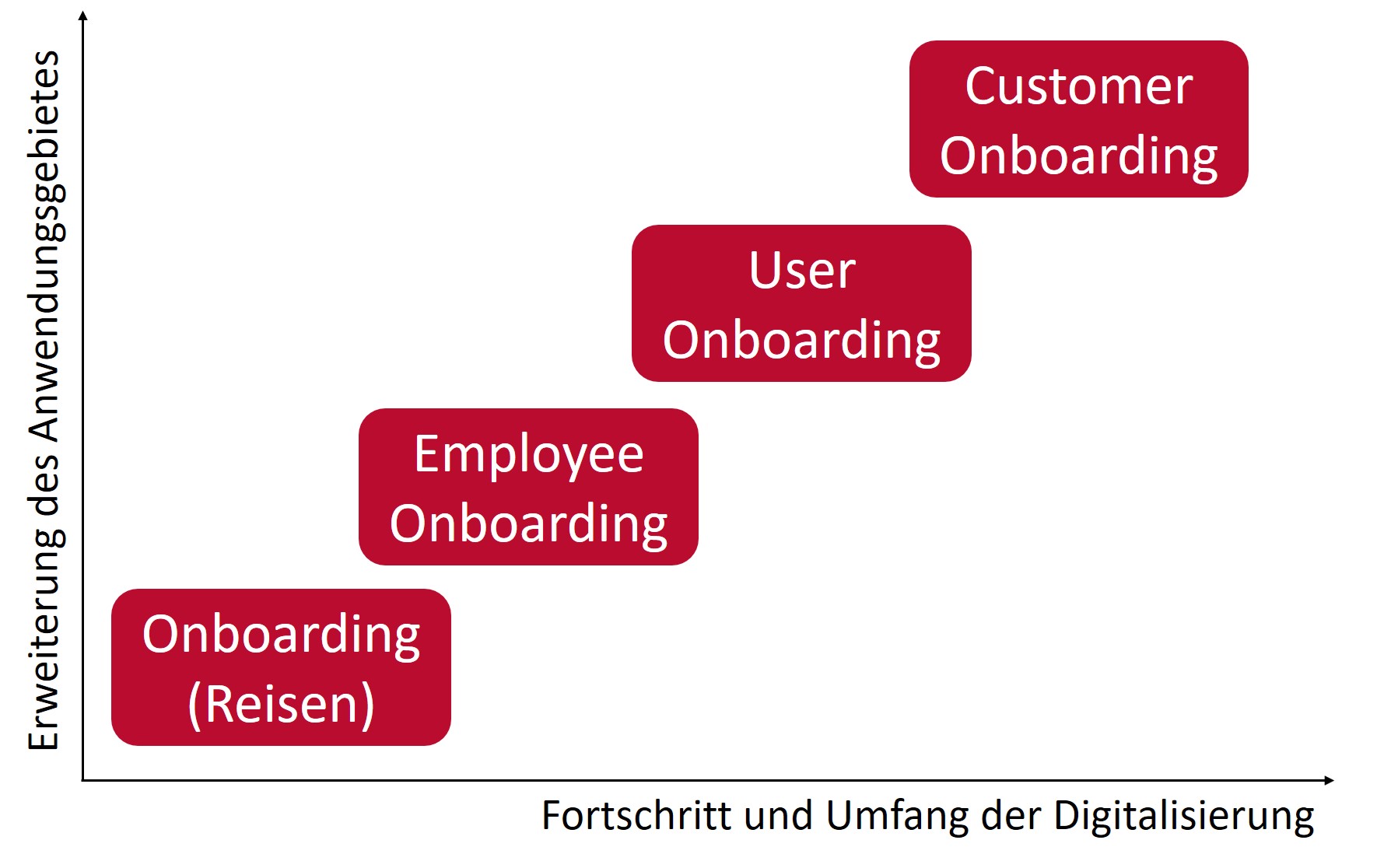
Onboarding tutorials establish a baseline understanding of model limitations.
Contents 1. Introduction: Why the “Magic” of AI creates a reality-gap and why onboarding is the bridge. 2. Key Concepts: Defining the “Calibration Gap” and the role of mental models in human-AI interaction. 3. Step-by-Step Guide: How to design an onboarding flow that teaches limitations without killing enthusiasm. 4. Examples/Case Studies: Comparing effective vs. ineffective…
-

Real-time system status indicators manage expectations during high-latency requests.
Contents 1. Introduction: The psychology of waiting; why latency kills conversion and user trust. 2. Key Concepts: Defining perceived vs. actual latency; the role of feedback loops in digital interfaces. 3. Step-by-Step Guide: Implementation strategy (Triggering, Visualizing, Completing, Error Handling). 4. Examples & Case Studies: E-commerce checkouts, AI generation tools, and data-heavy dashboards. 5. Common…
-

The “black box” stigma is reduced when users can trace individual data features.
Outline Introduction: Defining the “Black Box” dilemma in modern AI and the necessity of algorithmic transparency. Key Concepts: Understanding feature attribution, SHAP, LIME, and the psychology behind user trust. Step-by-Step Guide: Implementing data feature traceability in enterprise workflows. Examples: Case studies in healthcare diagnostics and loan approvals. Common Mistakes: Over-explanation, cognitive overload, and security risks.…
-
Trust-building requires transparency regarding data provenance and model training.
Contents 1. Introduction: The crisis of trust in AI; defining the “black box” problem. 2. Key Concepts: Understanding Data Provenance (lineage) and Model Training (methodology). 3. Step-by-Step Guide: How organizations can audit and disclose their AI pipelines. 4. Examples and Case Studies: Comparing closed-source approaches vs. open-science transparency initiatives. 5. Common Mistakes: The pitfalls of…