

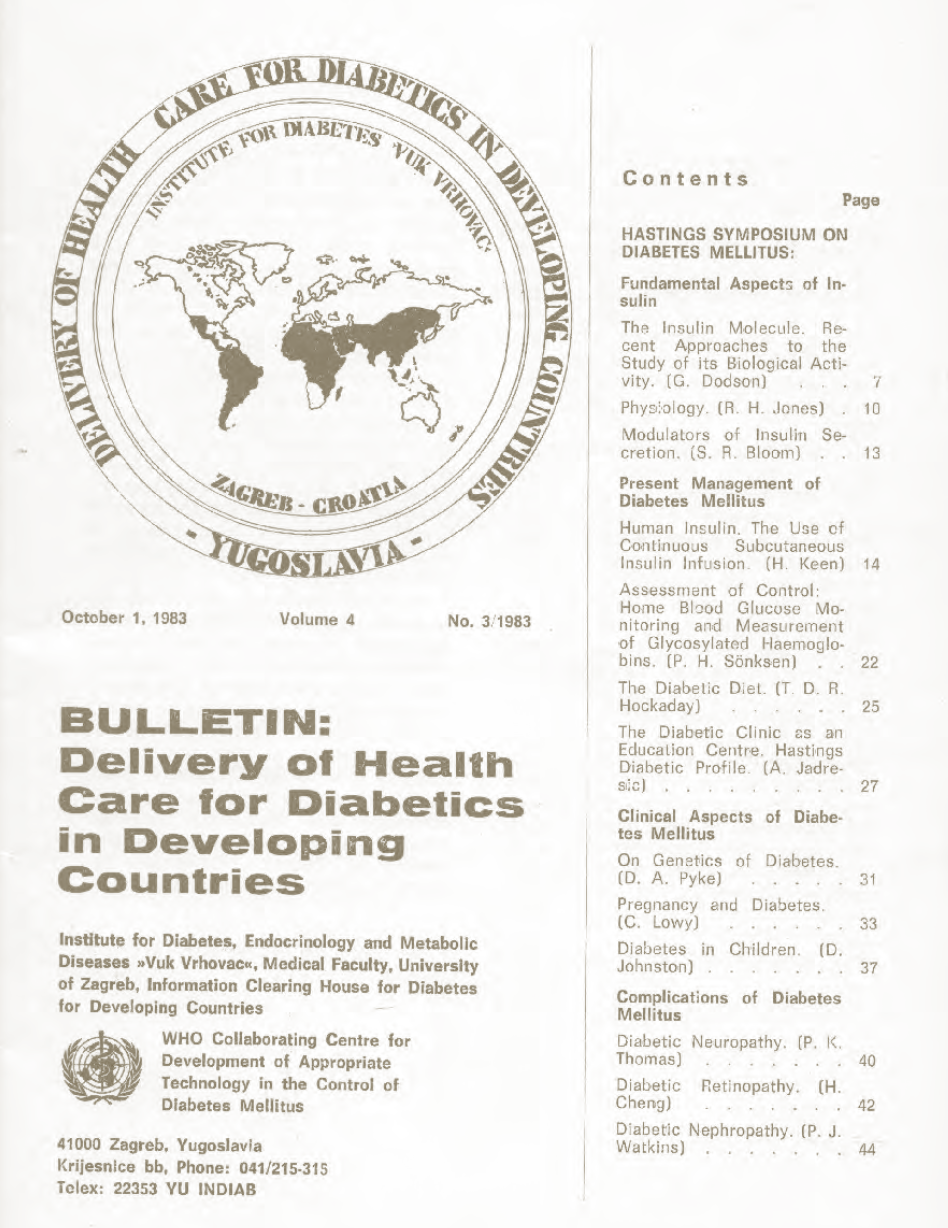
Contents
1. Introduction: Why the “one-size-fits-all” explanation model fails in a complex, data-driven world.
2. Key Concepts: Defining stakeholder-centric communication and the psychological mechanism of cognitive framing.
3. Step-by-Step Guide: A 5-step framework for diagnosing audience needs and crafting adaptive explanations.
4. Examples/Case Studies:
* Technical product updates for engineers vs. C-suite executives.
* Medical communication: Patient education vs. peer-to-peer clinical reporting.
5. Common Mistakes: Why jargon, over-explaining, and ignoring the “WIIFM” (What’s In It For Me) factor kills engagement.
6. Advanced Tips: Techniques like “The Inverted Pyramid,” “The Analogy Layering Method,” and feedback-loop adjustments.
7. Conclusion: Synthesizing the value of personalization as a strategic communication asset.
***
The Art of Precision: Why Personalized Explanations Win Over Stakeholders
Introduction
We live in an age of information overload, yet we suffer from a profound lack of clarity. In business, leadership, and technical fields, the most common pitfall is the assumption that one explanation serves all. Whether you are pitching a software migration to a skeptical CFO or explaining a complex medical diagnosis to a patient, the content of your message matters less than its delivery architecture.
Personalization of explanations is not about dumbing down content; it is about calibrating the depth, vocabulary, and relevance of information to meet the mental model of the person across from you. When you align your explanation with the unique needs, goals, and technical literacy of your stakeholder, you move from merely “sharing information” to “facilitating understanding.” This article explores how to master this transition.
Key Concepts
At its core, personalized explanation is the practice of Cognitive Framing. Every stakeholder carries a unique “frame”—a combination of their professional expertise, their immediate pain points, and their personal motivation for the project.
When an explanation is unpersonalized, it forces the listener to translate the information into their own frame, which requires significant cognitive energy. If they cannot bridge that gap quickly, they default to confusion, skepticism, or disengagement. Personalization minimizes this “cognitive load.” By acting as a bridge builder, you reduce the effort required for the stakeholder to arrive at the conclusion you intend.
Step-by-Step Guide: Crafting the Adaptive Explanation
- Identify the Stakeholder Archetype: Ask yourself: Are they a “Bottom-Line Executor” (needs speed and results), an “Architectural Thinker” (needs to know how the gears turn), or a “Risk-Averse Navigator” (needs to know the downsides and safety nets)?
- Define the Decision Threshold: What is the specific decision this stakeholder needs to make? If they don’t need to know how the system works to approve the budget, omit the technical deep-dive. Only provide the information necessary for their specific decision.
- Select Your Analogy Layer: Use metaphors that align with their industry. An explanation about database latency for a marketer should sound different than the same explanation for a systems engineer.
- Draft the “WIIFM” Anchor: Start your explanation by identifying the “What’s In It For Me” factor for that specific person. Connect your message to their KPIs (Key Performance Indicators) immediately.
- Check for Echoes: After your initial explanation, pause. Ask them to summarize what they heard. This confirms if your personalized framing successfully hit the mark or if further adjustment is needed.
Examples and Real-World Applications
Example 1: Communicating a Cloud Infrastructure Pivot
To a CTO, you explain the shift by detailing the latency reduction in milliseconds and the reduction in server-side technical debt. To the CFO, you explain the shift by focusing on the transition from Capital Expenditure (CapEx) to Operational Expenditure (OpEx) and the projected 15% reduction in recurring monthly costs. The underlying truth is the same, but the “explanation” is a different product entirely.
Example 2: Patient-Centered Medical Care
A physician explains a procedure to a peer by citing clinical outcomes and complication rates from current literature. To a patient, the physician shifts the explanation to focus on recovery time, daily activity limitations, and long-term quality of life improvements. The medical accuracy remains, but the focus shifts from clinical procedure to personal outcome.
Common Mistakes
- The “Jargon Trap”: Believing that using industry-specific acronyms signals competence. In reality, it often signals an inability to communicate clearly. If you cannot explain it without jargon, you likely do not understand the underlying mechanism well enough.
- Ignoring the Hierarchy of Needs: Presenting complex implementation details before addressing the strategic “why.” Stakeholders will tune out if they don’t see the big picture first.
- Assuming Universal Context: Thinking that because you have been immersed in a project for six months, the other person shares your same context. They don’t. Always start by “resetting the stage.”
- Monologuing: Forgetting that an explanation should be a dialogue. If you speak for more than three minutes without checking for understanding, you are likely losing your audience.
Advanced Tips
The Inverted Pyramid Method: Journalists use this to ensure the most critical information is at the top. For stakeholders, lead with the result (The “What”), follow with the impact (The “Why”), and save the process (The “How”) only for those who ask or need to know.
The Analogy Layering Method: If a stakeholder hits a wall of confusion, do not repeat yourself louder. Change the metaphor. If you described a security protocol as a “lock,” and it didn’t click, try describing it as a “digital background check.” Different analogies trigger different neural pathways and often break the “understanding stalemate.”
Active Listening as an Input Device: The best personalized explanations are built from the feedback loop. Use phrases like, “Based on your focus on X, I want to explain how this impacts Y.” This shows the stakeholder you have internalized their priorities, which builds immediate trust.
Conclusion
Personalizing explanations is a strategic discipline that separates leaders from managers and experts from influencers. By shifting your focus from “what I need to say” to “what they need to know,” you dismantle the barriers that cause projects to stall and initiatives to fail.
Remember: Clarity is an act of empathy. It requires you to step outside your own perspective and map the reality of your project onto the mental model of your stakeholder. Practice these steps, observe the reactions of your audience, and refine your approach. When you stop giving the same explanation to everyone, you will find that everyone finally starts to understand.
Further Reading


Leave a Reply