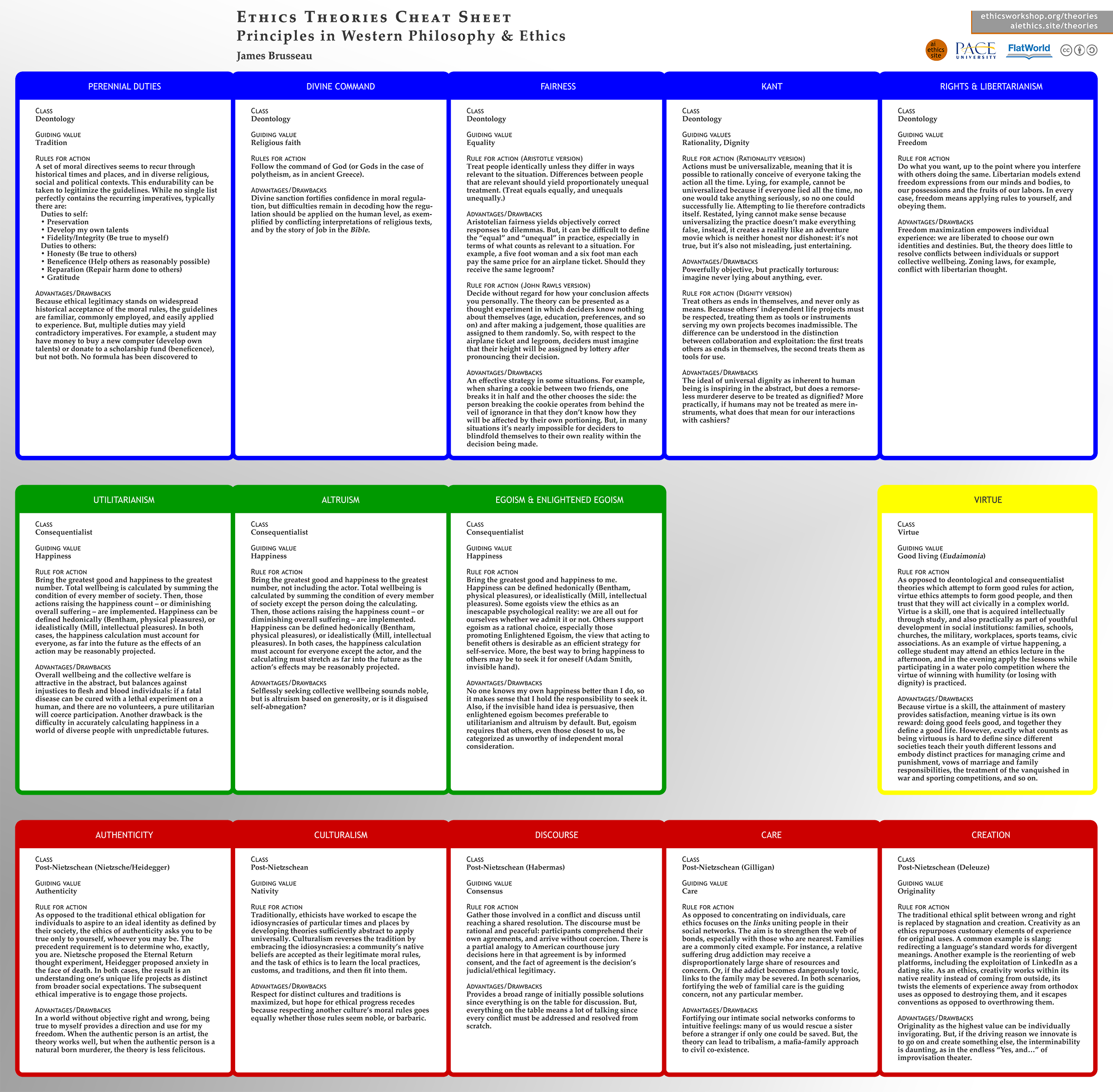
Human-in-the-loop validation ensures that algorithmic logic aligns with ethical norms.
Human-in-the-Loop Validation: Aligning Algorithmic Logic with Ethical Norms Introduction We live in an era where algorithms dictate everything from the…
Human-in-the-Loop Validation: Aligning Algorithmic Logic with Ethical Norms
Introduction
We live in an era where algorithms dictate everything from the credit scores we receive to the news we consume and the medical diagnoses we rely on. Yet, software is not inherently moral; it is mathematical. When left to its own devices, machine learning (ML) models optimize for efficiency, accuracy, or profit—often at the expense of fairness, transparency, and human rights. This is where Human-in-the-Loop (HITL) validation becomes essential. By placing human judgment at critical decision points, organizations can bridge the gap between cold computational logic and the nuanced requirements of human ethical standards.
Key Concepts
Human-in-the-Loop (HITL) is a branch of artificial intelligence that involves human interaction throughout the lifecycle of an algorithmic system. It is not merely a “final check” but a continuous feedback mechanism that ensures the system evolves in a direction that is both technically sound and ethically robust.
Ethical Alignment refers to the practice of ensuring that the objective function of an algorithm—what it is trying to minimize or maximize—does not contradict societal values. For instance, an algorithm designed to maximize retention might inadvertently create a “filter bubble” that radicalizes users, failing the test of ethical alignment.
The “Black Box” Problem: Many modern models, particularly deep learning architectures, are opaque. Even the developers often cannot explain exactly how a specific output was reached. HITL serves as an interpretive layer, imposing accountability on systems that would otherwise operate in a moral vacuum.
Step-by-Step Guide to Implementing HITL Validation
Identify High-Stakes Decision Points: Audit your algorithms to identify where automated decisions significantly impact human lives. Examples include loan approvals, hiring shortlists, healthcare triage, and automated content moderation. These are the areas where human oversight is non-negotiable.
Define Ethical guardrails: Translate vague ethical concepts (like “fairness”) into measurable parameters. Create a rubric that specifies what constitutes bias (e.g., disparate impact on protected classes) and what metrics the model must satisfy before reaching a human reviewer.
Establish the “Human-Machine Handover”: Build clear triggers in the software interface. When an algorithm encounters an “edge case” or falls below a specific confidence threshold, it should automatically route the task to a human expert.
Implement Diversity in Reviewers: Human judgment is also prone to bias. Ensure that the individuals responsible for validating the model represent diverse backgrounds, disciplines, and ethical viewpoints to prevent “groupthink” in the oversight process.
Continuous Auditing and Feedback Loops: Treat the validation process as iterative. Every human override should be logged as data. Use this data to retrain the model, effectively teaching the algorithm to recognize why the previous logic was ethically flawed.
Examples and Case Studies
Case Study 1: Healthcare Diagnostics. Consider an AI tool designed to detect early-stage cancer from radiology scans. If the algorithm is only validated by code, it might prioritize minimizing false negatives while ignoring the extreme psychological and financial burden of false positives. By integrating radiologists into the loop, the system functions as a “decision support tool” rather than a final arbiter, ensuring that the human doctor weighs the patient’s holistic medical history against the AI’s probabilistic findings.
Case Study 2: Content Moderation. Large social media platforms use AI to flag hate speech. However, algorithms struggle with context, irony, and regional dialects. By utilizing HITL, AI handles the high-volume, low-context content removal, while human moderators are alerted to complex, nuanced cases that involve political, religious, or satirical context. This reduces the risk of mass censorship of protected speech while maintaining safety.
Common Mistakes
The “Rubber Stamp” Fallacy: If humans are required to review algorithmic decisions but are given no time or agency to actually override them, they become mere “rubber stamps.” This creates a false sense of security while maintaining the exact same ethical risks.
Over-reliance on Automated Metrics: Relying solely on accuracy scores as a measure of success. An algorithm can be 99% accurate but still discriminate against a specific demographic, rendering it ethically failed.
Failure to Update the Training Data: Often, teams fix the output via human intervention but forget to fix the training set. If you don’t update the underlying data, the algorithm will continue to make the same flawed predictions over and over.
Ignoring “Automation Bias”: Humans tend to trust computers more than they trust their own intuition. Training must explicitly teach humans to challenge the algorithm, rather than blindly agreeing with it because “the computer said so.”
Advanced Tips
Adversarial Red Teaming: Go beyond passive validation. Actively employ “ethical red teams” whose job is to try and break the algorithm by inputting data designed to elicit biased or unethical responses. If your model can be “tricked” into violating ethical norms, it is not yet production-ready.
Interpretability Tools: Utilize technologies like SHAP (SHapley Additive exPlanations) or LIME (Local Interpretable Model-agnostic Explanations) to provide humans with visual aids that explain *why* the model made a specific decision. Humans validate more effectively when they can see the features—such as zip code or gender—that drove the algorithm’s conclusion.
True algorithmic accountability does not come from building a “perfect” model, but from building a system that knows when to ask a human for help.
Differential Privacy: When incorporating human feedback, ensure that the data used for validation is anonymized and adheres to privacy standards. The HITL process should never become a surveillance mechanism for the very users it is intended to protect.
Conclusion
Human-in-the-loop validation is the ultimate safeguard against the “unintended consequences” of artificial intelligence. By integrating human discernment into the algorithmic lifecycle, we shift the role of AI from a dominant force to a collaborative partner. This approach recognizes that while machines possess superior data-processing power, humans retain the unique capacity for moral reasoning, context-awareness, and empathy.
To move forward responsibly, leaders and developers must embrace the friction that human oversight creates. While it may slow down deployment speeds, it drastically increases the longevity and social acceptability of the technology. In the digital age, being “correct” is not enough; we must also ensure our systems are “just.” By institutionalizing the human element, we build technology that doesn’t just work—it works for everyone.
Learn how autonomous mechanism design compilers use game theory and incentive-compatible protocols to create self-correcting, efficient supply chain networks.
Learn to build professional, scalable APIs by mastering HTTP status codes. Discover best practices for error handling, schema design, and developer experience.
Implementing Financial Kill-Switches: Safeguarding Automated Systems Against Market Chaos Introduction In the high-frequency world of modern finance, automated trading systems…
The Lifecycle of AI: Establishing Protocols for Secure Model Decommissioning Introduction In the current gold rush of artificial intelligence, organizations…
Cross-Sector Partnerships: The Engine Behind Ethical AI Certification Introduction Artificial Intelligence is no longer a peripheral technology; it is the…
Securing the Machine Learning Lifecycle: A Comprehensive Threat Modeling Framework Introduction Machine Learning (ML) has moved from experimental sandboxes into…