Viwoods: The Future of Sustainable Architectural Engineering
— by
Steven Haynes
Outline:
1. Introduction: Defining Viwoods as a modern approach to sustainable, high-end architectural design and material innovation.
2. Key Concepts: The intersection of biomimicry, engineered timber, and carbon-negative construction.
3. Step-by-Step Guide: Implementing Viwoods principles in residential or commercial projects.
4. Examples & Case Studies: Analyzing a real-world application (e.g., modular urban housing).
5. Common Mistakes: Identifying pitfalls like improper moisture management and sourcing oversights.
6. Advanced Tips: Integrating smart-monitoring systems and life-cycle assessments (LCA).
7. Conclusion: The future of construction and the role of sustainable materials.
***
Viwoods: The Future of Sustainable Architectural Engineering
Introduction
The construction industry is currently responsible for nearly 40% of global carbon emissions. As urbanization accelerates and climate concerns intensify, the search for building materials that are not only renewable but regenerative has moved from the fringe to the forefront of architecture. Enter Viwoods—a revolutionary concept in structural material engineering that fuses high-performance timber technology with biomimetic design principles.
Viwoods isn’t just about using wood; it is about re-engineering the relationship between natural fibers and structural integrity. By leveraging advanced cross-laminated timber (CLT) techniques and proprietary bio-resins, Viwoods offers a pathway to carbon-negative construction without sacrificing the durability or aesthetic appeal required by modern developers. For architects, contractors, and forward-thinking homeowners, understanding the Viwoods methodology is essential to staying competitive in a market that increasingly values ESG (Environmental, Social, and Governance) performance.
Key Concepts
At its core, the Viwoods philosophy rests on three pillars: structural efficiency, carbon sequestration, and material circularity.
Structural Efficiency: Traditional timber is often limited by its natural variance. Viwoods utilizes computational modeling to identify the optimal grain orientation for specific load-bearing requirements, essentially “programming” the wood to perform like steel while retaining its natural thermal properties.
Carbon Sequestration: Unlike concrete or steel, which have massive carbon footprints, Viwoods acts as a carbon sink. The wood stores the CO2 absorbed during the tree’s growth cycle. By utilizing rapid-growth, sustainably sourced timber treated with low-VOC bio-resins, the net carbon impact remains negative for the life of the structure.
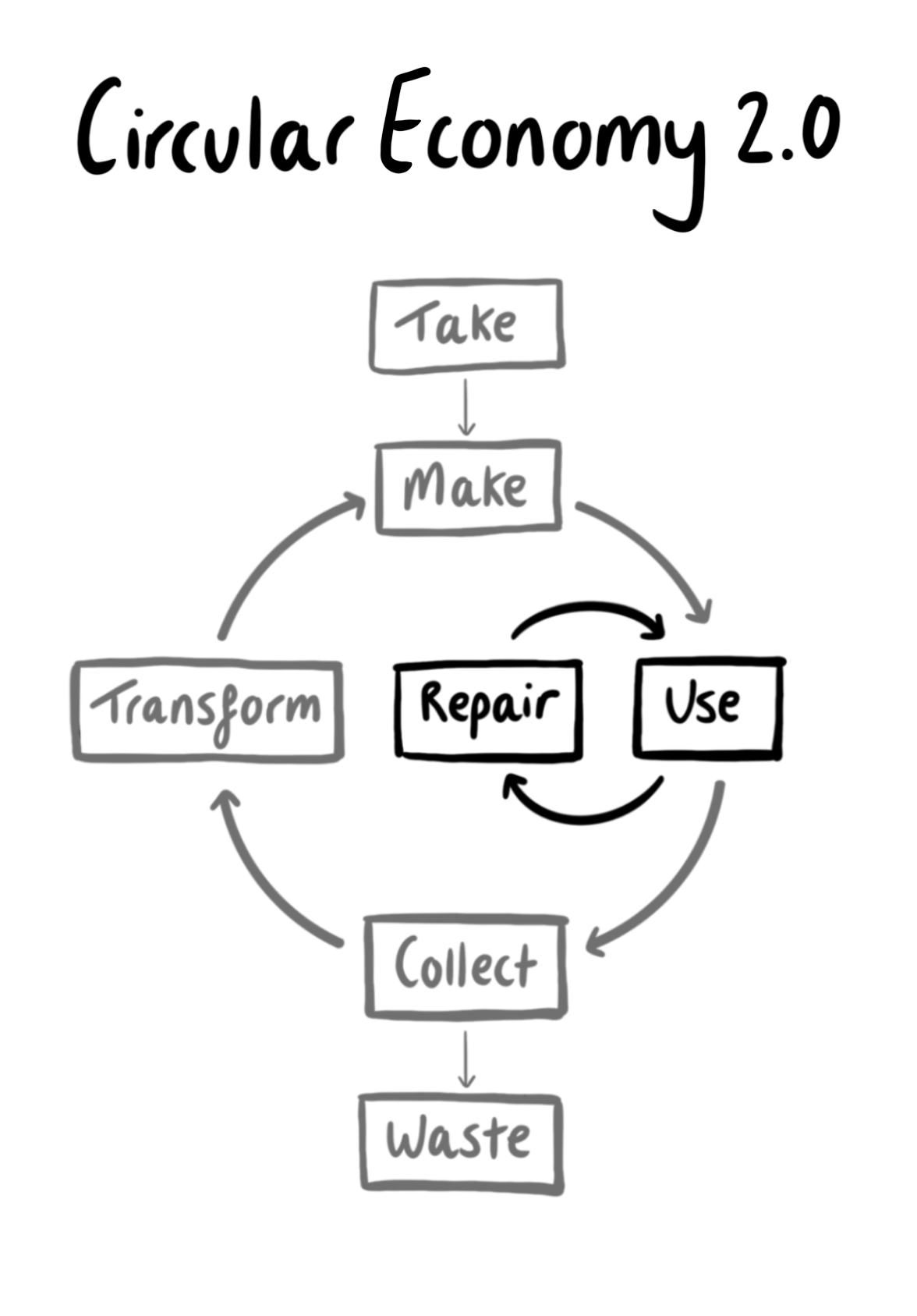
Material Circularity: Viwoods is designed with “Design for Disassembly” (DfD) in mind. Connections are mechanical rather than chemical, allowing the components to be reused or repurposed at the end of the building’s lifecycle rather than ending up in a landfill.
Step-by-Step Guide
Integrating Viwoods into your construction workflow requires a shift from traditional “build-and-forget” mentalities to a more systematic, modular approach. Follow these steps to successfully implement this material in your next project:
Site-Specific Modeling: Before sourcing, use BIM (Building Information Modeling) software to map the load requirements of your structure. Viwoods performs best when material density is matched precisely to structural stress points.
Sourcing and Certification: Ensure all timber is FSC-certified. Verify the provenance of the bio-resins used in the lamination process to ensure they meet modern indoor air quality standards.
Precision Prefabrication: Viwoods components should be manufactured in a climate-controlled facility. This minimizes waste and ensures that dimensions are accurate to the millimeter, reducing on-site errors and installation time.
Moisture Mitigation Strategy: Timber is hygroscopic. Develop a robust envelope design that includes advanced vapor barriers and strategic ventilation, preventing moisture buildup within the wall assemblies.
Modular Assembly: Use standardized connection points. The goal is to avoid site-applied adhesives, utilizing bolt-together systems that allow for modular expansion or future disassembly.
Examples or Case Studies
Consider the Urban Canopy Project, a mid-rise residential complex in Northern Europe that utilized Viwoods to reduce its construction timeline by 35% compared to a traditional concrete build.
By employing pre-fabricated Viwoods panels, the construction team was able to assemble the entire structural frame in less than three weeks. Because the material is significantly lighter than reinforced concrete, the project required a simplified foundation, which saved the developer roughly 15% in excavation and foundation costs. Furthermore, the exposed Viwoods interior finish eliminated the need for secondary drywall and paint, further reducing the overall material footprint while providing a biophilic environment that increased tenant satisfaction and rental yields.
Common Mistakes
Even with advanced materials, improper execution can lead to significant failures. Avoid these common pitfalls:
Ignoring Thermal Bridging: While wood is a better insulator than steel, failing to address connections at the foundation or balcony joints can create thermal bridges, leading to condensation and long-term rot.
Over-Engineering for Aesthetics: Attempting to use structural elements as decorative ones without accounting for the resulting load shifts. Always prioritize the structural engineering report over purely visual preferences.
Poor Sourcing Oversight: Assuming all “engineered wood” is created equal. Always audit the resin chemistry—some cheaper alternatives use formaldehyde-based glues that negate the environmental benefits of using wood in the first place.
Neglecting Maintenance Schedules: Timber structures require periodic inspections of the building envelope. Neglecting to inspect exterior cladding or sealant joints can lead to moisture ingress, which is the primary enemy of any wood-based structure.
Advanced Tips
To take your Viwoods projects to the next level, integrate Smart-Monitoring Systems. By embedding moisture and stress sensors within the timber joints, you can monitor the building’s health in real-time. This data-driven approach not only provides peace of mind regarding structural integrity but also allows you to optimize building performance over time.
“True sustainability in architecture isn’t about using the right material; it’s about using the right material in a way that respects its natural properties while leveraging modern technology to extend its lifespan.”
Additionally, consider conducting a full Life-Cycle Assessment (LCA) for every project. By quantifying the carbon savings, you can often qualify for green building tax credits or lower insurance premiums, turning a sustainable choice into a significant financial advantage.
Conclusion
Viwoods represents the maturation of sustainable construction. By moving away from resource-heavy, high-emission materials and embracing the potential of engineered timber, developers and architects can create spaces that are healthier for both the planet and the occupants.
The transition to Viwoods requires precision, intentional design, and a commitment to long-term performance. However, the benefits—ranging from accelerated construction schedules to lower carbon footprints and superior indoor air quality—make it a compelling choice for the future of the built environment. Start small by incorporating Viwoods in modular components, and as your expertise grows, scale your approach to redefine the possibilities of modern structural design.


Leave a Reply