
Contents
1. Introduction: Defining the Circular Economy and the shift from “take-make-waste” to “resource recovery.”
2. Key Concepts: Understanding Urban Mining, Closed-Loop Systems, and Product-as-a-Service (PaaS).
3. Step-by-Step Guide: The lifecycle of circular resource recovery, from reverse logistics to material extraction.
4. Examples and Case Studies: Real-world implementation (e.g., Apple’s Daisy robot, automotive recycling).
5. Common Mistakes: Why many companies fail (designing for complexity, lack of infrastructure).
6. Advanced Tips: Implementing Digital Product Passports and modular design.
7. Conclusion: The economic and environmental imperative for business sustainability.
***
Closing the Loop: How Recovering Raw Materials from Decommissioned Goods Drives Future Growth
Introduction
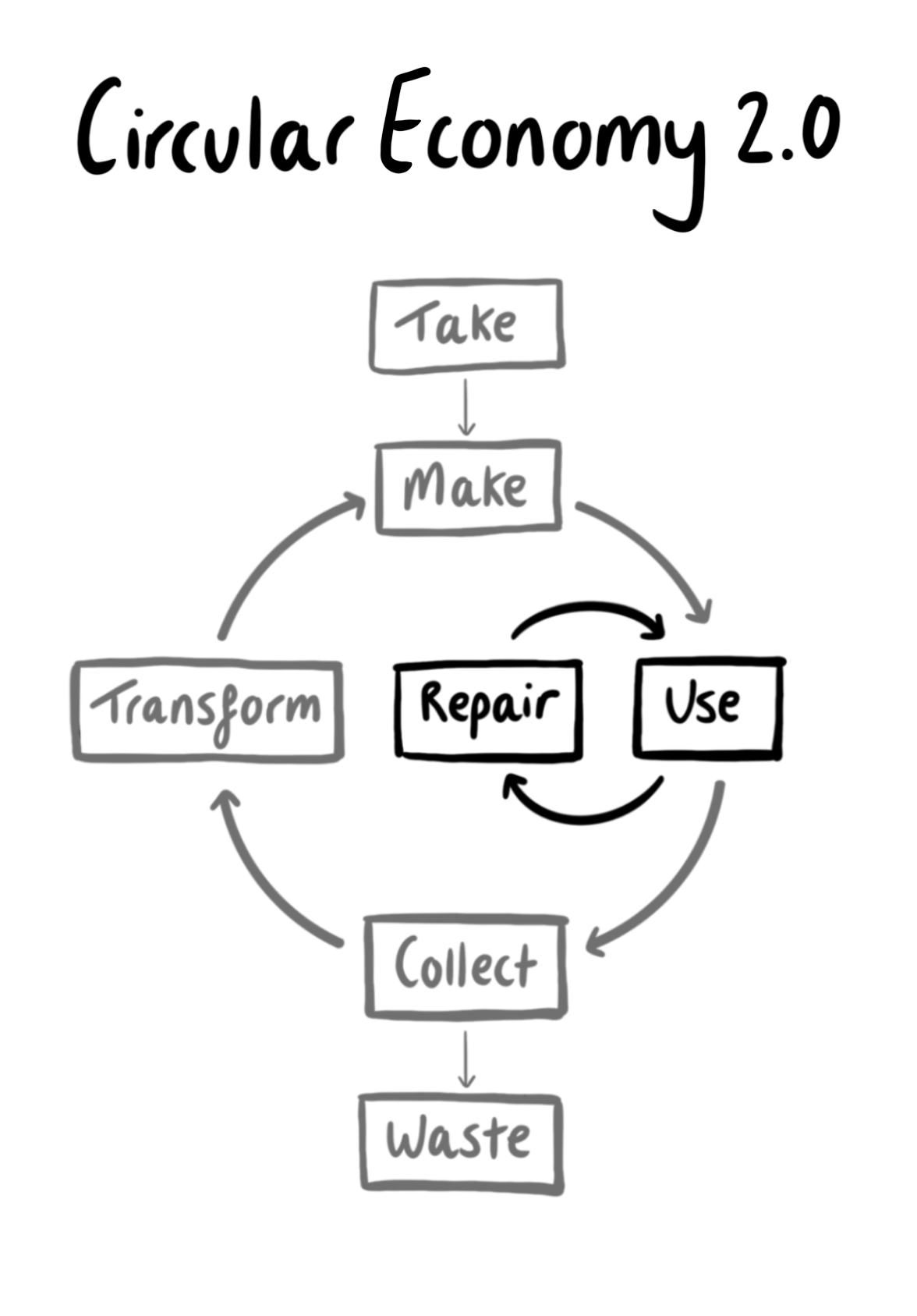
For decades, the global economy has functioned on a linear model: extract raw materials, manufacture products, and discard them in landfills. This “take-make-waste” approach is no longer sustainable. As natural resources become increasingly volatile and scarce, businesses are looking toward a transformative alternative: the circular economy. At the heart of this transition is the recovery of raw materials from decommissioned goods.
When we treat end-of-life products not as waste, but as “above-ground mines,” we unlock a secondary supply chain that is more resilient and often more profitable than traditional extraction. For modern businesses, mastering the art of closed-loop material recovery is no longer just an environmental goal; it is a strategic imperative for long-term survival.
Key Concepts
To implement closed-loop systems, we must first understand the foundational mechanics of material recovery.
Urban Mining: This is the process of reclaiming raw materials—such as copper, gold, cobalt, and rare earth elements—from discarded products like smartphones, laptops, and industrial machinery. Unlike virgin mining, which requires destructive extraction techniques, urban mining utilizes the high concentration of materials already gathered in our cities.
Closed-Loop Systems: A closed-loop system is an industrial process where products are designed for disassembly. Once a product reaches the end of its useful life, its components are returned to the production cycle. This minimizes the need for virgin material input and significantly reduces the carbon footprint of manufacturing.
Product-as-a-Service (PaaS): This business model shifts the focus from selling a product to selling the utility of a product. By retaining ownership of the asset, manufacturers are incentivized to design for durability and ease of recovery, ensuring that materials stay within their control for as long as possible.
Step-by-Step Guide: Implementing a Circular Recovery Program
Transitioning to a circular model requires a shift in operations, logistics, and design. Follow these steps to begin recovering raw materials effectively.
- Design for Disassembly: Start at the drawing board. Avoid permanent adhesives and complex molding that prevent separation. Use standardized fasteners and modular components to ensure that a product can be easily dismantled by automated systems or manual labor.
- Establish Reverse Logistics: You cannot recover what you cannot collect. Develop a robust take-back infrastructure. This could involve incentivized trade-in programs, partnerships with e-waste recyclers, or direct collection from enterprise clients.
- Material Identification and Sorting: Use automated technologies like X-ray fluorescence (XRF) or AI-driven optical sorting to identify high-value materials. Accurate sorting is the difference between high-grade secondary raw materials and contaminated scrap.
- Refining and Reintegration: Partner with specialized refiners who can convert sorted scrap back into high-purity raw materials. Once refined, these materials must be re-introduced into your manufacturing process, replacing a specific percentage of virgin material.
- Tracking via Digital Product Passports: Implement a digital ledger system that records the material composition of every product. This provides recyclers with the exact data needed to process the item efficiently years down the line.
Examples and Case Studies
Several industry leaders have already proven that closed-loop recovery is not only feasible but highly scalable.
The most successful companies view their products as temporary loaners of material, not as final outputs to be discarded.
The Apple “Daisy” Robot: Apple has invested heavily in disassembly technology. Their robot, Daisy, can disassemble 200 iPhones per hour, separating components that traditional shredding machines would otherwise destroy. This allows Apple to recover rare earth elements, gold, and tungsten with high precision, which are then fed back into their supply chain.
Automotive Closed-Loop Aluminum: Many leading automotive manufacturers now work with their aluminum suppliers to create closed-loop systems. When a car is decommissioned or when production scraps are generated at a factory, the high-quality aluminum is sorted, melted, and recast into automotive-grade alloys. This process uses 95% less energy than producing aluminum from bauxite ore.
Common Mistakes
The transition to circularity is fraught with challenges. Avoiding these common pitfalls is essential for success.
- Ignoring Design Compatibility: Many companies attempt to recycle products that were never meant to be taken apart. If a product requires a sledgehammer to disassemble, the cost of labor will always exceed the value of the recovered materials.
- Underestimating Logistics Costs: Collecting decommissioned goods from consumers is expensive. Without a dense network or a strong incentive for the consumer to return the item, the carbon and financial cost of shipping can negate the environmental benefits.
- Prioritizing Downcycling over Upcycling: Downcycling—turning a high-value material into a low-value product (like turning carpet into insulation)—reduces the economic incentive for recovery. Aim for processes that keep materials at their highest possible value.
- Lack of Scale: Circular systems require volume to be economically viable. Operating in a silo often leads to failure. Collaborative efforts, where multiple companies share recycling infrastructure, are often more successful.
Advanced Tips
To move beyond basic recycling, consider these advanced strategies to optimize your material recovery.
Modular Architecture: Design products where the “technology core” (the parts that become obsolete quickly, like a processor) is separate from the “chassis” (the long-lasting physical structure). This allows you to upgrade or recover the core while keeping the frame in circulation for decades.
Material Passports: Integrate RFID or QR tags into products that store data on material composition, toxicity, and disassembly instructions. This provides transparency for downstream recyclers and ensures that hazardous materials are handled correctly while valuable ones are prioritized.
Collaborative Ecosystems: Look for “industrial symbiosis.” Your company’s waste might be another company’s raw material. By mapping the waste streams of local industries, you can create a network where material flows are optimized across sector boundaries, turning one firm’s trash into another’s profit.
Conclusion
Recovering raw materials from decommissioned goods is the cornerstone of a sustainable, resilient, and profitable future. By shifting focus from the end of the supply chain to the beginning—designing products for their eventual disassembly and rebirth—businesses can insulate themselves from resource scarcity and fluctuating commodity prices.
The technology exists, the economic case is strengthening, and the regulatory landscape is shifting toward mandatory circularity. The companies that thrive in the next decade will be those that stop viewing their products as “waste” and start seeing them as the permanent assets they truly are. Start by auditing your current product design, identifying one material stream that can be closed, and building the infrastructure to bring those resources home.
Leave a Reply