
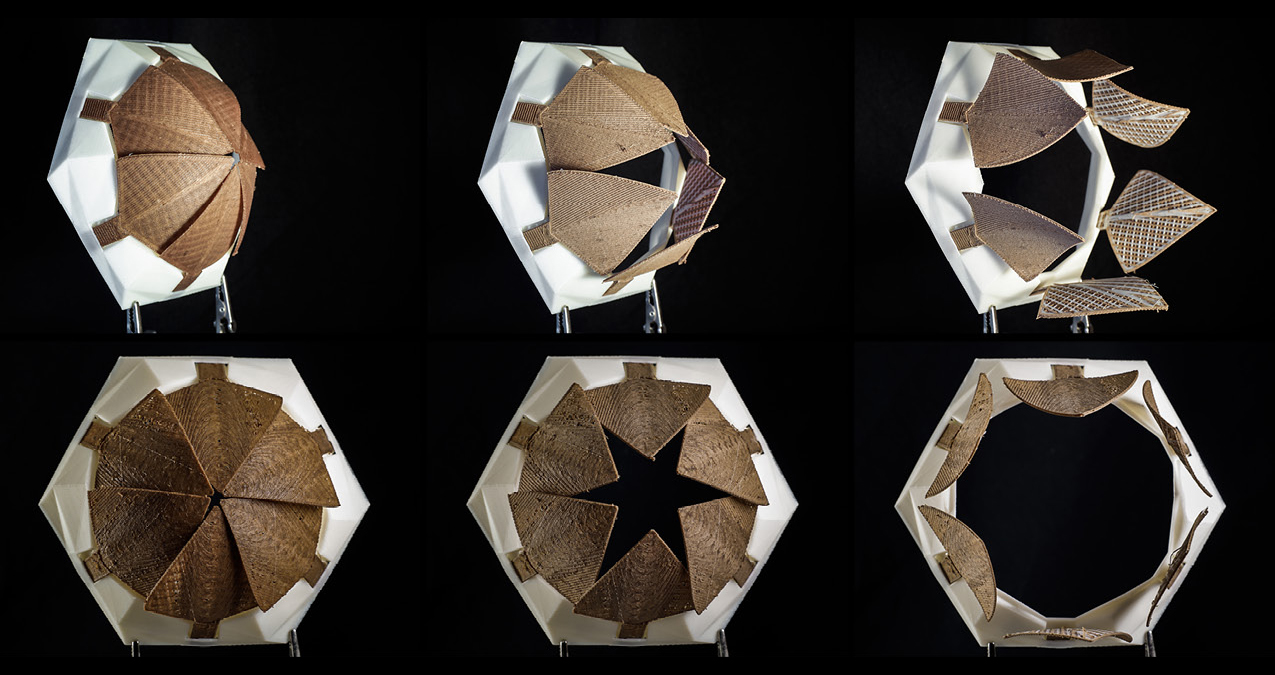
The Convergence of Biology and Engineering: Where Nature Meets Technology
Introduction
For centuries, human engineering was defined by its separation from the natural world. We built rigid grids, straight lines, and static structures that stood in defiance of the environment. However, a seismic shift is underway. In modern architecture and structural design, the line between “nature” and “technology” is no longer a boundary—it is a bridge. We are entering an era of biomimetic design and synthetic ecology, where the structures we inhabit are beginning to function less like machines and more like living organisms.
This convergence isn’t just an aesthetic trend; it is a necessity for survival in a resource-constrained world. By looking at how nature solves complex structural problems—through efficiency, adaptability, and self-repair—we are creating buildings that do more than just house us; they interact with the ecosystem. Understanding this blur between the biological and the mechanical is essential for anyone involved in design, engineering, or sustainable development.
Key Concepts
To understand this shift, we must redefine what we mean by “structure.” In traditional construction, a structure is a static load-bearing framework. In nature, a structure is a dynamic, responsive system.
Biomimicry: This is the practice of learning from and mimicking the strategies found in nature to solve human design challenges. It is not about copying the shape of a leaf, but understanding the fluid dynamics and cellular architecture that make that leaf strong and resilient.
Generative Design: This is the technological counterpart to natural evolution. By using algorithms that mimic biological growth, engineers can input constraints—such as material weight, wind load, and solar exposure—and let a computer “grow” the most efficient structural form. The result often looks organic, with complex, lattice-like geometries that humans would never intuitively design.
Responsive Materials: We are moving toward “living” building materials. These are materials that can sense their environment and change their properties accordingly. Think of smart glass that tints based on sunlight or self-healing concrete infused with bacteria that repair cracks when moisture enters. These materials blur the line by introducing biological-like homeostasis into inorganic structures.
Step-by-Step Guide: Implementing Biomimetic Design
Adopting a nature-inspired approach to structural design requires a departure from traditional CAD-based drafting. Follow these steps to integrate these principles into your project:
- Identify the Biological Strategy: Do not start with a shape. Start with a problem. If your building needs to be lightweight but rigid, study the internal structure of bird bones (trabecular bone). If it needs passive cooling, study the ventilation systems of termite mounds.
- Define Environmental Constraints: Use generative design software to input your site’s specific data. This provides the “evolutionary pressure” that the computer uses to iterate thousands of structural possibilities.
- Select Bio-Integrated Materials: Research materials that mimic natural performance. Look for cross-laminated timber (CLT) for carbon sequestration or mycelium-based composites for thermal insulation.
- Simulate and Iterate: Use high-fidelity simulations to test how your structure responds to stressors. Just as nature iterates through generations to weed out inefficiency, use digital twin technology to refine your design before a single brick is laid.
- Integrate Feedback Loops: Design the structure to monitor its own performance. Incorporate IoT sensors that function like a nervous system, providing data on structural integrity, energy consumption, and environmental impact.
Examples and Case Studies
The Eastgate Centre, Zimbabwe: Architect Mick Pearce designed this building by observing the ventilation systems of African termite mounds. Termites maintain a constant internal temperature in their mounds despite scorching external heat by using a series of vents that open and close. The Eastgate Centre uses a similar passive cooling system, reducing energy consumption by 90% compared to conventional buildings of similar size.
The ICD/ITKE Research Pavilions: Produced by the University of Stuttgart, these pavilions are prime examples of the convergence of biology and robotics. The structures are built using carbon fiber reinforced polymers, with shapes inspired by the exoskeleton of beetles. The design process uses algorithmic growth patterns, resulting in incredibly lightweight structures that provide immense strength, mirroring the efficiency of natural biological forms.
The most advanced technology of the future will not be a gadget, but a building that breathes, heals, and grows alongside its occupants.
Common Mistakes
- Aesthetic Mimicry: The biggest mistake is designing a building to “look” like nature without performing like nature. A building shaped like a seashell is not biomimetic if it lacks the structural efficiency of a shell. Always prioritize function over form.
- Ignoring Scale: Biological systems often function differently at the micro and macro levels. Simply scaling up a cellular structure can lead to failure if the material properties don’t support the increased load.
- Over-reliance on Tech: Technology should facilitate the natural design, not replace the logic of the environment. If your high-tech sensors are working to fix a problem that could have been solved by better passive orientation, you have failed the design process.
Advanced Tips
To truly push the boundaries, look toward Synthetic Biology. We are approaching a time when we will “grow” buildings using biological organisms. Imagine structural columns grown from calcified bacteria or wall panels made of photosynthetic algae that produce energy and purify the air.
Furthermore, consider the Circular Lifecycle. Nature has no concept of waste; everything is a nutrient for another process. Design your structures for “disassembly” rather than “demolition.” By using modular components and organic-based materials, a building can be deconstructed at the end of its life, with its parts returned to the earth or reused in a new project, completing the biological cycle.
Conclusion
The distinction between nature and technology is fading because it was a false dichotomy to begin with. Human ingenuity is, in itself, a natural phenomenon. By embracing biomimicry, generative design, and responsive materials, we are not just building structures; we are participating in the evolution of our environment.
The transition from static, industrial-age structures to dynamic, nature-inspired systems is the most important architectural shift of the 21st century. As you move forward in your projects, remember that the most efficient, resilient, and sustainable solutions have already been perfected by millions of years of evolution. Our job is not to reinvent the wheel, but to learn how to grow it.
Leave a Reply