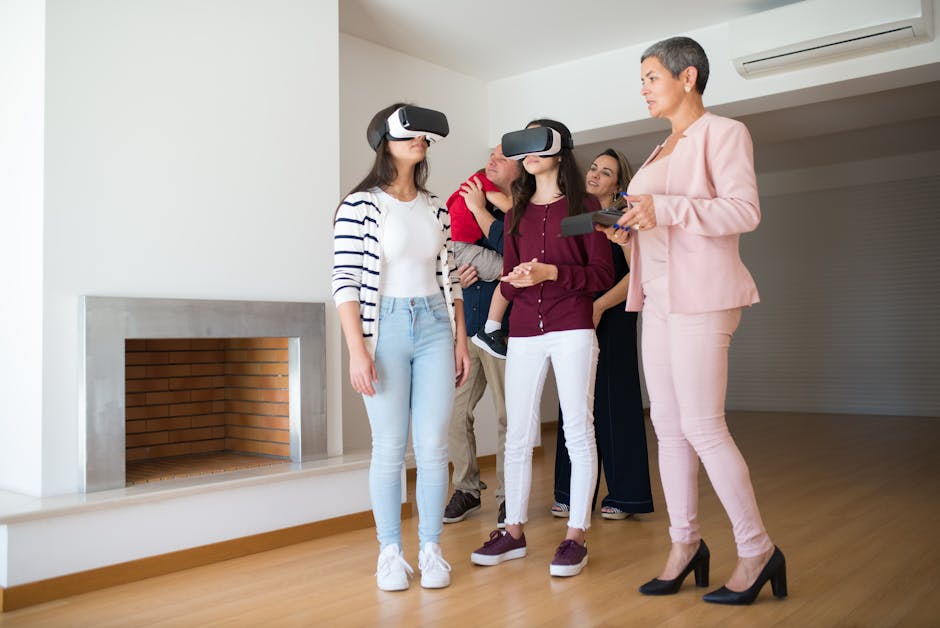
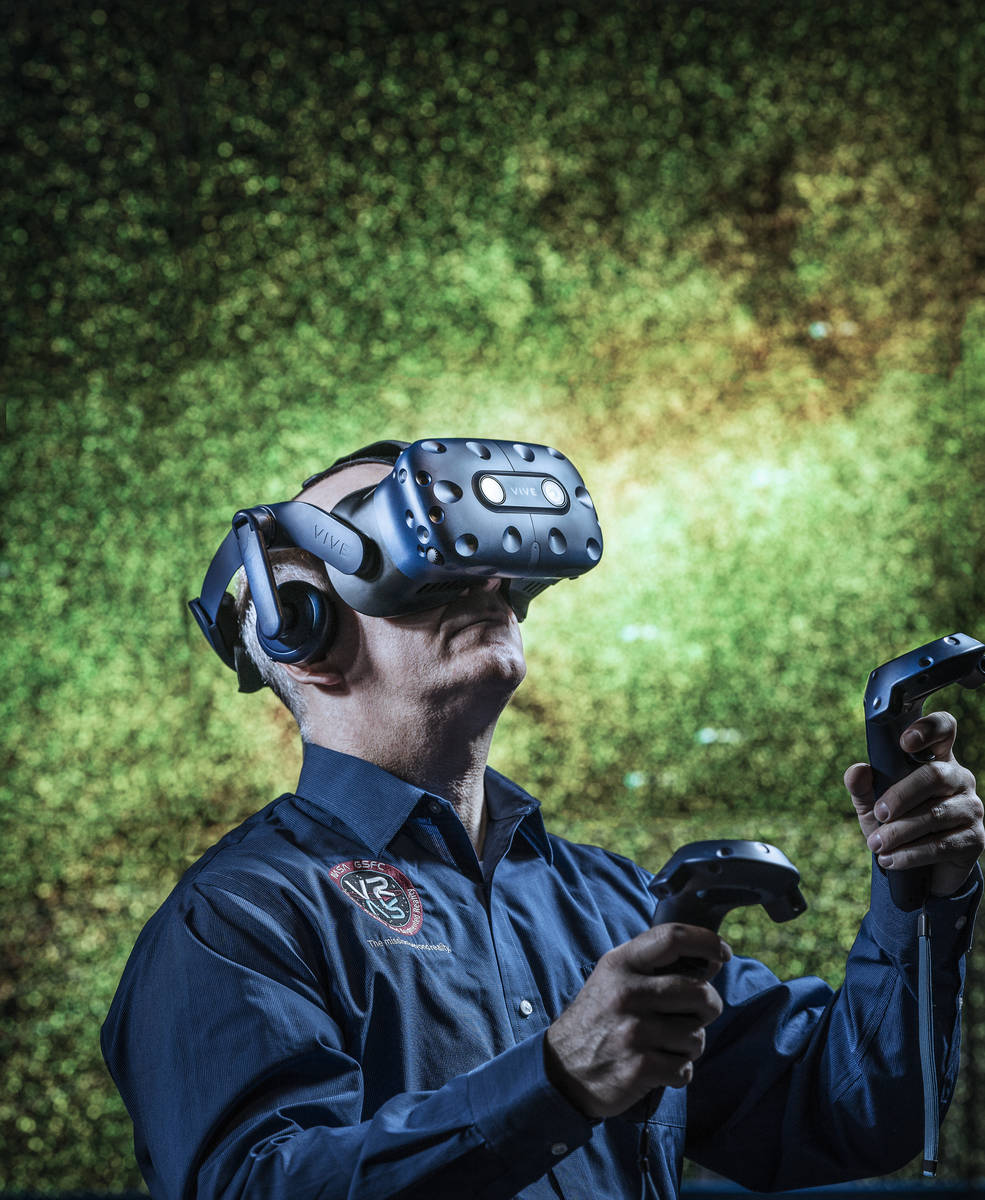
In the race to adopt spatial computing, many enterprises are falling for a dangerous misconception: that VR is merely a tool for ‘enhancing’ existing workflows. By prioritizing high-fidelity graphics and deep immersion, companies are spending millions on hardware that actually creates a net-negative impact on operational agility. As a strategist at The Boss Mind, I argue that the future of virtual reality in the enterprise isn’t about how deep you can plunge into a digital world—it’s about how efficiently you can escape it.
The Over-Engineering Paradox
The original narrative around VR centers on ‘total immersion.’ We talk about digital twins and hyper-realistic simulators as the gold standard. However, true high-performance leadership requires cognitive brevity, not cognitive overload. When an executive spends an hour in a full-immersion headset to review a supply chain dashboard, they are not increasing productivity; they are incurring a high ‘context-switching tax.’ The time required to calibrate, calibrate the environment, and navigate a 3D interface often far exceeds the value gained from the added spatial context.
Moving Toward ‘Ambient VR’
The strategic shift for the next five years will move away from the bulky, all-encompassing headset and toward Ambient Spatial Computing. This is the integration of lightweight AR and non-intrusive VR interfaces that provide critical data overlays without removing the leader from their physical team environment. If your enterprise strategy relies on workers being cut off from reality to understand their work, you have built a silo, not a system.
Why Friction is a Strategic Metric
The most successful organizations of the future will measure their spatial tools by a new metric: Time-to-Insight (TTI). If a VR-enabled simulation takes 20 minutes to boot and navigate, but offers the same decision-making data as a well-designed, static 2D dashboard, the VR implementation is a failure. We must stop romanticizing the ‘cool factor’ of 3D modeling and start holding these tools to the same rigor as any other software-as-a-service (SaaS) platform.
The Contrarian Strategy for Deployment
If you are a leader looking to integrate spatial tech, don’t start with ‘immersive training.’ That is the low-hanging fruit that typically leads to shelfware. Instead, identify where your team is suffering from data blindness—situations where spreadsheets hide critical systemic patterns. Implement ‘Spatial Light’ solutions that prioritize velocity over fidelity. Can your managers view the status of a global logistics network in 5 seconds without putting on a device that isolates them from their office? If not, you aren’t optimizing; you are playing with toys.
The Bottom Line
Technology should serve the decision-maker, not the medium. The strategic asset isn’t the VR headset; it’s the ability to translate complex digital information into human-readable, actionable intelligence. In a world of increasing noise, the most effective tool is the one that provides the most context with the least amount of effort. Don’t invest in a better virtual world; invest in a clearer view of the one you are actually operating in.
Actionable Next Steps
Audit your TTI: Measure how long it takes to move from a raw data set to a concrete business decision using your current stack.
Prioritize Portability: If your spatial solution requires a dedicated room or rig, relegate it to R&D only. Focus deployment on tools that scale to the desk and the boardroom.
Focus on Synthesis: Look for platforms that synthesize multiple data streams into a single spatial view, rather than platforms that simply move 2D screens into a 3D space.
For more counter-intuitive takes on modern leadership and enterprise tech, stay tuned to thebossmind.com.