How Virtual Reality is Redefining Community and Connection
— by
Steven Haynes
Outline
Introduction: The shift from physical proximity to digital presence.
Key Concepts: Defining the Metaverse, presence, and synchronous social interaction.
Step-by-Step Guide: How to transition into and cultivate community in VR.
Examples: Case studies of VRChat, Horizon Worlds, and professional networking in spatial environments.
Common Mistakes: The pitfalls of isolation, lack of etiquette, and tech-fatigue.
Advanced Tips: Optimizing hardware for non-verbal communication and building digital third places.
Conclusion: The future of human connection in a borderless world.
The Digital Commons: How Virtual Reality is Redefining Community
Introduction
For centuries, the concept of community has been tethered to geography. We lived where we worked, shopped where we lived, and socialized with those within a convenient driving distance. However, the rise of virtual reality (VR) is decoupling the “social” from the “spatial.” We are witnessing a fundamental shift where digital environments are becoming primary hubs for human interaction, fundamentally altering how we form, maintain, and evolve our community structures.
This is not merely about gaming or entertainment; it is about the migration of human connection into persistent, immersive digital spaces. As these environments become more sophisticated, they offer a sense of “presence”—the psychological feeling of actually being with others—that traditional social media never could. Understanding this shift is essential for anyone looking to navigate the next frontier of human interaction.
Key Concepts
To understand the impact of VR on community, we must first define the core mechanics at play.
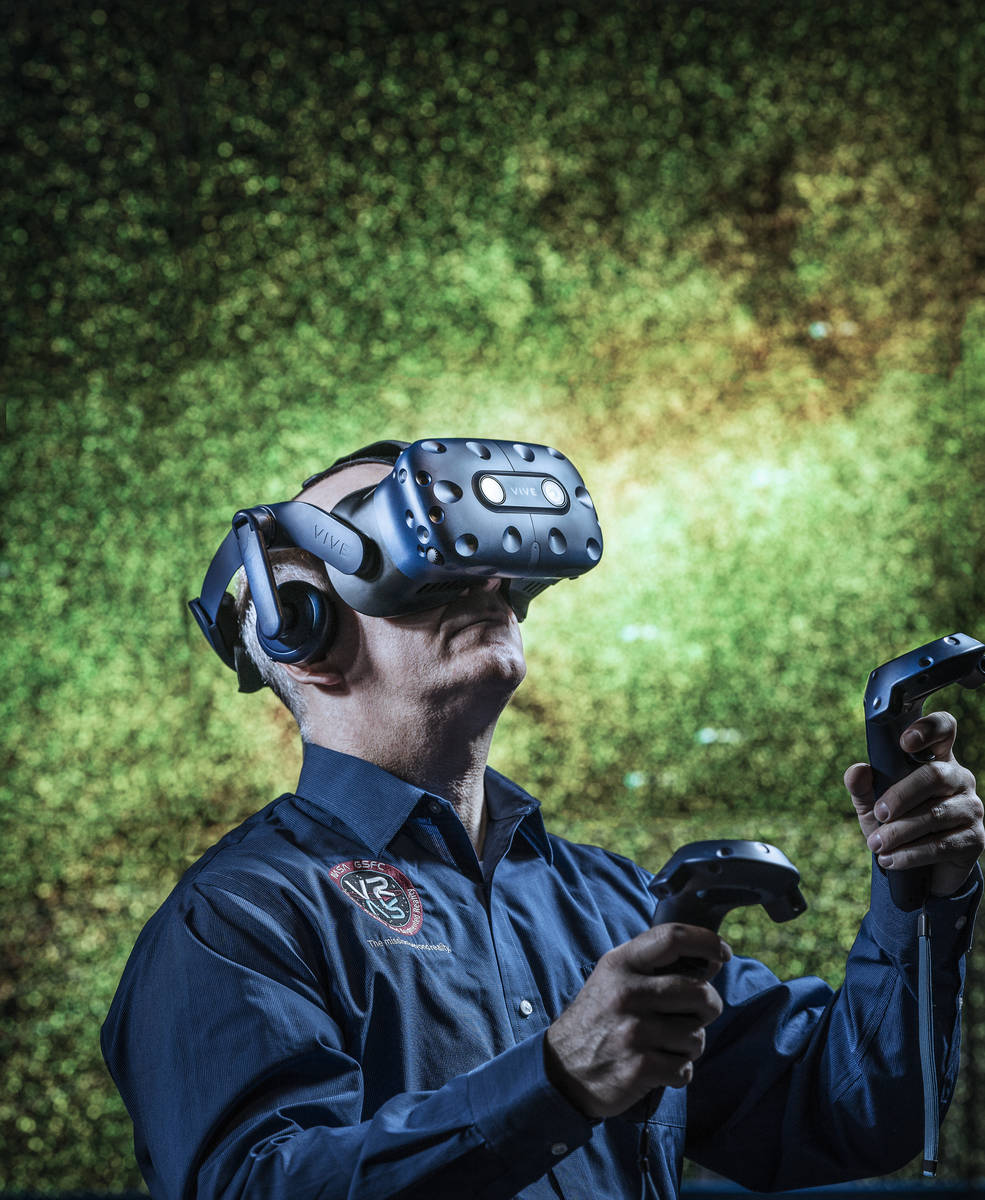
Spatial Presence: Unlike a Zoom call or a text-based forum, VR provides spatial presence. When your avatar is standing next to someone else’s in a virtual lounge, your brain perceives that person as being in your physical proximity. This triggers social behaviors that are absent in 2D digital communication, such as respecting personal space, making eye contact, and reading body language.
Persistent Environments: Traditional social platforms are ephemeral; your post disappears as the feed refreshes. Virtual environments, by contrast, are persistent. They exist even when you are logged off. This allows for the development of “digital architecture,” where communities can build, decorate, and maintain shared spaces, fostering a sense of ownership and collective identity.
The Third Place: Sociologists define “third places” as the social surroundings separate from the two usual social environments of home (“first place”) and the workplace (“second place”). VR environments are emerging as the ultimate third place, accessible from anywhere, offering a level of inclusivity that physical venues—due to travel, mobility, or financial constraints—often lack.
Step-by-Step Guide
Transitioning into a virtual community requires more than just a headset; it requires a shift in how you approach digital interaction. Follow these steps to build meaningful connections in a virtual space.
Choose Your Platform Based on Intent: Don’t just follow the hype. If you are looking for professional collaboration, explore platforms like Spatial or Arthur. If you are seeking social connection or hobby-based groups, VRChat or Rec Room offer established sub-communities.
Invest in Non-Verbal Cues: If your hardware supports it, enable eye-tracking and facial expression tracking. The nuance of a smile or a nod is the “social glue” of virtual interaction. If your hardware is basic, learn to use hand gestures effectively to compensate for the lack of facial nuance.
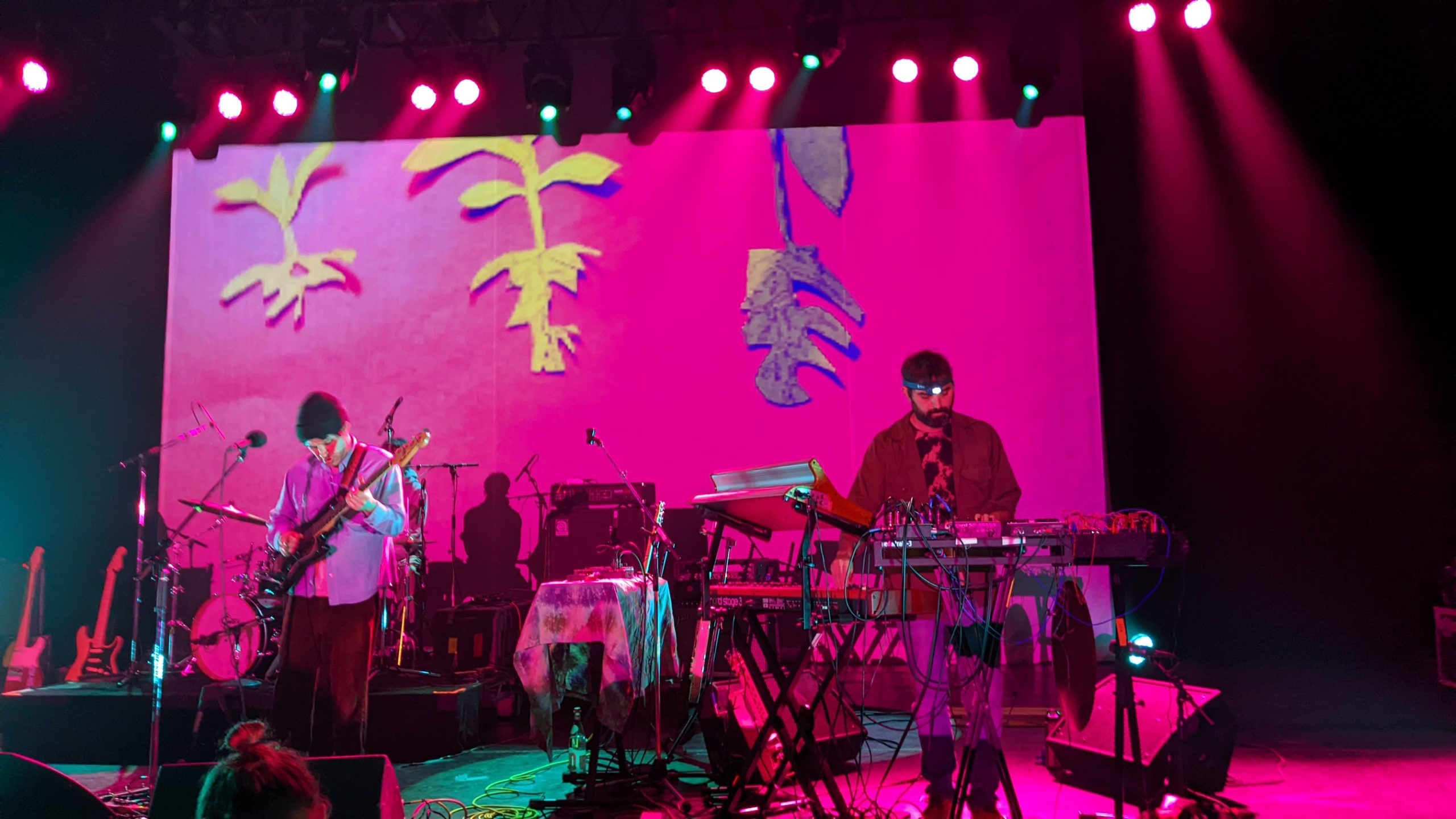
Engage in Synchronous Activity: Communities in VR are built through shared experiences, not just shared talk. Participate in virtual concerts, movie nights, or collaborative building sessions. The goal is to move from “talking at each other” to “doing things together.”
Establish Community Norms: If you are starting a group, define the culture early. Virtual spaces can be chaotic; having clear rules regarding avatar aesthetics, communication styles, and conflict resolution will attract high-quality members.
Balance the Virtual and the Physical: Treat your virtual community as a supplement to your life, not a replacement. The most sustainable communities are those where members feel empowered to bring their virtual insights back into their physical world.
Examples and Case Studies
Professional Networking in Spatial: Large enterprises are now using VR for “Town Hall” meetings that feel like real gatherings. By using spatial audio—where sound intensity changes based on distance—employees can break into small, private side-conversations, mirroring the natural flow of a real-world office mixer. This has proven to increase employee retention in remote-first companies.
Hobbyist Communities in VRChat: There are dedicated groups within platforms like VRChat that function as support systems. For instance, there are virtual therapy groups and language-learning circles where the immersive nature of the environment helps users overcome the social anxiety often associated with practicing a new language or discussing difficult personal topics.
“The beauty of the virtual world is that it removes the barrier of ‘who you look like’ and replaces it with ‘who you choose to be.’ This allows communities to form based entirely on shared values and interests rather than accidental demographics.”
Common Mistakes
Transitioning to virtual communities is not without its pitfalls. Avoid these common errors to ensure your experience remains positive.
The “Lurker” Trap: Standing in a virtual room without engaging is the digital equivalent of being a wallflower at a party. You cannot build a community through observation alone; you must participate.
Ignoring Digital Etiquette: Just because you are an avatar does not mean you can disregard social norms. Intruding on private conversations or using aggressive movement in virtual space is perceived as an invasion of personal space.
Over-dependence on Hardware: Relying solely on the tech can lead to “VR fatigue.” If you find yourself losing track of time or neglecting physical health, you are not using the tool as a supplement, but as an escape.
Lack of Inclusivity: Creating an “echo chamber” of like-minded individuals is easy in VR. A healthy community requires the friction of diverse perspectives to remain vibrant and relevant.
Advanced Tips
To truly master the art of virtual social interaction, you must move beyond the basics.
Master Spatial Audio: Learn how to position your avatar to facilitate better group dynamics. By physically turning your body toward the person speaking, you signal engagement just as you would in the physical world. This is a subtle skill that makes you a more effective communicator in virtual environments.
Curate Your Avatar: Your avatar is your digital handshake. While creativity is encouraged, consider how your appearance impacts your social objectives. In a professional setting, a professional-looking avatar can increase credibility, while in a social setting, your avatar can act as a “conversation starter.”
Build Rituals: Every strong community has rituals. Whether it is a weekly virtual hike or a specific greeting used when entering a room, these rituals create a sense of history and shared belonging that binds members together over time.
Conclusion
The migration of social interaction into virtual reality environments is not a temporary trend; it is the natural evolution of our need for connection. By removing the constraints of physical distance, VR allows us to build communities based on deep, shared interests rather than the convenience of proximity.
While the technology presents new challenges—from learning digital etiquette to managing the boundary between physical and virtual life—the rewards are significant. We are moving toward a future where “community” is defined not by where we live, but by where we choose to spend our time. By engaging intentionally, respecting the nuances of virtual presence, and building spaces that foster genuine human connection, we can ensure that this new digital commons is a place where we all truly belong.




Leave a Reply