In the race to operationalize sustainability, the prevailing narrative is one of unwavering optimism: leverage artificial intelligence to drive resource efficiency, and environmental impact will naturally decline. At The BossMind, we have long championed the decoupling of growth from resource intensity. However, a dangerous strategic blind spot is emerging: the Jevons Paradox.
The Efficiency Trap
The Jevons Paradox states that as technology increases the efficiency with which a resource is used, the total consumption of that resource may actually increase rather than decrease. When AI optimizes an energy grid or reduces the raw materials required for a manufacturing process, the per-unit cost of production drops. In a capitalist framework, this cost savings typically incentivizes companies to scale production further, effectively cannibalizing the gains made in resource efficiency.
If your AI-led environmental strategy is focused solely on ‘doing more with less’ per unit, you may be unwittingly creating a more efficient engine for resource depletion. Leaders must ask a harder question: Are we using AI to reach a sustainable steady state, or are we simply becoming more efficient at growing our environmental footprint?
Beyond Resource Optimization
True sustainability leadership requires moving beyond process optimization to product and model transformation. Operational efficiency is a tactical gain, but it is not a strategic endgame. To avoid the efficiency trap, high-performers must pivot their AI utilization toward three critical shifts:
Circular Design Modeling: Stop using AI to make linear processes ‘leaner.’ Instead, use generative design and material informatics to model products that are inherently modular, repairable, and recyclable. AI should be used to design out waste at the R&D phase, not just manage waste in the production phase.
Demand-Side Intelligence: Current AI environmental strategies focus on optimizing the supply side (energy intensity of production). Real leadership involves using AI to intelligently shape demand. This means using predictive analytics to reduce over-production and inventory bloat, preventing the common manufacturing practice of ‘producing to capacity’ rather than ‘producing to need.’
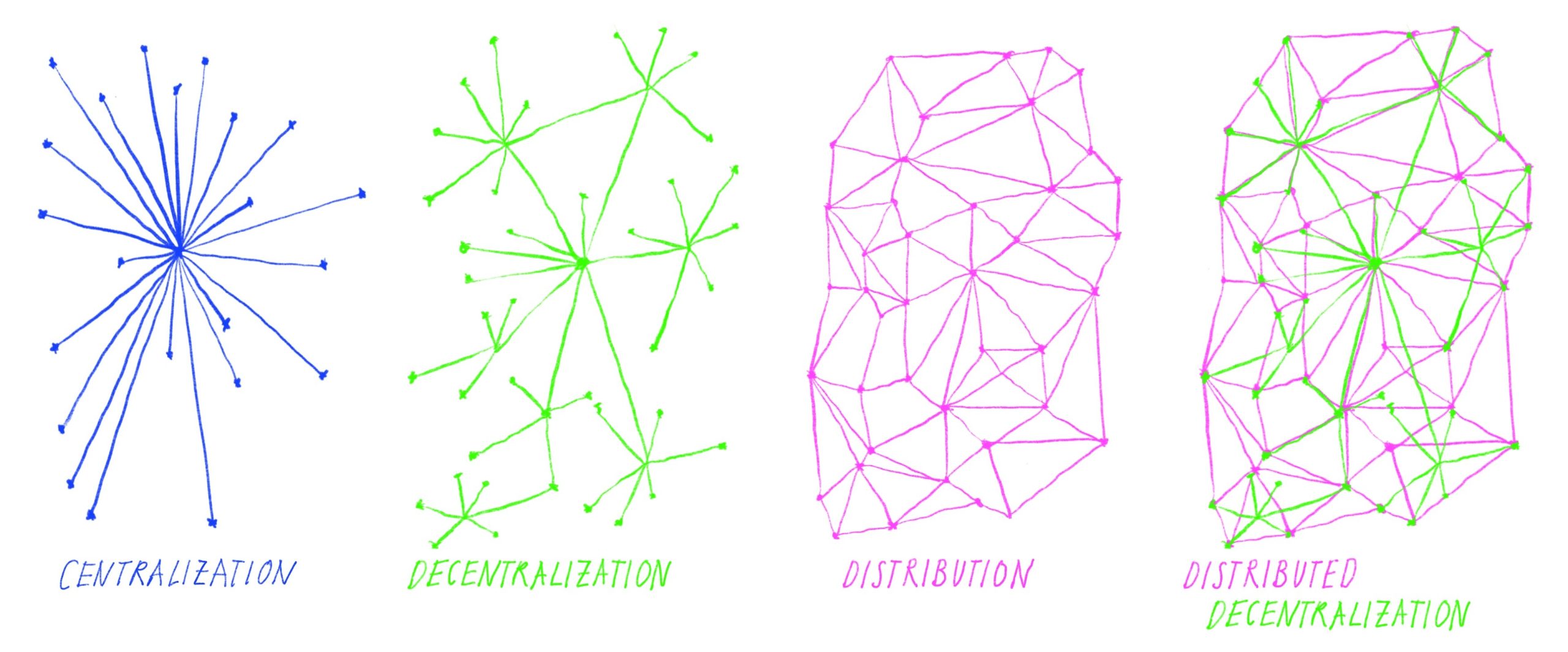
Systemic Resilience over Cost-Cutting: Efficiency is often a proxy for fragility. A highly optimized, just-in-time supply chain governed by AI is efficient until a disruption occurs. Strategic environmental management should prioritize the build-out of resilient, local, and decentralized networks that carry a higher baseline ‘cost’ but significantly lower systemic risk.
The Governance Mandate
If AI is the engine of your operational strategy, governance is the steering wheel. Executives must avoid the ‘Optimization Fallacy’—the belief that because an algorithm is mathematically optimizing for a metric (e.g., energy per unit), it is necessarily contributing to a sustainability goal. These algorithms need guardrails that enforce absolute resource ceilings rather than just relative efficiency targets.
The next generation of high-performing firms will not be defined by their ability to squeeze more output from less energy. They will be defined by their courage to use AI to facilitate ‘degrowth’ in high-impact areas while simultaneously identifying new, low-impact value streams. If your AI strategy doesn’t have a mechanism to say ‘no’ to volume, it isn’t a sustainability strategy; it’s just a more effective way to hit the accelerator.