Graph-Based Zero-Knowledge Proofs for Decentralized Energy Grid
— by
Steven Haynes
Contents
1. Introduction: The nexus of energy decentralization and privacy.
2. Key Concepts: Understanding Zero-Knowledge Proofs (ZKPs) and Graph-Based Data Modeling in Energy Grids.
3. Step-by-Step Guide: Implementing GZKP protocols for Peer-to-Peer (P2P) energy trading.
4. Examples: Real-world application in Smart Microgrids and Carbon Credit Verification.
5. Common Mistakes: Misunderstanding latency, computational overhead, and trust assumptions.
6. Advanced Tips: Scaling with recursive proof composition and batching.
7. Conclusion: The future of privacy-preserving energy markets.
—
Graph-Based Zero-Knowledge Proofs: Securing the Future of Decentralized Energy Systems
Introduction
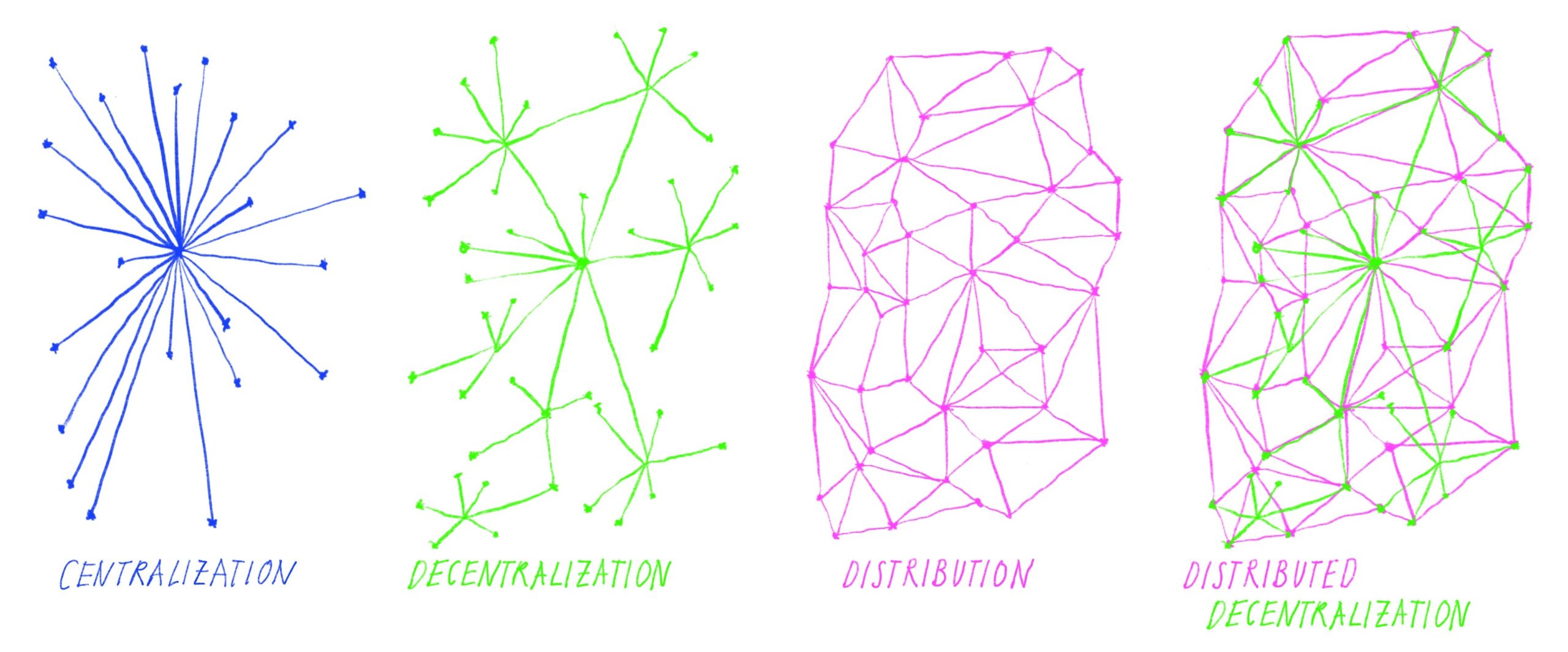
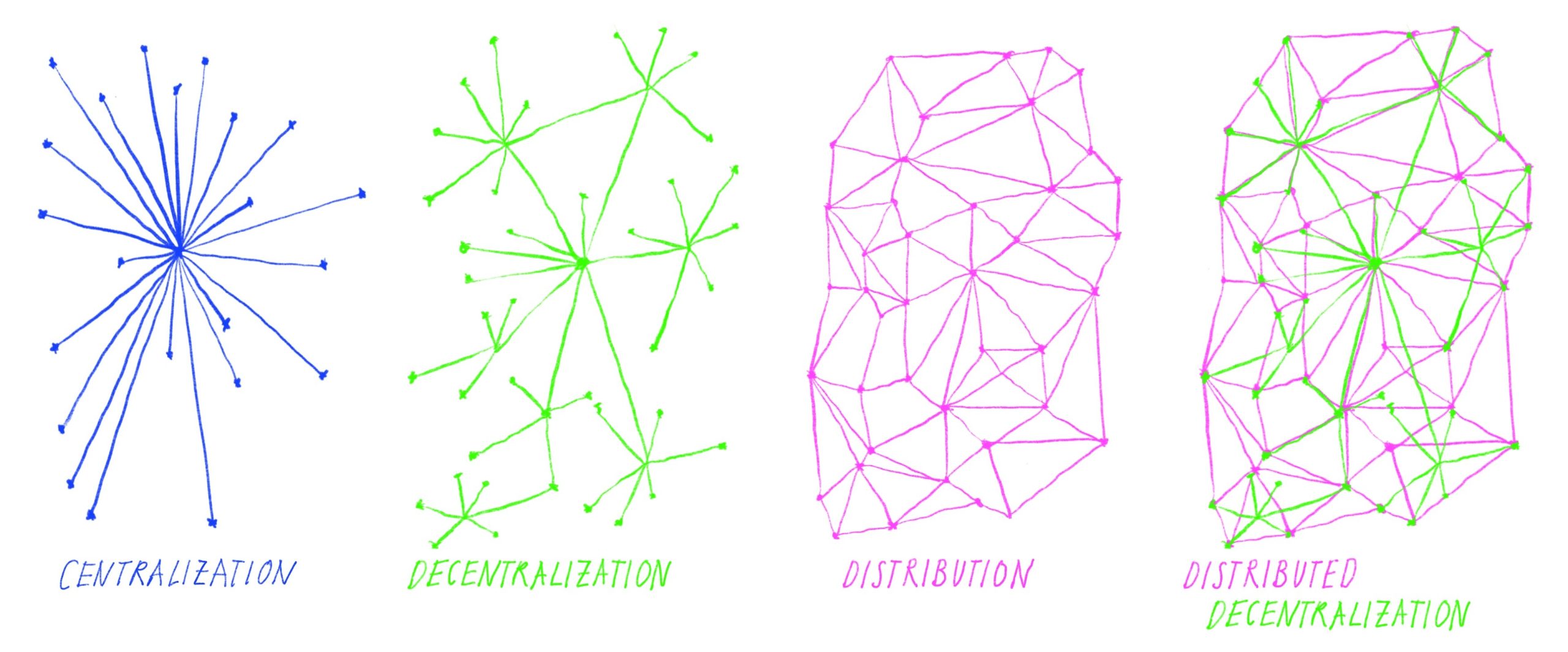
The global energy landscape is undergoing a radical shift. As we transition from centralized, fossil-fuel-dependent grids to decentralized, renewable-rich microgrids, the complexity of data management is skyrocketing. We are moving toward a future where every household with solar panels is a “prosumer”—both a producer and consumer of energy. However, this shift creates a significant tension: how do we facilitate transparent, automated peer-to-peer (P2P) energy trading without compromising the sensitive privacy of individual participants?
Traditional centralized databases are vulnerable to single points of failure and data breaches. Meanwhile, public blockchains offer transparency but fail to provide the confidentiality required for industrial or residential energy consumption profiles. Enter Graph-Based Zero-Knowledge Proofs (GZKPs). This technology allows for the verification of complex energy transactions across a network without revealing the raw data, ensuring the grid remains both secure and private.
Key Concepts
To understand GZKP, we must first break down its two constituent parts: Graph-Based modeling and Zero-Knowledge Proofs.
Graph-Based Modeling: In an energy grid, data is inherently relational. A graph structure represents nodes (producers, consumers, storage units) and edges (the flow of energy or financial value). Unlike linear databases, graph-based models capture the topology of the grid, which is essential for calculating line losses, grid stability, and localized demand-response.
Zero-Knowledge Proofs (ZKPs): A ZKP is a cryptographic method that allows one party (the prover) to prove to another party (the verifier) that a statement is true without revealing the underlying data. In an energy context, a household can prove that their solar output meets a specific contractual threshold or that their carbon footprint is within a set limit, without ever disclosing their actual energy usage patterns, which could reveal when they are home or away.
When combined, Graph-Based Zero-Knowledge Proofs enable the verification of complex, multi-hop energy transactions. The system verifies the validity of the energy flow through the graph topology without the network needing to “see” the individual private consumption data of every node.
Step-by-Step Guide: Implementing GZKP in Microgrids
Define the Circuit Logic: Before implementation, define the “constraints” of your energy system. For example, the sum of energy entering a node must equal the sum of energy exiting plus losses, without revealing the specific values of those flows.
Graph Representation: Map your microgrid into an adjacency matrix or an edge list. Ensure this graph is updated in real-time as nodes join or leave the network.
Commitment Scheme: Use a cryptographic commitment scheme (like a Pedersen commitment) to anchor your energy data. This “locks” the data in a hidden state, allowing you to perform mathematical operations on the commitment rather than the raw number.
Proof Generation: When a transaction occurs, the prover (the energy node) generates a proof that the transaction follows the grid’s protocol rules. This proof uses the graph topology to ensure the transaction path is valid.
Verification: The network nodes or the smart contract on the blockchain receives the proof. Because the proof is mathematically linked to the graph state, the network can verify that the transaction is legitimate without ever decrypting the input data.
Examples and Real-World Applications
Peer-to-Peer Energy Trading: Imagine a neighborhood where neighbors trade excess solar energy. Using GZKPs, a prosumer can sell energy to a neighbor. The system verifies that the seller actually has the energy to sell and that the transaction doesn’t violate grid capacity limits, all without making the seller’s total energy production public to competitors or malicious actors.
Carbon Credit Verification: Companies often need to prove they are using green energy to meet regulatory ESG (Environmental, Social, and Governance) targets. By using GZKPs on an energy graph, a factory can prove that 100% of its electricity consumption originates from renewable sources tracked on the grid, without revealing their proprietary manufacturing schedules or power consumption levels to the public.
The power of GZKP lies in its ability to enforce regulation-by-code. By embedding compliance directly into the cryptographic proof, energy companies can automate auditing processes, significantly reducing the administrative burden of regulatory reporting.
Common Mistakes
Ignoring Computational Overhead: Generating ZKPs is computationally intensive. Attempting to verify every single kilowatt-hour transaction in real-time on a low-power smart meter will fail. Use batching techniques to aggregate transactions before proof generation.
Trusting the “Trusted Setup”: Many ZKP protocols require a “trusted setup” to generate initial parameters. If the participants in this setup collude, they can forge proofs. Always look for “Transparent” ZKP protocols (like STARKs) if you want to avoid this security risk.
Neglecting Graph Topology Changes: A common oversight is failing to update the graph structure in the proof. If the grid topology changes (e.g., a line goes down), the proof must account for this, or the verification will return an error or, worse, validate an impossible transaction.
Advanced Tips
Recursive Proof Composition: If you are managing a large-scale grid, don’t try to prove the entire state in one go. Use recursive proofs, where you generate a proof of a proof. This allows you to verify the integrity of thousands of transactions by verifying a single, compressed “master proof.”
Privacy-Preserving Demand Response: Use GZKPs to participate in demand-response programs. Your smart home can prove to the grid operator that it has reduced its load by X amount during a peak event without revealing which specific appliances were turned off. This protects the homeowner’s lifestyle habits while maintaining grid stability.
Hardware Acceleration: To make GZKP viable for high-frequency energy markets, consider offloading proof generation to dedicated hardware, such as FPGAs or ASICs, specifically designed for cryptographic operations. This bridges the gap between high-security requirements and the need for sub-second latency.
Conclusion
Graph-Based Zero-Knowledge Proofs represent a foundational shift in how we manage decentralized energy systems. By decoupling the necessity for verification from the necessity for data exposure, we can build energy grids that are both hyper-efficient and fundamentally private.
As microgrids continue to proliferate, the ability to prove compliance, verify trades, and ensure stability without central authority will become the competitive advantage of the energy sector. Whether you are a utility provider looking to optimize grid management or a developer building the next generation of P2P energy platforms, mastering GZKPs is no longer optional—it is the architecture of the future grid.



Leave a Reply