1. Introduction: Redefining prosperity beyond the accumulation of goods. 2. Key Concepts: Defining the “Energy-Consumption Nexus” and the hidden costs of consumerism (embodied energy). 3. Step-by-Step Guide: Transitioning to a low-energy, high-utility lifestyle. 4. Examples/Case Studies: The “Library of Things” model and the resurgence of the circular economy. 5. Common Mistakes: The fallacy of “green consumption” and the Jevons Paradox. 6. Advanced Tips: Systems thinking and shifting from ownership to access. 7. Conclusion: The path toward sustainable autonomy.
***
The Energy of Enough: How Reducing Consumerism Shrinks Your Carbon Footprint
Introduction
For decades, modern economic success has been measured by a simple metric: consumption. We have been conditioned to believe that a high quality of life is synonymous with the constant acquisition of new goods. Yet, as global energy demands soar and environmental constraints become impossible to ignore, this model is reaching a breaking point. The shift away from consumerism is not merely a lifestyle trend or an exercise in asceticism; it is a fundamental strategy for reducing the total energy footprint of our civilization.
Every item we purchase carries a hidden history of energy expenditure—from the extraction of raw materials to the manufacturing, shipping, and eventual disposal of the product. By decoupling personal satisfaction from the act of shopping, we can achieve a significant reduction in our individual energy impact while simultaneously reclaiming time and financial freedom. This article explores how moving away from the consumerist cycle is one of the most potent tools we have for energy conservation.
Key Concepts
To understand why reducing consumerism is a climate imperative, we must look at the embodied energy of our possessions. Embodied energy refers to the total sum of energy required to create a product, including the energy used to harvest raw materials, process them into components, assemble the final product, and transport it to the retail floor.
When you purchase a new smartphone, you aren’t just paying for the device; you are paying for the massive energy expenditure of mining rare earth minerals, the high-heat processes of semiconductor fabrication, and the global logistics network that moved that device to your doorstep. This energy is “sunk” into the product the moment you buy it. Even if you never use the device, that energy has already been pulled from the grid or burned as fossil fuels.
The Energy-Consumption Nexus describes the direct correlation between the volume of material throughput in an economy and the amount of energy required to sustain it. When we reduce our demand for new products, we signal a reduction in the need for industrial production. This is known as “demand-side energy reduction.” Unlike supply-side changes, which focus on how we generate energy (solar vs. coal), demand-side reduction addresses why we need so much energy in the first place.
Step-by-Step Guide
Transitioning away from a consumer-driven lifestyle requires a systematic approach to how you interact with your environment. Follow these steps to begin lowering your energy footprint.
Audit Your “Hidden” Inventory: Take an honest inventory of the items you own that are currently sitting idle. Research suggests that the average household owns thousands of items, many of which are used less than once a month. Recognizing that you already possess the tools to meet most of your needs is the first step in curbing the impulse to acquire more.
Adopt the “30-Day Rule”: Before making any non-essential purchase, wait 30 days. Most impulses are driven by momentary dopamine spikes. By waiting, you allow the urgency to fade, often realizing that the item was not necessary to your daily function or well-being.
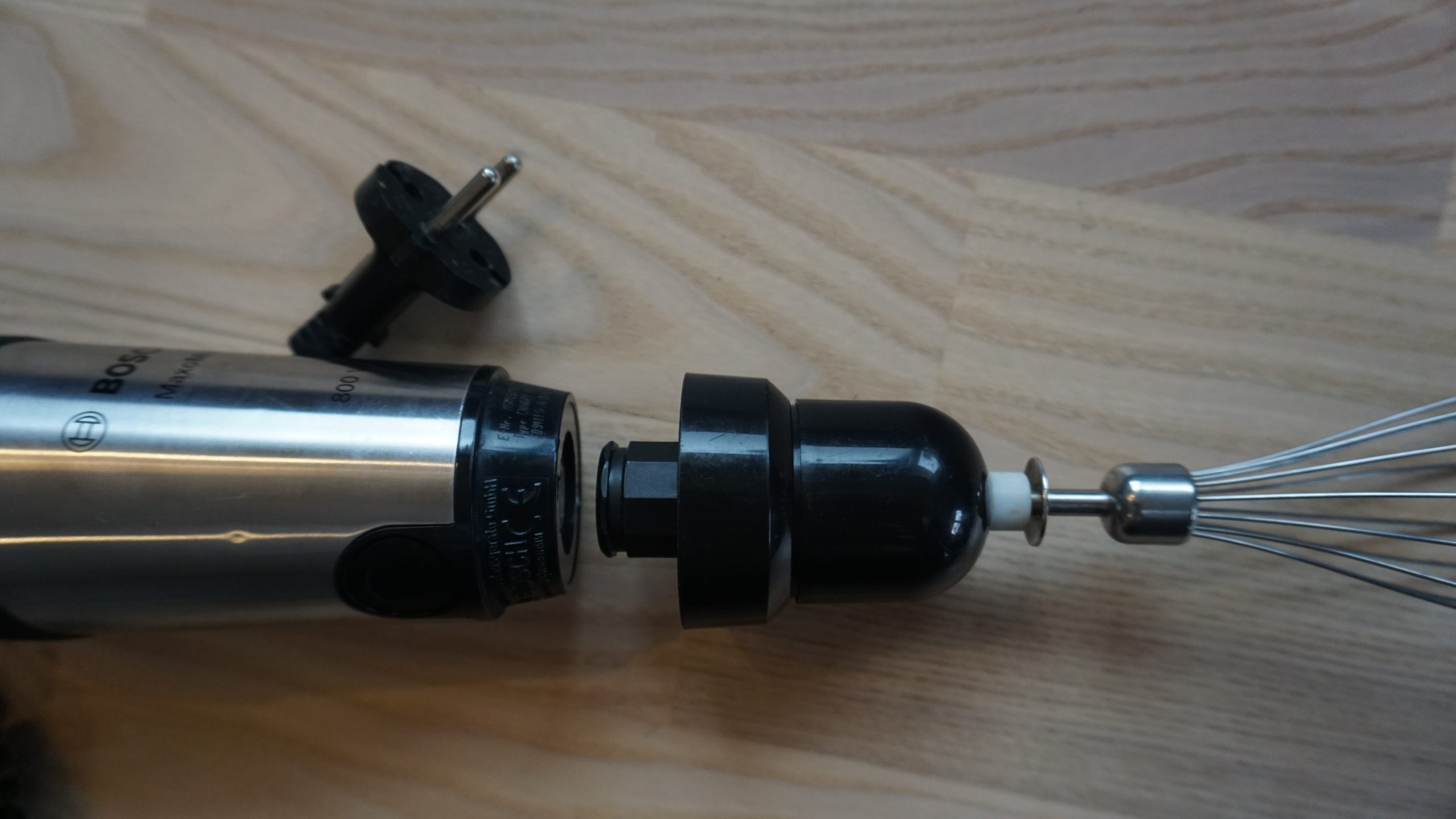
Prioritize Durability over Cost: When you truly need an item, shift your criteria from “lowest price” to “highest repairability.” Products designed for longevity—like mechanical tools, high-quality furniture, or modular electronics—cost more upfront but carry a lower lifetime energy cost because they don’t need to be replaced every few years.
Seek Access Over Ownership: If you only need a tool for a specific task—such as a power washer, a carpet cleaner, or specialized camping gear—rent or borrow it. Access-based consumption minimizes the total number of items manufactured, significantly reducing the aggregate energy demand of your community.
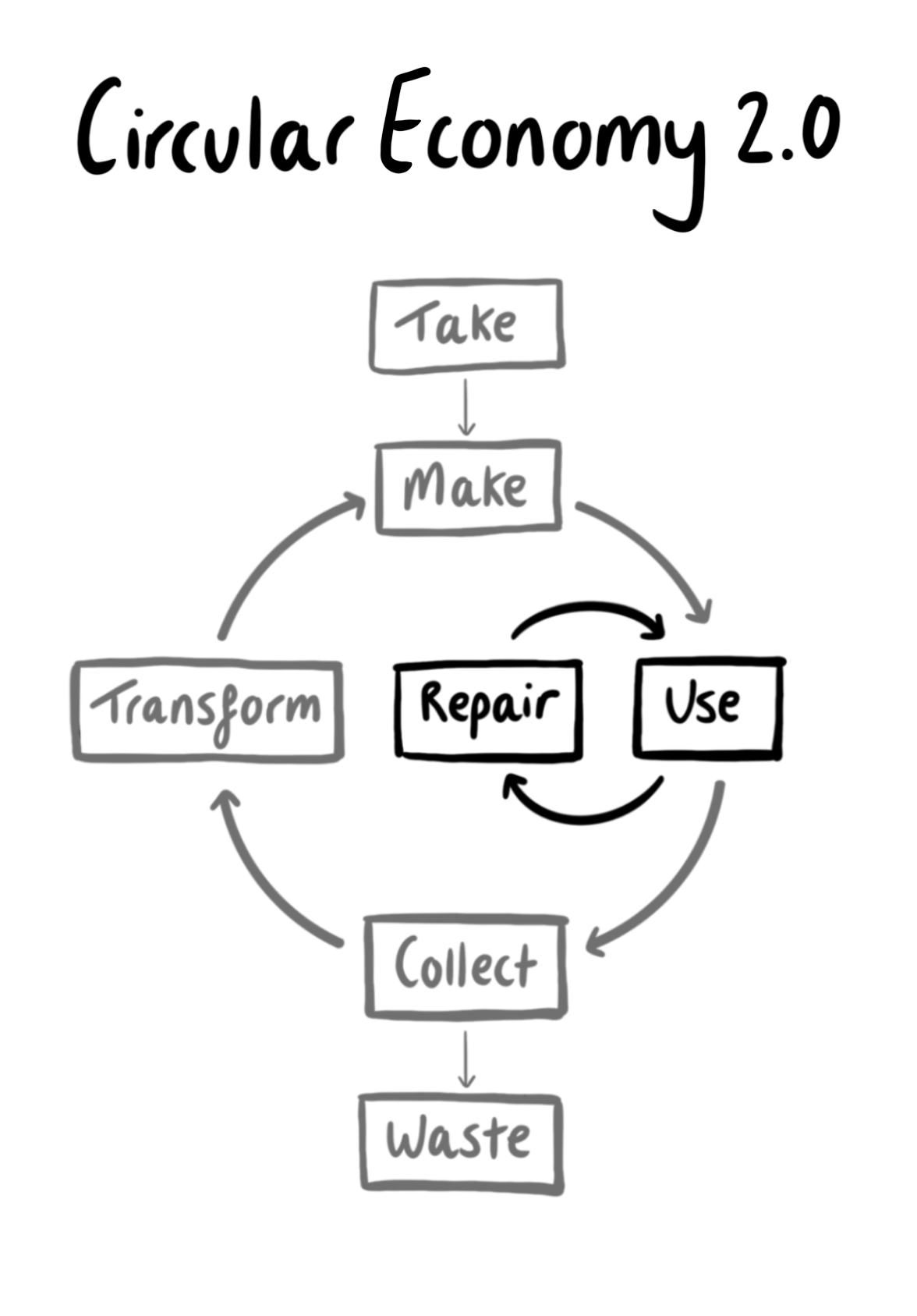
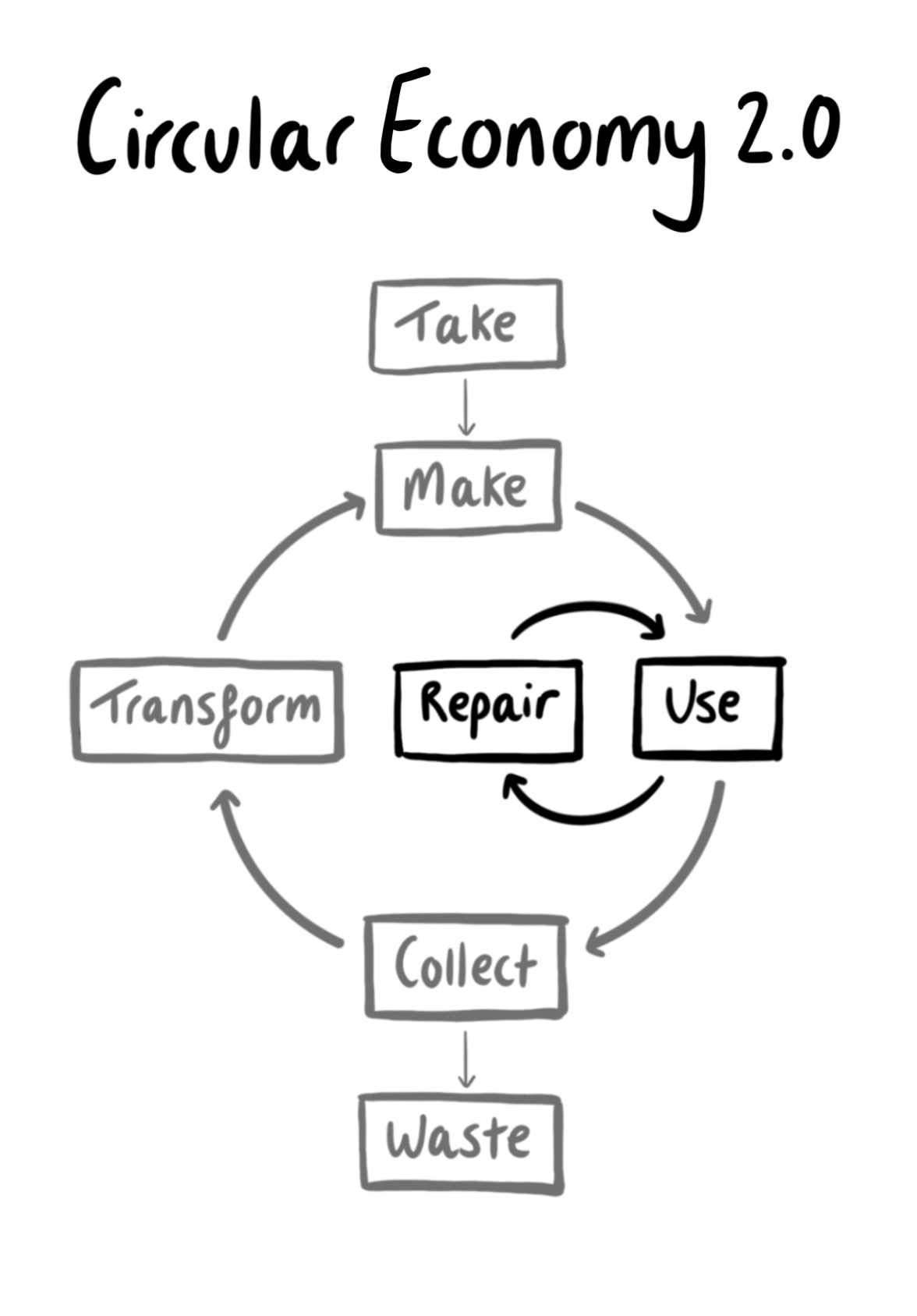
Close the Loop: When an item reaches the end of its life, ensure it enters a circular economy path rather than a landfill. Repair, repurpose, or recycle. By keeping materials in use, you reduce the energy demand for virgin resource extraction.
Examples or Case Studies
The most successful examples of energy reduction through reduced consumerism are found in the rise of the Library of Things. These are community-based organizations where members can check out items like kitchen appliances, sewing machines, and power tools. By sharing these assets, a single drill might serve 50 households, replacing the need for 50 individual drills to be manufactured, packaged, and shipped. This represents a massive reduction in embodied energy for that community.
Another real-world application is the “Buy It For Life” (BIFL) movement. Communities centered around high-quality, long-lasting goods have proven that investing in a single, high-quality item—such as a cast-iron skillet or a rugged, resoleable boot—drastically lowers the individual’s energy footprint over a decade compared to the constant replacement of low-quality, “fast-fashion” or “fast-retail” alternatives.
Common Mistakes
Even well-intentioned efforts to reduce energy footprints can be undermined by common logical fallacies.
The Fallacy of “Green Consumption”: Many consumers believe they can shop their way to sustainability by buying “eco-friendly” products. However, buying a new, energy-efficient gadget is almost always more energy-intensive than continuing to use an older, less-efficient one until it is truly broken. The most sustainable product is the one you already own.
The Jevons Paradox: This occurs when technological progress increases the efficiency with which a resource is used, but the rate of consumption of that resource rises due to increasing demand. For example, if you save money by buying less, don’t spend those savings on high-energy activities like long-haul flights or luxury goods. Efficiency gains must be directed toward savings, not increased consumption.
Underestimating the “Rebound Effect”: This is the tendency for people to use more energy when they feel they have “saved” it elsewhere. If you switch to energy-efficient appliances, be careful not to justify leaving them on longer or buying more of them, which effectively nullifies the energy savings.
Advanced Tips
To deepen your impact, look toward Systems Thinking. Start viewing your household as a node in a larger energy network. When you choose to repair a toaster, you aren’t just saving money; you are preventing the triggering of a manufacturing supply chain that spans continents and consumes vast amounts of fossil fuel electricity.
Another advanced strategy is to de-link social status from material wealth. Consumerism is often fueled by the desire for social signaling. By cultivating communities where value is placed on skills, experiences, and social contribution rather than luxury goods, you remove the psychological driver for unnecessary consumption. This shift in mindset is the most powerful way to achieve a long-term reduction in your personal energy footprint.
Conclusion
The shift away from consumerism is a transition from a passive, consumption-based identity to an active, utility-based one. By focusing on the durability of the items we own, prioritizing access over ownership, and recognizing the massive embodied energy behind every retail transaction, we can drastically lower our individual and collective energy footprints.
Reducing your energy footprint through lower consumption is not about living a life of deprivation; it is about living a life of intentionality. It is the realization that true abundance is found not in the volume of what we possess, but in the utility, longevity, and meaning we derive from the things we choose to keep in our lives. By consuming less, we create the space—both physical and energetic—for a more sustainable and fulfilling future.