The ionosphere is not merely a layer of gas; it is a critical piece of global infrastructure. Ionospheric modification—the intentional alteration of the ionosphere’s electron density and temperature—represents a frontier where physics meets high-stakes decision-making. While often relegated to the fringes of science fiction, the capability to manipulate the upper atmosphere is a reality of modern electromagnetics. For leaders, understanding this technology is less about the mechanics of radio waves and more about recognizing the volatility of high-altitude operational environments.
When we discuss the modification of the ionosphere, we are talking about the ultimate form of signal leverage. By heating specific regions of the ionosphere using high-frequency radio waves, researchers can create localized disturbances. These disturbances can either enhance or degrade long-distance communication, surveillance systems, and satellite-based navigation. From a strategic perspective, the ability to control the medium through which information travels is equivalent to controlling the battlefield itself.
Operational Implications of Electromagnetic Manipulation
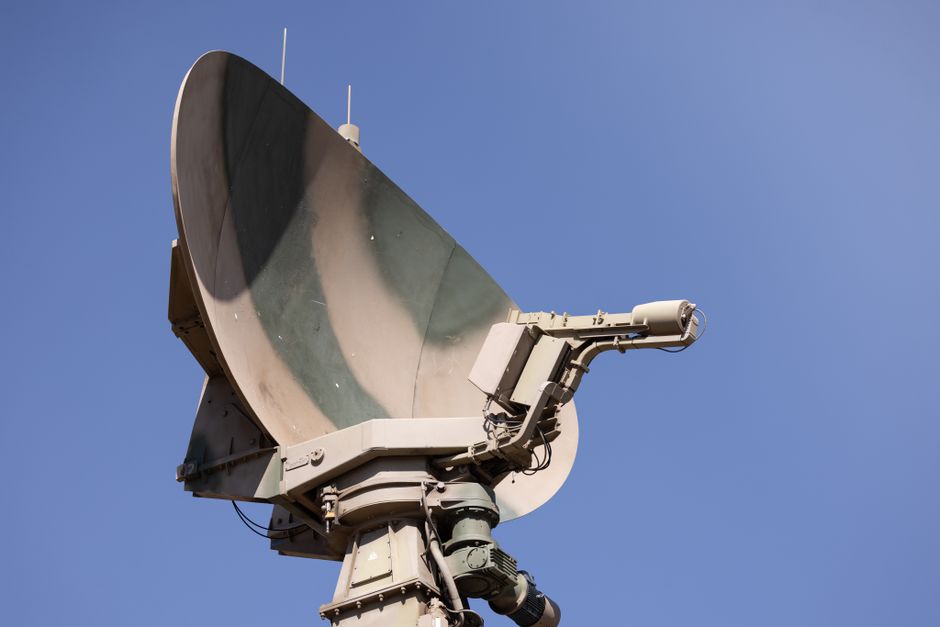
The primary mechanism for ionospheric modification involves High-frequency Active Auroral Research Programs (HAARP) or similar facilities. These sites operate by focusing beams of energy into the ionosphere, inducing subtle changes in conductivity. The goal is rarely to create weather events, but rather to influence the propagation of electromagnetic waves. In terms of operational excellence, this allows for the creation of “blind spots” or “transmission corridors” that are invisible to the uninitiated.
Leaders must recognize that this is an invisible layer of risk. Just as a CEO monitors market fluctuations, defense strategists must monitor the state of the ionosphere. If a communication network fails, the cause may not be a hardware malfunction or a software bug; it may be the result of a deliberate, invisible environmental shift. This necessitates a shift in high-performance thinking: moving from reactive troubleshooting to preemptive environmental awareness.
The Ethics of Environmental Hegemony
The push toward controlling large-scale environmental systems creates a complex ethical dilemma. When an entity modifies the ionosphere, it does not do so in a vacuum. The atmosphere is a shared global resource. Any attempt to manipulate it for localized advantage risks unintended consequences that could degrade the reliability of global telecommunications or GNSS (Global Navigation Satellite System) performance for everyone.
Effective leadership requires the foresight to evaluate the long-term systemic impact of such power. History is littered with examples of organizations that pushed for short-term tactical advantages, only to create long-term strategic vulnerabilities. True strategy involves calculating the cost of environmental disruption against the benefit of signal control. If the integrity of the ionosphere is compromised, the cost to global commerce and defense may far outweigh any temporary tactical gain.
Integrating Science into Strategic Execution
For those managing complex systems, the lesson of ionospheric modification is one of humility. We operate within systems that are far more sensitive than our current models suggest. Whether dealing with atmospheric physics or organizational culture, the variables we choose to “modify” often have cascading effects that are difficult to predict or contain.
To maintain control, one must prioritize data fidelity. Relying on outdated models of the ionosphere is no different than relying on an outdated business plan in a disruptive market. The future belongs to those who invest in superior observability. By integrating real-time environmental monitoring with robust contingency planning, leaders can ensure that even when the environment is intentionally or accidentally modified, their operations remain resilient.