
The Architecture of Influence: Mastering Multi-Layered Communication for High-Stakes Stakeholders
Introduction
In high-stakes environments—whether you are presenting a cybersecurity overhaul to a board of directors, pitching a multi-million dollar capital project, or navigating a regulatory crisis—the primary cause of failure is rarely the quality of the work. It is the quality of the translation. Information asymmetry is the silent killer of strategic initiatives. When technical experts provide raw data to executives, or when high-level visionaries provide abstract goals to engineers, the resulting friction creates a bottleneck that stalls progress.
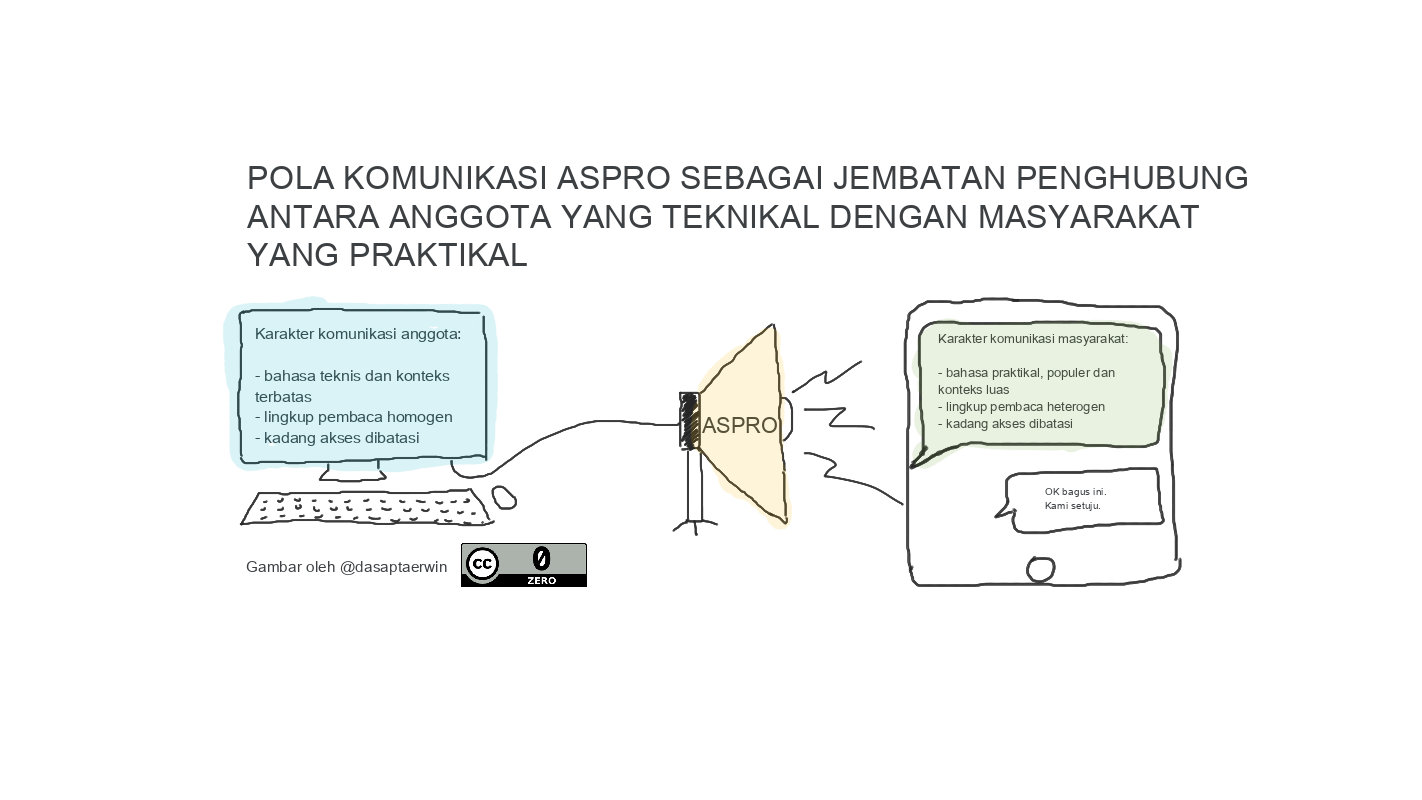
Stakeholders possess different mental models, priorities, and risk thresholds. A “one-size-fits-all” presentation is, by definition, a failure to communicate. To gain buy-in, move projects forward, and maintain credibility, you must master the art of multi-layered communication. This is not about “dumbing down” information; it is about distilling it into the specific value propositions that different roles require to make informed decisions.
Key Concepts: The Three Tiers of Stakeholder Needs
To effectively manage high-stakes stakeholders, you must categorize your audience into three functional tiers. Each tier requires a different depth of detail, focus, and narrative structure.
1. The Strategic Tier (The “What” and “Why”): This tier includes C-suite executives and board members. They are focused on capital allocation, risk mitigation, competitive advantage, and long-term viability. They do not need to know how the machine works; they need to know if the machine will make them money or keep the company out of litigation.
2. The Tactical Tier (The “How” and “When”): This tier includes project managers, department heads, and functional leads. Their concern is resource optimization, cross-functional dependencies, and timeline adherence. They are the bridge between strategy and execution.
3. The Operational Tier (The “How Much” and “What Exactly”): This tier includes the boots-on-the-ground engineers, developers, or specialists. They need granular specifications, technical requirements, and immediate constraints. They are the architects of the solution.
The core of multi-layered communication is the ability to maintain a single “source of truth” while refactoring the delivery mechanism for each specific audience.
Step-by-Step Guide: Implementing a Multi-Layered Communication Strategy
- Map Your Stakeholder Landscape: Before creating a single slide or document, map every decision-maker to their primary concern. Ask yourself: “What is this person’s KPI (Key Performance Indicator)?” If it’s not on their scorecard, it’s not a priority for them.
- The Executive Summary First (The Inverted Pyramid): Start with the conclusion. In high-stakes fields, the most important information must come first. Use the inverted pyramid method: State the recommendation, the cost/benefit analysis, and the required action immediately.
- Develop a “Glossary of Value”: Identify the core technical concepts of your project and translate them into the language of the business. For example, instead of explaining “latency reduction” to a CFO, explain “improving transactional throughput to increase revenue velocity.”
- Create Role-Based Artifacts: Prepare your information in three distinct formats: a one-page “Executive Brief” (Strategic), a Gantt-chart-heavy “Project Status Report” (Tactical), and an “Implementation Handbook” (Operational).
- Iterative Feedback Loops: Validate your narrative. Present the draft of your strategic message to a trusted peer in a different department. If they don’t grasp the “why” within 30 seconds, you are still too deep in the weeds.
Examples and Case Studies
The Cybersecurity Upgrade Case
Imagine a CISO (Chief Information Security Officer) requesting a $2M budget for a new Zero Trust architecture.
- To the CEO: “This investment reduces our catastrophic cyber-risk exposure by 40%, preventing potential regulatory fines of up to 5% of annual revenue and protecting our brand equity against a market-impacting breach.”
- To the IT Manager: “We are shifting from perimeter-based security to identity-aware access. This will require migrating our current LDAP structure to the new cloud-native IDP. We need to schedule the cutover during the Q3 maintenance window to avoid downtime.”
- To the SysAdmins: “Here is the API documentation for the new authentication gateway. We need to script the user migration and ensure all legacy subnets are bridged before the cutover date.”
Each stakeholder received the exact information needed to fulfill their role in the approval and implementation of the project.
Common Mistakes to Avoid
- The “Expert’s Curse”: Assuming your audience has the same context or technical background as you. This leads to jargon-heavy presentations that alienate decision-makers.
- Ignoring Risk Appetites: Failing to highlight risks in the language the stakeholder understands. A legal stakeholder cares about “liability,” while a marketing stakeholder cares about “public perception.” Using the wrong risk framework will cause unnecessary friction.
- Over-Documentation: Providing 50 pages of documentation when a one-page summary would suffice. In high-stakes fields, silence and brevity are often interpreted as confidence and clarity.
- Inconsistent Messaging: Changing the “What” when moving between layers. While the “How” and “Why” change, the core strategic outcome must remain consistent to avoid accusations of dishonesty or confusion.
Advanced Tips for High-Stakes Influence
Master the “Pre-wire” Technique: Never walk into a high-stakes meeting where a major decision is required without having discussed the proposal with key stakeholders one-on-one. Use these meetings to refine your “layering.” Ask: “From your perspective, what is the biggest risk I’m missing?” Their answer will help you tailor your final presentation to address their specific concerns proactively.
Visualize Complexity: Use high-level architectural diagrams for leadership that emphasize flow and business value, while using technical schematics for the operational teams. A well-designed visual is often the only thing a time-pressed stakeholder will actually remember.
Quantify the “Cost of Inaction”: In high-stakes environments, the status quo is a competitor. Always frame your proposal in terms of what happens if the project doesn’t move forward. Use financial modeling or historical incident data to ground your argument in reality.
Conclusion
Success in high-stakes fields is rarely determined by the complexity of the solution, but by the effectiveness of the communication surrounding it. By segmenting your stakeholders and consciously tailoring your message to their specific professional roles, you transform from a technical expert into a strategic partner.
Remember that communication is a skill that requires as much engineering and precision as your core technical work. Practice the art of the inverted pyramid, prioritize the “Why” over the “How” for leadership, and ensure your message is always anchored in the tangible outcomes that your stakeholders care about most. When you speak the language of those you lead, you stop merely delivering information and start driving meaningful, long-term change.
Further Reading





One thought on “Stakeholders in high-stakes fields require multi-layered explanations tailored to their specific professional roles.”