Smart Cities Energy Management: Real-Time Efficiency Guide
— by
Steven Haynes
Outline
Introduction: Defining the real-time energy revolution in smart cities.
Key Concepts: IoT, Smart Grids, and Edge Computing.
Step-by-Step Guide: How cities deploy real-time energy management systems.
Real-World Applications: Success stories from cities like Singapore and Copenhagen.
Common Mistakes: Data silos, cybersecurity vulnerabilities, and scalability issues.
Advanced Tips: Integrating AI predictive modeling and decentralized energy resources (DERs).
Conclusion: The future of sustainable urban living.
The Future of Urban Efficiency: How Smart Cities Manage Energy in Real-Time
Introduction
Modern cities are currently consuming over two-thirds of the world’s energy, a figure that continues to climb as populations migrate to urban centers. Traditional power grids, designed for a one-way flow of electricity, are struggling to keep pace with the dynamic demands of the 21st century. The solution lies in smart city infrastructure—a sophisticated, interconnected network capable of monitoring and adjusting energy consumption patterns in real-time.
This is not a futuristic concept; it is a current necessity. By leveraging sensors, data analytics, and autonomous control systems, smart cities are transforming from passive consumers of electricity into active, efficient, and sustainable ecosystems. For residents, business owners, and city planners, understanding this shift is the first step toward participating in a more resilient urban future.
Key Concepts
To understand how smart cities manage energy, we must look at the three pillars of this infrastructure: the Internet of Things (IoT), Smart Grids, and Edge Computing.
The Internet of Things (IoT): This refers to the network of physical objects—streetlights, traffic sensors, building management systems, and smart meters—embedded with sensors and connectivity. These devices act as the “nervous system” of the city, constantly reporting data on energy usage, occupancy, and environmental conditions.
Smart Grids: Unlike legacy grids, smart grids are digital. They allow for a two-way flow of electricity and information. When a building generates excess solar power, the smart grid detects this and can redistribute that energy to a nearby facility that needs it, minimizing waste and transmission loss.
Edge Computing: Real-time adjustments require split-second decision-making. Edge computing moves data processing closer to the source—at the device level—rather than sending every bit of data to a central cloud. This reduces latency, allowing a smart streetlight to dim itself the moment it detects no movement on a street, without needing a command from a central server.
Step-by-Step Guide
Deploying a real-time energy management infrastructure is a complex engineering feat. Here is the operational process that municipalities typically follow to achieve a responsive energy loop.
Comprehensive Sensor Deployment: The city installs IoT-enabled meters and sensors across critical infrastructure, including public buildings, street lighting, and utility substations to create a baseline of energy consumption data.
Data Integration and Normalization: Raw data from disparate sources is funneled into a centralized “City Brain” or Urban Operations Center. This platform normalizes the data, ensuring that an air-conditioning unit in a library and a traffic light on a major highway speak the same digital language.
Predictive Modeling: Using historical data and real-time weather forecasts, AI algorithms predict energy spikes. For example, if a heatwave is forecasted, the system pre-cools public buildings during off-peak hours when electricity is cheaper.
Automated Load Balancing: The system automatically adjusts energy consumption across the city. This could involve dimming streetlights, cycling HVAC systems in municipal buildings, or signaling electric vehicle (EV) charging stations to slow down during peak grid stress.
Feedback Loops and Optimization: The system continuously monitors the impact of its adjustments. If a specific change causes discomfort or operational failure, the AI learns from the incident to refine future decision-making.
Examples and Case Studies
Several global cities have already implemented components of this infrastructure with tangible results.
Singapore’s “Virtual Singapore”: This is a dynamic 3D city model that uses real-time data to simulate energy consumption. The city uses this to test the impact of new building designs on natural ventilation and solar energy potential, allowing them to optimize energy usage before a single shovel hits the dirt.
Copenhagen’s EnergyLab Nordhavn: This district acts as a living laboratory for a smart energy system. It integrates electricity, district heating, and cooling systems with an electric transport system. By using the thermal mass of buildings as a “battery,” the city can store heat when energy is abundant and release it when demand is high, effectively balancing the grid in real-time.
Common Mistakes
When cities attempt to transition to smart energy systems, they often encounter significant hurdles that can undermine the project’s success.
Creating Data Silos: Different departments—such as transit, public works, and utilities—often operate on proprietary software. If these systems cannot communicate, the city cannot achieve a holistic view of energy consumption.
Ignoring Cybersecurity: As cities become more connected, they become larger targets for cyberattacks. A system that can control the power grid is a major security risk if not protected by end-to-end encryption and rigorous access controls.
Underestimating User Privacy: Granular energy data can reveal intimate details about the daily lives of residents. Failing to implement robust data anonymization protocols can lead to public distrust and legal challenges.
Scalability Issues: Designing a system that works for a small pilot project is vastly different from scaling it to a metropolitan level. Systems must be built with modular, open-standard architecture from the outset.
Advanced Tips
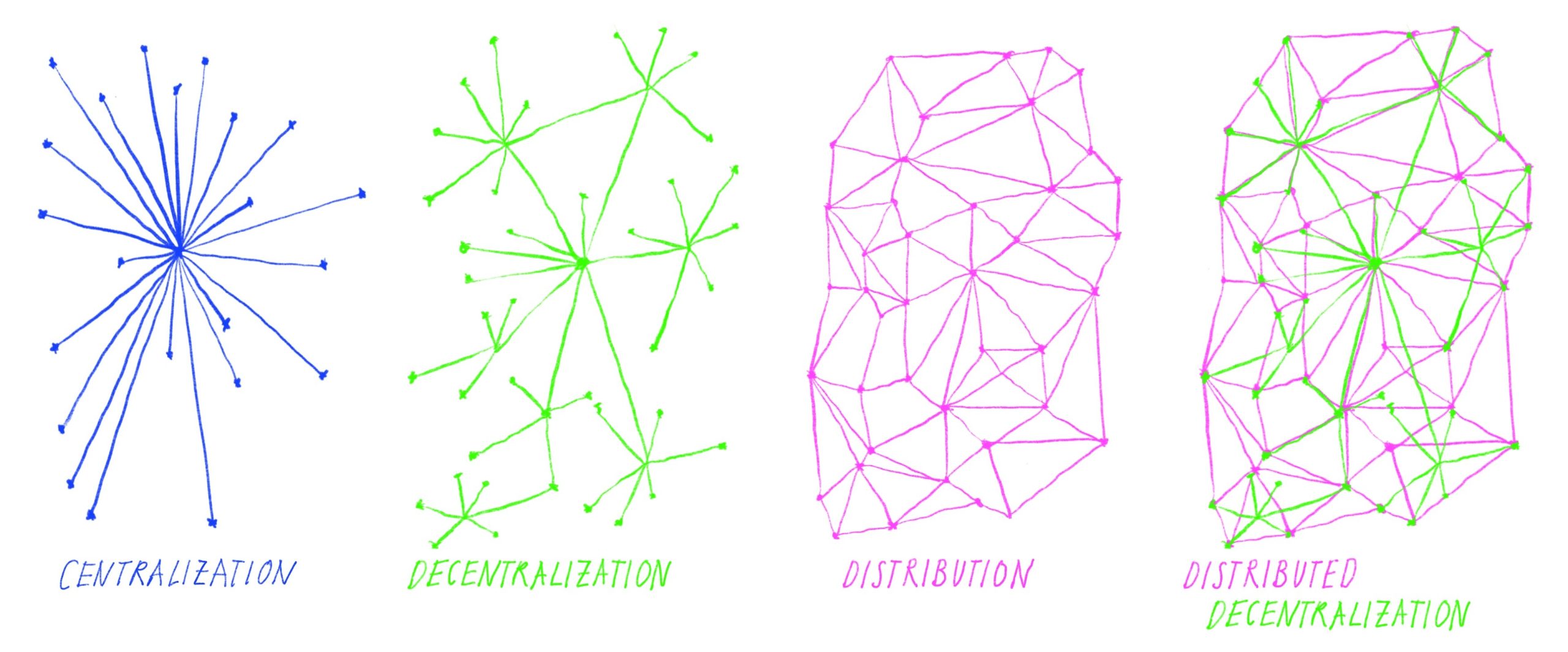
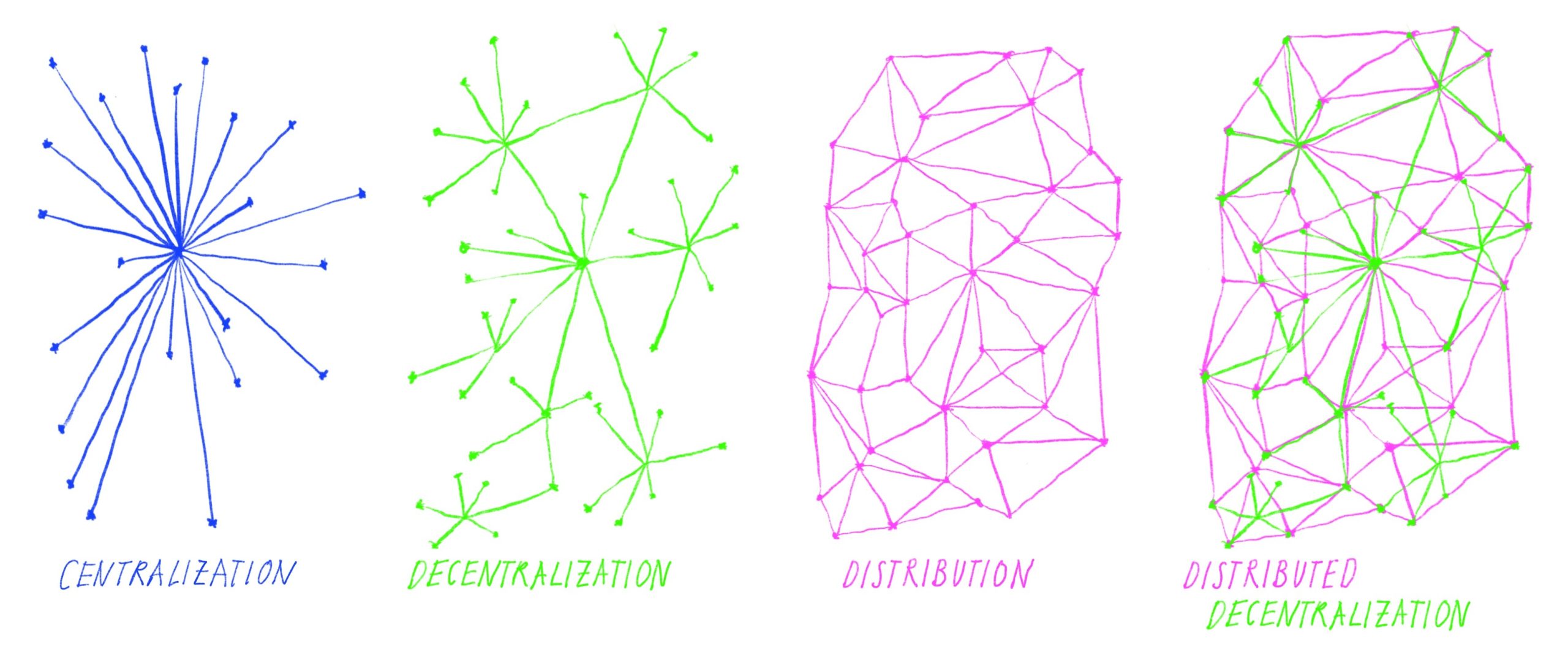
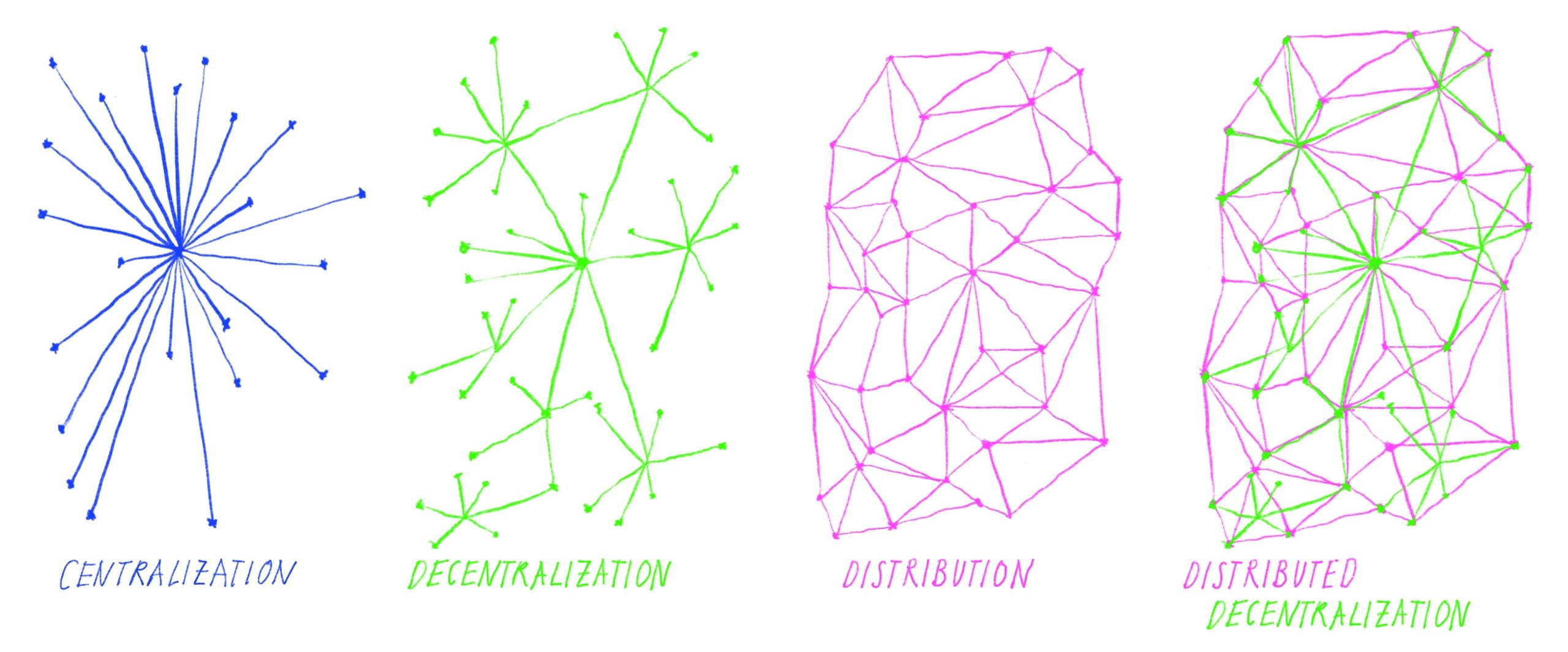
For city planners and stakeholders looking to move beyond basic automation, the focus should shift toward decentralized energy and demand-response incentivization.
Leveraging Decentralized Energy Resources (DERs): Encourage the adoption of localized renewable energy, such as residential solar panels and community battery storage. A smart grid should treat these households not just as consumers, but as “prosumers” who can feed energy back into the grid when needed.
Dynamic Demand-Response Incentives: Instead of relying solely on automated control, cities can use real-time pricing to influence behavior. By providing residents with apps that show real-time energy costs, the city can incentivize people to run high-energy appliances when grid demand is low, effectively “crowdsourcing” load management.
“The ultimate goal of a smart city is not just to be efficient, but to be resilient. By decentralizing energy management and utilizing real-time data, we can create urban environments that can withstand extreme weather and energy fluctuations without sacrificing the quality of life for their citizens.”
Conclusion
Smart city infrastructure that monitors and adjusts energy consumption in real-time is the backbone of the sustainable urban future. By moving away from reactive, manual systems toward proactive, automated, and interconnected digital grids, cities can significantly reduce their carbon footprint while lowering operational costs.
While the challenges of cybersecurity and data integration are real, they are not insurmountable. The transition requires a collaborative effort between technology providers, urban planners, and the public. As we continue to integrate these systems, the cities of tomorrow will not just consume energy—they will manage it with the precision and intelligence required to sustain our growing urban populations.
The Behavioral Architecture of the Smart Grid: Why Energy Efficiency Is a Human Challenge – TheBossMind
[…] overlook the most volatile variable in the smart grid: the human inhabitant. As explored in this real-time energy management guide, the technical infrastructure for a sustainable city is rapidly maturing. However, a grid is only […]




Leave a Reply