Outline:1. Introduction: The “Oracle Problem”—why smart contracts are isolated and why it matters.2. Key Concepts: Defining decentralized oracles, the role of consensus, and how they bridge the gap between off-chain data (IoT/Sensors) and on-chain logic.3. Step-by-Step Guide: Implementing a decentralized oracle network for an IoT use case.4. Real-World Applications: Supply chain transparency, parametric insurance, and smart grid energy trading.5. Common Mistakes: Centralization risks, latency issues, and data quality assurance.6. Advanced Tips: Cryptographic proofs, reputation systems, and node aggregation.7. Conclusion: The future of the “connected” blockchain ecosystem.***
Bridging the Physical and Digital: The Role of Decentralized Oracles in IoT
Introduction
Smart contracts are the engines of the decentralized web, but they suffer from a fundamental limitation: they are “blind.” By design, blockchains are deterministic, isolated environments. They cannot inherently “see” the outside world. They don’t know the temperature of a shipping container, the current price of a commodity, or whether a specific industrial sensor has been triggered.
This limitation is known as the “Oracle Problem.” If a smart contract relies on a single, centralized data feed to determine its outcome, it creates a single point of failure—the exact antithesis of blockchain’s value proposition. Decentralized oracles solve this by aggregating data from multiple independent nodes, ensuring that the information injected into your smart contract is tamper-proof, accurate, and verifiable. As we integrate more IoT devices and environmental sensors into our infrastructure, decentralized oracles are no longer optional; they are the essential bridge between physical reality and digital automation.
Key Concepts
To understand decentralized oracles, you must first understand the relationship between off-chain data and on-chain execution. An oracle is simply a service that provides external data to a smart contract. However, a centralized oracle is a security vulnerability—if the data source is hacked or manipulated, the smart contract executes an incorrect action.
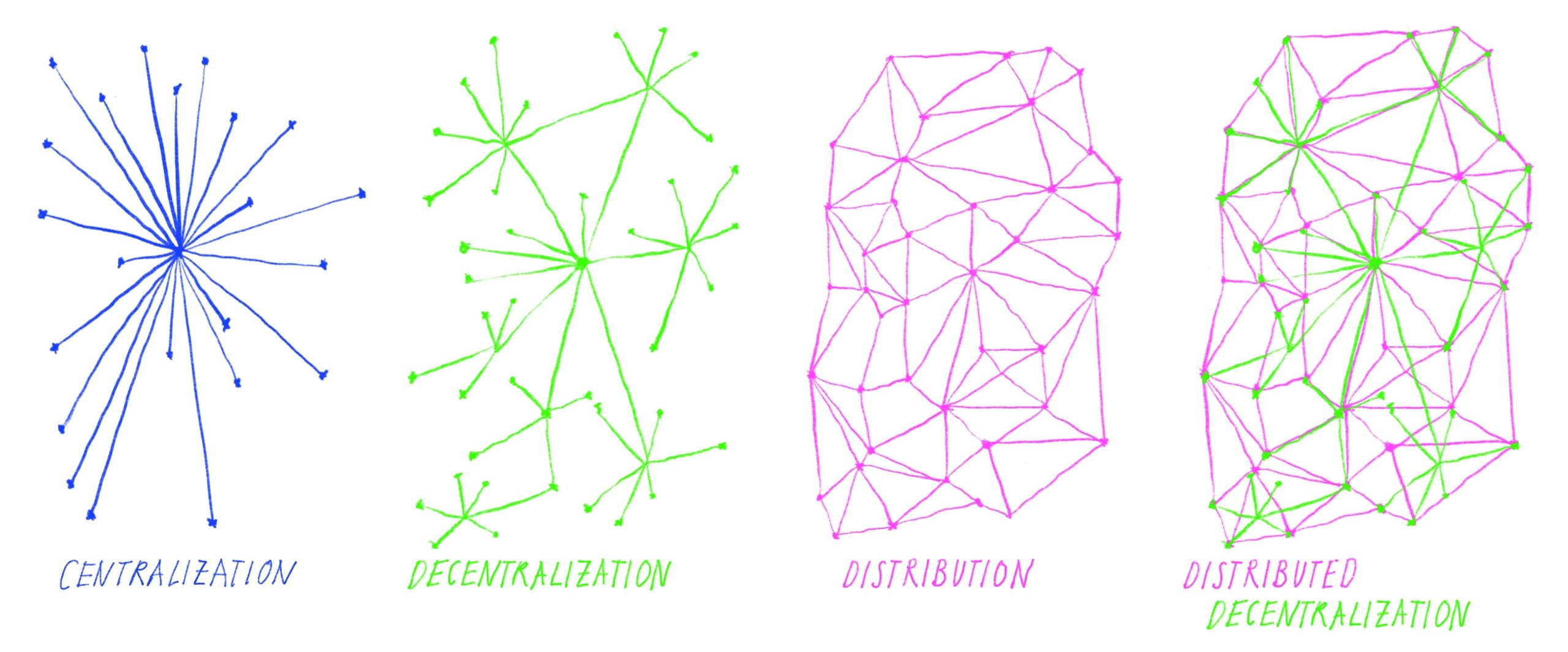
Decentralized Oracle Networks (DONs) solve this by utilizing a network of independent nodes. Instead of one source, the network fetches data from multiple APIs or IoT sensors, reaches a consensus (often through a weighted average or median calculation), and then delivers a single, verified data point to the blockchain.
IoT and Environmental Sensors: These devices generate high-frequency data—humidity levels, GPS coordinates, or power consumption metrics. Because this data is often messy or potentially noisy, the oracle layer acts as a filter and validator, ensuring that only “clean” data triggers the smart contract. This process transforms raw sensor inputs into actionable, immutable business logic.
Step-by-Step Guide
Implementing a decentralized oracle for an IoT-enabled smart contract requires a structured approach to ensure data integrity. Follow these steps to architect your integration:
Define the Data Requirement: Clearly identify what external data your contract needs. Is it a binary state (e.g., “Door is Open”) or a quantitative value (e.g., “Current Temperature”)?
Select an Oracle Provider: Choose a decentralized oracle network (such as Chainlink or Pyth) that supports the specific data feed or custom API call you require for your sensors.
Establish Data Aggregation Logic: Configure your oracle nodes to pull data from multiple redundant sensors rather than a single device. This prevents a single hardware failure from triggering a false smart contract execution.
Implement Security Thresholds: Define the “consensus deviation” allowed. For example, if you have five sensors reporting temperature, your oracle network should only push a value to the blockchain if at least four sensors report values within a 2% margin of each other.
Deploy the Bridge Contract: Create a smart contract that acts as a listener for the oracle’s output. This contract should contain the logic that executes once the validated data arrives on-chain.
Continuous Monitoring: Use an off-chain monitoring tool to watch the oracle’s heartbeat. If the data feed becomes stale or the sensors go offline, the smart contract should automatically enter a “pause” state to prevent erroneous transactions.
Examples or Case Studies
The practical applications of decentralized oracles in IoT are transforming industries that rely on physical verification:
Parametric Insurance: Consider a crop insurance smart contract that triggers an automatic payout to farmers during a drought. Instead of a manual claims adjuster, decentralized oracles pull data from weather stations. If the sensors record rainfall below a specific threshold for 30 consecutive days, the contract automatically releases funds from an escrow account to the policyholder.
Supply Chain Integrity: In pharmaceutical logistics, drugs often require strict temperature control. IoT sensors inside shipping containers transmit temperature data via a decentralized oracle. If the temperature exceeds the safe threshold, the smart contract automatically marks the shipment as “compromised,” triggering a refund or insurance claim before the goods even reach their destination.
Smart Grid Energy Trading: In peer-to-peer energy trading, smart meters act as IoT sensors. Decentralized oracles aggregate the energy exported by residential solar panels and record the precise kilowatt-hours on the blockchain, allowing for automated, trustless payments between neighbors without the need for a central utility billing department.
Common Mistakes
Over-Reliance on a Single Sensor: Treating one IoT device as an “oracle” defeats the purpose of decentralization. If that sensor is tampered with, your entire contract logic is compromised. Always use source redundancy.
Ignoring Latency: Real-time IoT data can be high-frequency. Pushing every single sensor reading to the blockchain is prohibitively expensive due to gas fees. Use aggregation intervals to push data only when necessary.
Failing to Validate Data Provenance: Simply receiving data isn’t enough; you must verify where it came from. Ensure that the oracle nodes you are using have cryptographically verified the authenticity of the sensor input.
Hardcoding Thresholds: Avoid hardcoding specific sensor thresholds into your smart contract. Use a mutable configuration pattern so that you can update the logic if your sensors are upgraded or if environmental standards change.
Advanced Tips
To take your integration to the next level, focus on the following strategies:
Reputation Systems: Some oracle networks utilize reputation scores for nodes. Prioritize nodes that have a high history of uptime and accuracy. By configuring your smart contract to only accept data from “top-tier” nodes, you significantly reduce the risk of malicious data injection.
Off-Chain Computation: Use “Decentralized Oracle Computations” to perform heavy math off-chain. Instead of calculating complex averages on the blockchain (which is expensive), have the oracle network perform the calculation and provide a zero-knowledge proof that the math was done correctly. This keeps your on-chain logic lean and cost-effective.
Data Normalization: Different IoT devices use different protocols (MQTT, HTTP, CoAP). Your oracle layer should perform data normalization, converting disparate data formats into a standardized schema before it ever reaches the blockchain. This ensures that your smart contracts remain decoupled from the specific hardware vendors you use.
Conclusion
Decentralized oracles are the critical infrastructure required to move blockchain technology out of the realm of abstract finance and into the physical world. By providing a secure, trustless conduit for IoT and environmental data, these networks allow businesses to automate complex processes with unprecedented transparency and efficiency.
The key to successful implementation lies in recognizing that data is only as good as its source. By prioritizing redundancy, implementing rigorous validation logic, and staying within the constraints of cost-effective on-chain computation, you can build robust systems that bridge the gap between the physical and digital. As we continue to connect more of our world to the internet of things, the role of the decentralized oracle will only become more central to the future of global commerce.