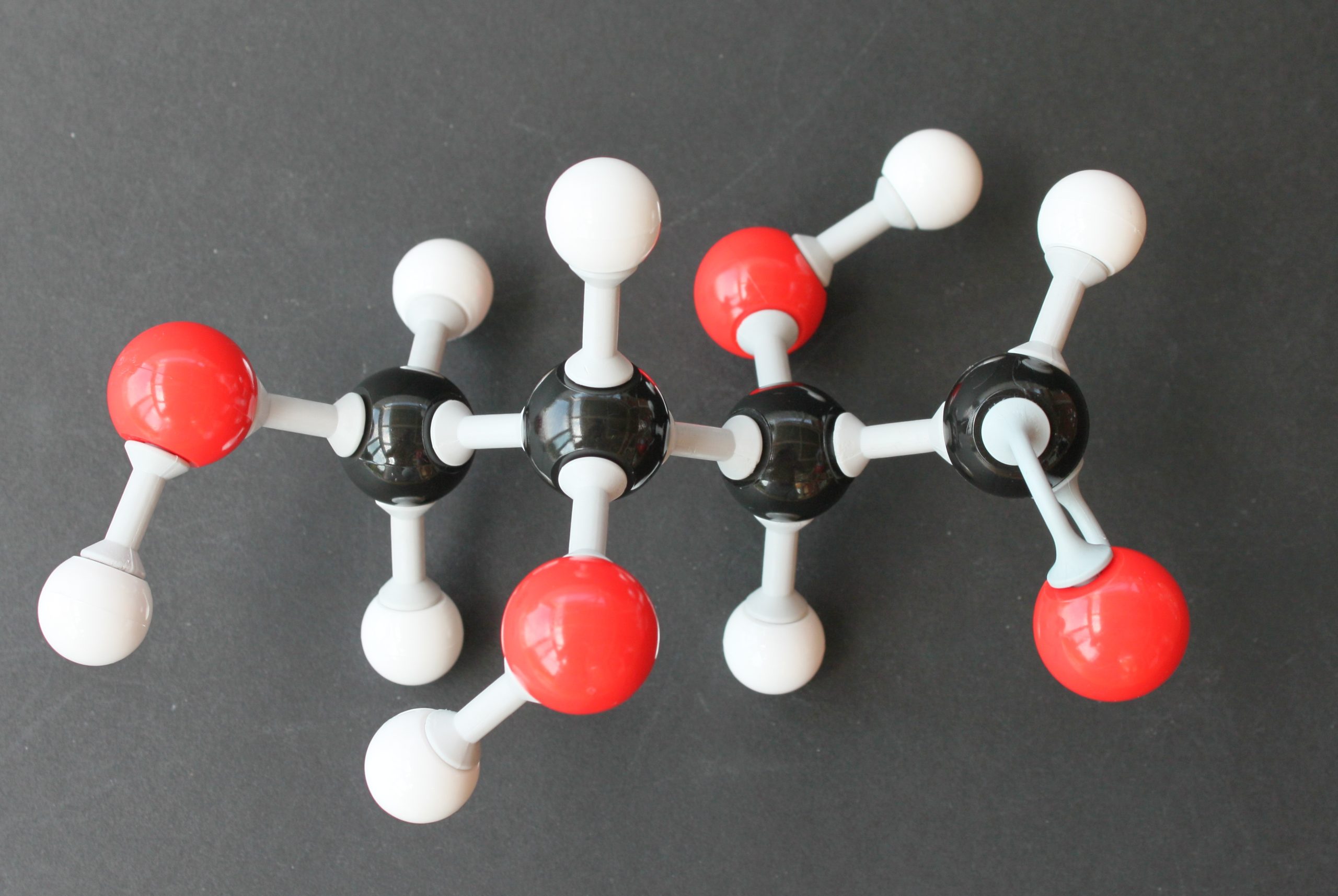
Self-Healing Molecular Architecture for Synthetic Media Guide
Learn how self-healing molecular machine architecture is revolutionizing synthetic media by enabling durable, resilient, and adaptive physical display substrates.
Contents
1. Introduction: Defining the intersection of synthetic media and self-healing molecular architecture.
2. Key Concepts: Understanding molecular machines, programmed material behavior, and their role in the digital-physical media convergence.
3. Architectural Framework: The blueprint for self-healing synthetic substrates.
4. Step-by-Step Implementation: How to integrate molecular repair mechanisms into production environments.
5. Real-World Applications: Digital signage, physical-haptic interfaces, and durable display hardware.
6. Common Mistakes: Misconceptions about scalability and material memory.
7. Advanced Tips: Leveraging quantum-dot integration and predictive maintenance.
8. Conclusion: The future of persistent synthetic environments.
***
Self-Healing Molecular Machine Architecture for Synthetic Media
Introduction
The boundary between digital content and physical reality is rapidly dissolving. As we move from flat-screen displays to immersive, tactile synthetic media environments, the hardware supporting these experiences faces a critical challenge: physical degradation. Traditional synthetic materials are static; once they are scratched, warped, or chemically compromised, the media experience suffers.
Enter the architecture of self-healing molecular machines. By embedding autonomous, stimuli-responsive molecular systems into the substrate of synthetic media devices, we are shifting from a paradigm of “planned obsolescence” to one of “dynamic resilience.” This article explores how these architectures function and how professionals can leverage them to create persistent, high-fidelity synthetic media environments that repair themselves in real-time.
Key Concepts
To understand self-healing architectures, we must move beyond traditional mechanics and into the realm of supramolecular chemistry. These are not gears and levers in the traditional sense; they are molecular-scale machines capable of responding to environmental triggers to mend structural damage.
Molecular Machines: These are discrete assemblies of molecules that produce quasi-mechanical movements in response to specific stimuli—such as light, pH changes, or electrical potential. In the context of synthetic media, these machines act as “nurses” within the substrate.
Stimuli-Responsive Polymers: These materials act as the medium. When damage occurs (a scratch or a break in the molecular chain), the polymer detects the disruption in the energy state and triggers the molecular machines to reorganize or cross-link, effectively “sewing” the material back together.
Synthetic Media Resilience: This refers to the ability of a display or haptic interface to maintain its pixel-accurate integrity or tactile profile despite physical wear, ensuring the virtual information remains undistorted by the physical medium.
Material Selection: Choose a substrate matrix that exhibits intrinsic self-healing properties, such as a Diels-Alder adduct-based polyurethane. These polymers can undergo reversible bonding when exposed to localized heat or UV light.
Molecular Machine Embedding: Integrate rotaxane-based molecular shuttles into the polymer matrix. These structures function as energy storage units that can be activated to facilitate the movement of repair monomers to the site of damage.
Stimuli-Mapping: Define the “healing trigger.” For indoor synthetic media, UV-LED arrays are often embedded behind the display layer. When a sensor detects a structural anomaly, the system fires a specific wavelength to activate the molecular repair cycle.
Calibration of Repair Cycles: Implement a software-controlled feedback loop. Use computer vision to scan the surface of the synthetic medium for micro-abrasions. Once detected, the system triggers the local heating element to initiate the molecular re-bonding process.
Validation and Stress Testing: Subject the substrate to cyclical mechanical stress. Ensure that the molecular architecture resets its structural integrity within the expected time frame (typically seconds to minutes) without altering the optical transparency or haptic response of the media.
Examples and Case Studies
Adaptive Haptic Interfaces: In high-end synthetic media studios, haptic surfaces are often exposed to heavy stylus contact. By utilizing a cross-linked liquid crystal elastomer (LCE) architecture, these surfaces “heal” the indentations caused by constant pressure. The molecular machines within the LCE realign the chains, effectively erasing the physical “memory” of the previous interaction.
Persistent Digital Signage: In public installations where synthetic media is exposed to the elements, micro-cracks are inevitable. By incorporating micro-encapsulated healing agents that react with the atmosphere, the media surface can autonomously bridge cracks that would otherwise disrupt the projection or light-field generation, maintaining a continuous, high-definition output.
Common Mistakes
Ignoring Thermal Thresholds: A common error is assuming self-healing materials can function at any temperature. If the molecular machine’s activation temperature is too high, it may damage the sensitive electronics behind the synthetic media layer.
Over-Engineering the Density: Applying too many molecular machines can lead to a loss of optical clarity. The architecture must be balanced to ensure that the “repair agents” do not interfere with the light transmission required for high-fidelity media.
Neglecting Cycle Fatigue: Just as tires wear out, molecular machines have a limited number of “re-bonding” cycles. Failing to monitor the cumulative degradation of the self-healing substrate leads to sudden, total failure rather than gradual decline.
Advanced Tips
To push your synthetic media architecture further, consider the integration of Quantum Dot (QD) Sensors. By dispersing QDs throughout the self-healing matrix, you can create a substrate that is not only self-repairing but also self-reporting. When the material is stressed, the QDs change their fluorescence signature, allowing the system to pinpoint exactly where the molecular machines need to focus their repair energy.
Furthermore, look into Autonomous Energy Harvesting. By integrating piezoelectric nanofibers, the very vibrations or physical impacts that damage your synthetic media can be converted into the electrical energy required to power the molecular machines that repair the damage. This creates a closed-loop system that is essentially immortal within the design lifecycle.
Conclusion
Self-healing molecular machine architecture represents the next frontier in synthetic media. By shifting our focus from the content being displayed to the integrity of the medium itself, we create environments that are not just transient displays, but durable, adaptive, and intelligent surfaces.
The key takeaway is that resilience is a design choice. By embedding molecular-scale responsiveness into your project’s foundation, you eliminate the friction of physical degradation, allowing your synthetic media to persist as intended, regardless of the environment. Start by experimenting with stimuli-responsive polymers and integrate automated diagnostics to ensure that your infrastructure remains as sharp as the media it presents.
Explore the intersection of 2D materials and neurotechnology. Learn how to architect ethical Human-in-the-Loop systems for neural monitoring and modulation.
The Expert’s Dilemma: Overcoming Cultural Resistance to Explainable AI Introduction For decades, professional expertise has been defined by the ability…
Learn how Zero-Shot quantum-safe cryptography protects energy grids from future threats. A guide to securing IoT sensors and microgrids against quantum attacks.
Learn how to optimize API performance with effective pagination strategies. Master cursor-based and offset-based techniques to prevent latency and scale your data.
Discover how holographic teleconferencing and volumetric capture are revolutionizing human connection, moving beyond 2D video to immersive 3D spatial presence.
Introduction: The shift from terrestrial logistics to orbital autonomy. Key Concepts: Defining the “Few-Shot” paradigm and the On-Orbit Manufacturing (OOM)…
Outline Main Title: Demystifying Shapley Values: Calculating Feature Contribution in Machine Learning Introduction: The black-box problem in AI and the…