The Future of Holographic Teleconferencing and Spatial Presence
— by
Steven Haynes
Contents
1. Introduction: The evolution of communication from audio to video and the inevitable leap to 3D volumetric presence.
2. Key Concepts: Understanding light-field technology, volumetric capture, and the distinction between AR/VR and true holographic telepresence.
3. Step-by-Step Guide: How to transition from traditional video calls to holographic setups.
4. Real-World Applications: Use cases in surgery, remote collaboration, and high-stakes negotiations.
5. Common Mistakes: Bandwidth bottlenecks, uncanny valley effects, and hardware accessibility issues.
6. Advanced Tips: Optimizing lighting for volumetric sensors and integrating haptic feedback.
7. Conclusion: The future of spatial computing as the new standard for human connection.
***
The Future of Presence: Why Holographic Teleconferencing Will Become the Global Standard
Introduction
For decades, we have been constrained by the “flatness” of communication. Whether through a smartphone screen or a high-definition monitor, digital interaction remains a two-dimensional experience. We have become accustomed to the “Zoom fatigue” that stems from our brains working overtime to compensate for the lack of spatial cues, eye contact, and physical presence. This is about to change.
Holographic teleconferencing is not merely a gadget for science fiction films; it is the inevitable next step in the evolution of human connection. By leveraging volumetric capture and light-field displays, we are moving toward a reality where professional and personal communication will occur in three dimensions. This shift will fundamentally alter how we conduct business, build teams, and maintain long-distance relationships, transforming “being there” from a figure of speech into a technical reality.
Key Concepts
To understand the transition to holographic communication, we must distinguish it from current video conferencing technologies. Traditional video relies on a 2D grid of pixels. Holographic teleconferencing, or volumetric telepresence, relies on spatial data.
Volumetric Capture: This is the process of using an array of cameras and depth sensors to record a person or object from all angles simultaneously. The system creates a 3D point cloud or mesh, allowing the person on the other end to move around the subject and view them from different perspectives.
Light-Field Displays: Unlike VR headsets that trick the eyes into seeing depth, light-field displays project light into a space, creating a 3D image that can be viewed by multiple people without specialized glasses. This technology mimics how our eyes naturally perceive physical objects.
Spatial Presence: This is the psychological state of “being” in the same room as someone else. Because your brain processes the holographic subject as a spatial entity rather than a flat image, the neurological response is significantly closer to a face-to-face meeting, reducing cognitive load and increasing empathy.
Step-by-Step Guide: Preparing for the Holographic Era
While the hardware is still maturing, the infrastructure for holographic communication is being built today. Here is how you can prepare for and begin integrating these spatial workflows.
Audit Your Capture Environment: Holographic quality depends on lighting. Unlike standard webcams that adjust for flat surfaces, volumetric sensors require uniform, shadow-free lighting. Invest in 360-degree soft-box lighting rigs to ensure your capture device can map your volume accurately.
Upgrade Your Bandwidth Infrastructure: Volumetric data is exponentially larger than 2D video. Transitioning to a dedicated fiber-optic connection or a 5G-standalone (SA) network is essential to handle the high throughput required for real-time, low-latency 3D streaming.
Choose Your Platform: Familiarize yourself with emerging spatial software providers like Microsoft Mesh or specialized volumetric platforms. These platforms serve as the “bridge” that handles the compression and streaming of your 3D likeness.
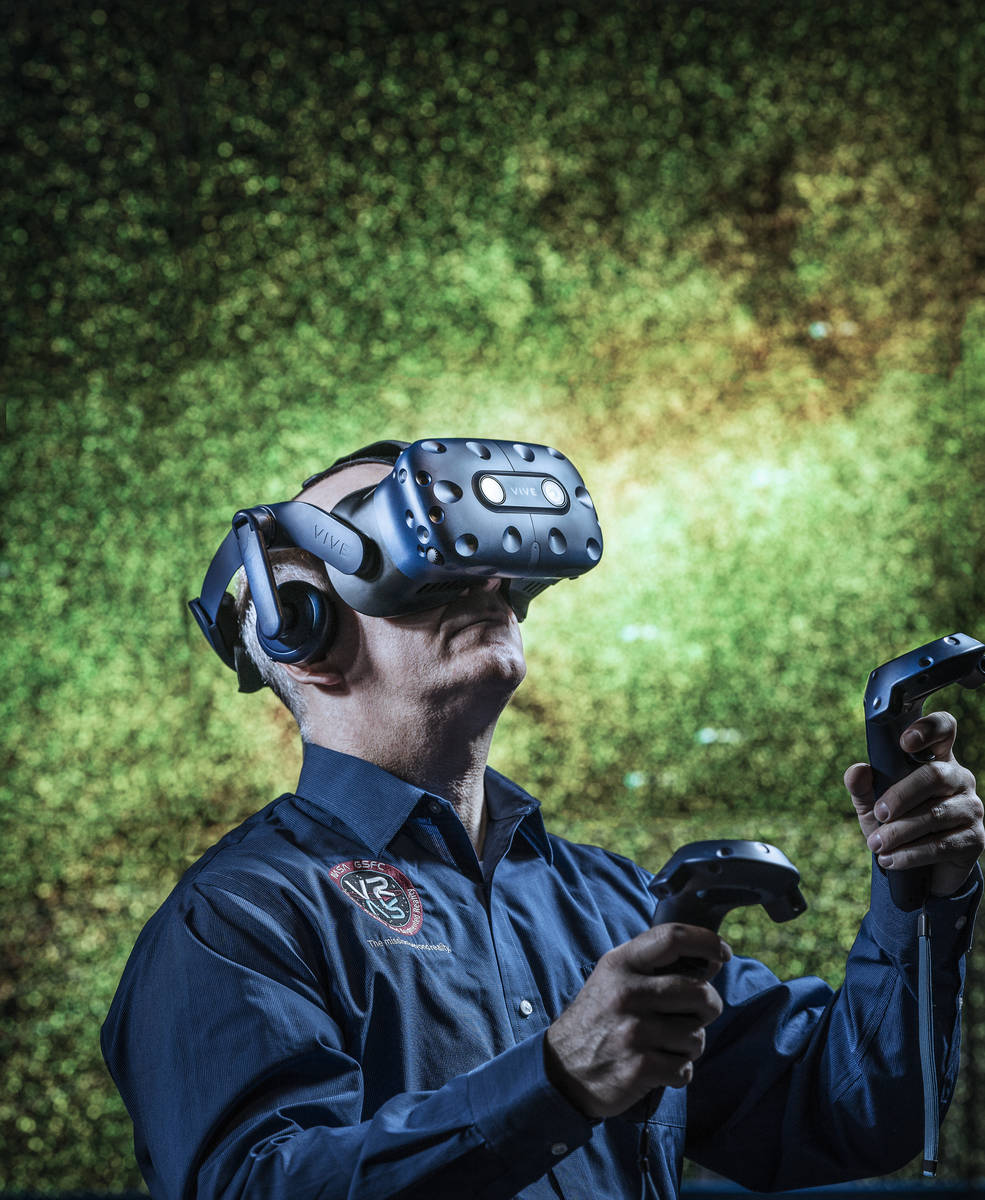
Adopt Spatial Hardware: Start experimenting with mixed-reality headsets (such as the HoloLens 2 or Quest 3) to understand how to interact with 3D digital assets. These devices act as the “receiving” end for holographic telepresence.
Standardize Your Workspace: As holographic meetings become common, your office needs to become a “stage.” Clear a 6×6 foot area of clutter to allow for accurate 3D mapping and ensure your background is depth-neutral to prevent sensor interference.
Examples and Real-World Applications
The applications for holographic teleconferencing extend far beyond casual conversation. In high-stakes industries, the ability to project a physical presence in 3D is a game-changer.
Remote Surgery and Training: Surgeons are already using holographic overlays to practice complex procedures. With teleconferencing, a specialist in Tokyo can appear as a 3D projection in an operating theater in London, pointing to specific anatomical structures with perfect spatial accuracy, effectively guiding a local surgeon through a procedure.
Architecture and Engineering: Instead of reviewing 2D blueprints on a screen, teams can gather around a shared, interactive 3D model of a building. Each participant can walk around the “hologram,” pointing out structural concerns or design changes in real-time as if the model were sitting on a table between them.
High-Stakes Negotiations: In diplomacy or executive M&A, body language is a critical component of trust. Holographic presence captures the micro-expressions and subtle shifts in posture that 2D video misses, fostering the rapport necessary for high-level decision-making.
Common Mistakes
As we transition to this new medium, several pitfalls can undermine the effectiveness of your communication.
Ignoring Lighting Geometry: Many users treat holographic capture like a standard webcam setup. If you have a bright window behind you, the depth sensors will fail to “see” your silhouette, resulting in a distorted or “ghostly” holographic projection.
Latency Blindness: In 2D video, a slight lag is annoying. In 3D telepresence, a lag of even a few milliseconds can cause “spatial desync,” where your voice and your physical position seem disconnected, leading to motion sickness or significant discomfort for the observer.
Over-Reliance on Gadgetry: The technology is meant to enhance human interaction, not replace it with digital clutter. Avoid the temptation to fill your holographic space with unnecessary UI elements that distract from the person you are communicating with.
Neglecting the “Uncanny Valley”: If your capture resolution is too low, the human brain may perceive your hologram as an unsettling, distorted figure. It is better to have a smaller, clear projection than a life-sized, flickering, or “glitchy” one.
Advanced Tips
To truly master holographic telepresence, you must go beyond the basic setup.
Haptic Integration: The next frontier of holographic communication is the inclusion of haptic gloves or suits. By integrating haptics, you can simulate the sensation of touch or resistance. When you reach out to touch a 3D object shared during a meeting, your brain receives tactile feedback, cementing the reality of the experience.
Dynamic Background Removal: Advanced systems allow for “background replacement” in 3D. Instead of just replacing a flat wall, you can project yourself into a virtual boardroom. Ensure your software supports dynamic depth-masking, which cuts you out of your physical environment and places you into the digital one without leaving “halos” or artifacts around your body.
Asynchronous Holograms: Consider using “holographic memos.” Instead of a live call, record a 3D message that a colleague can view in their own time. They can walk around your 3D likeness, view your presentation from different angles, and interact with the data you’ve left behind, creating a far more engaging experience than an email or a video file.
Conclusion
Holographic teleconferencing is the final frontier in remote communication. It promises to bridge the gap between digital convenience and physical intimacy, effectively collapsing geography. By adopting the right infrastructure, mastering lighting, and embracing the spatial nature of this technology, you position yourself at the forefront of a new era of professional and personal connection.
The transition will not happen overnight, but the trajectory is clear. As the hardware becomes more accessible and bandwidth limitations vanish, the 2D screen will eventually become as antiquated as the fax machine. Prepare now to inhabit the space of the future, where communication is no longer something you watch, but something you experience.



Leave a Reply