The Profitability of Circularity: Beyond Sustainability
\n\n
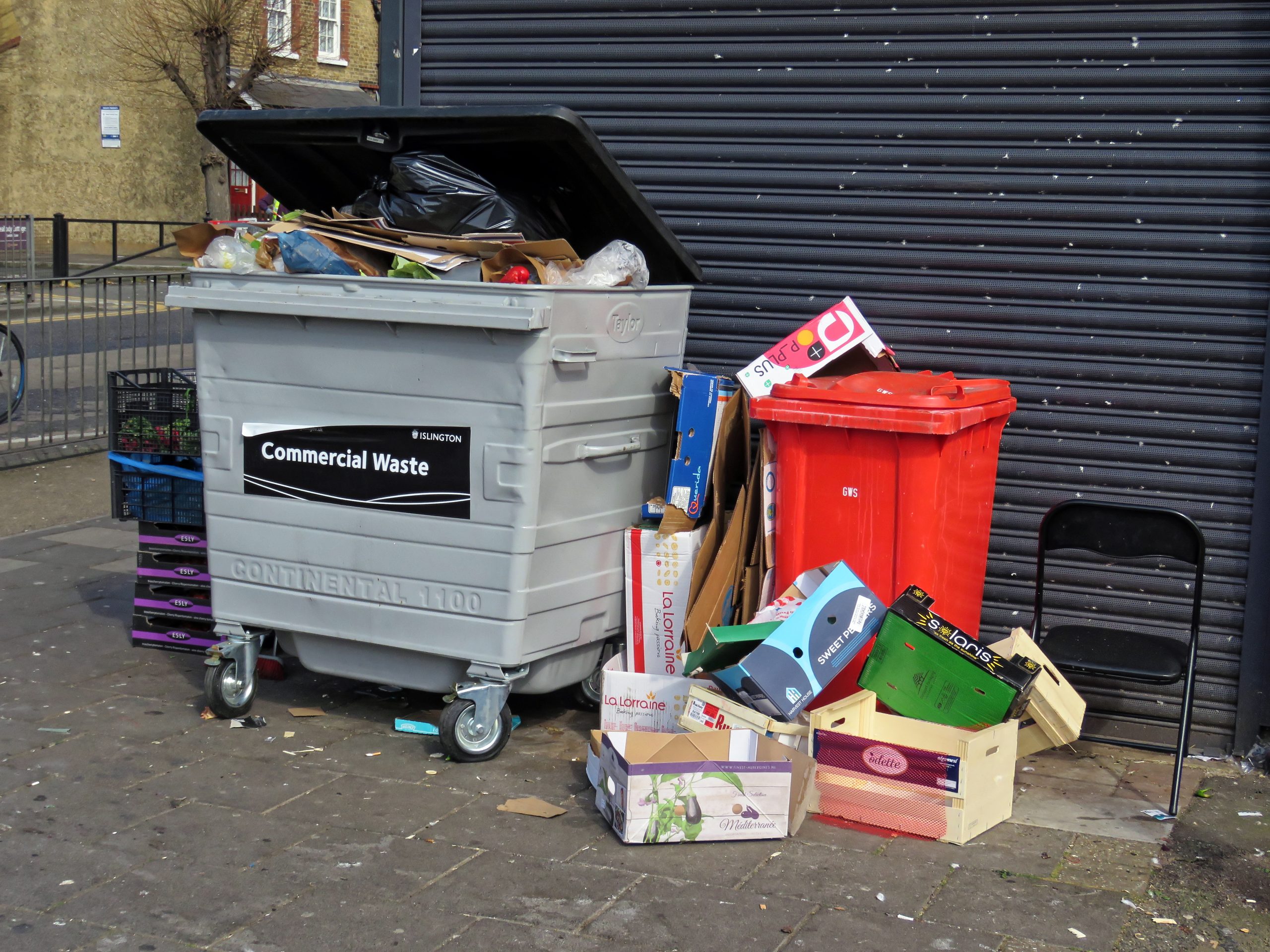
Most organizations treat waste as a cost of doing business—a line item to be minimized, ignored, or outsourced. High-performing operators, however, view waste through a different lens: as an untapped reservoir of operational efficiency and capital. Closed-loop waste systems represent the final frontier of lean manufacturing and resource optimization. When you stop discarding outputs and start reintegrating them into your supply chain, you aren’t just hitting ESG targets; you are fundamentally altering your cost structure.
\n\n
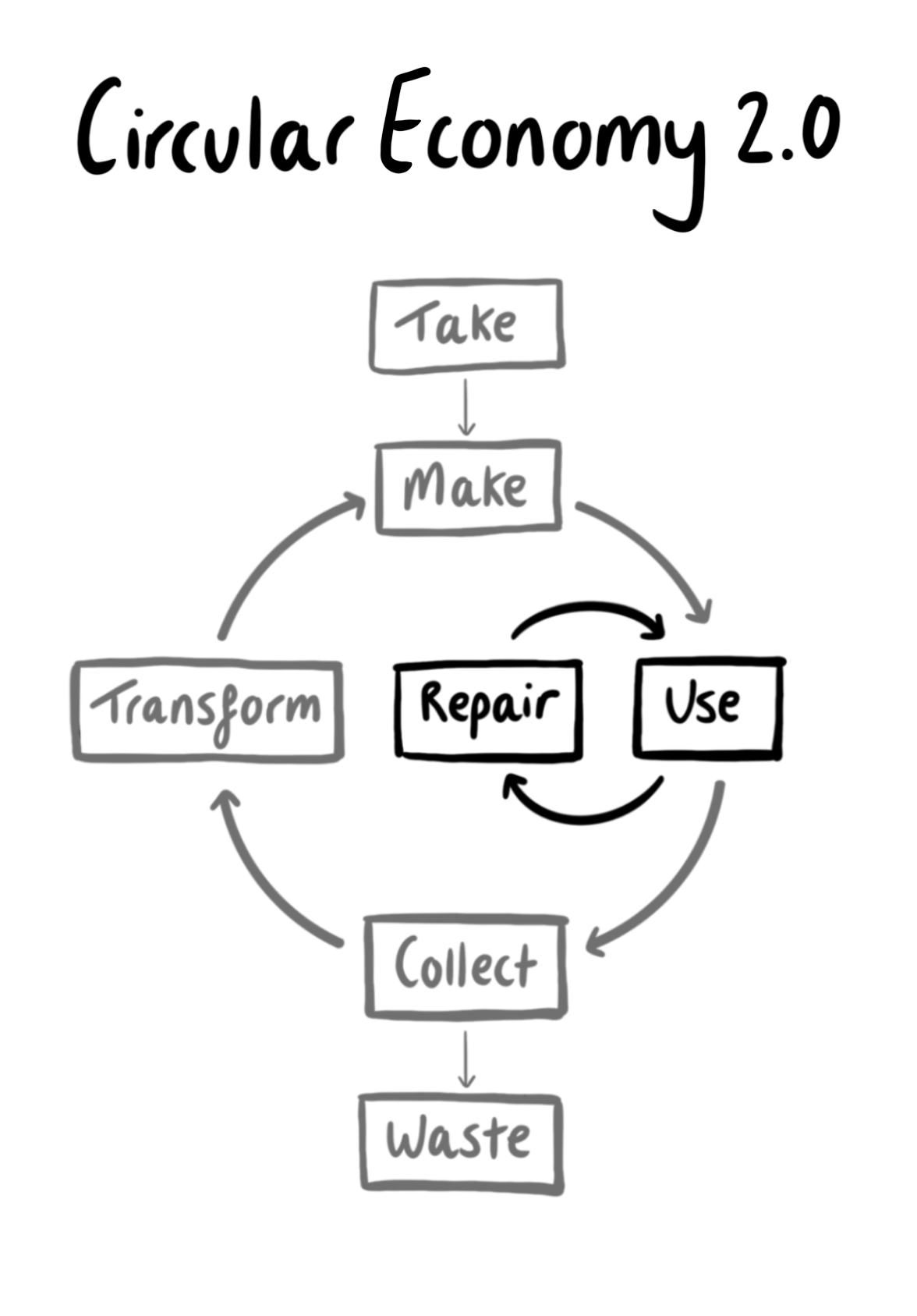
The traditional linear economy—extract, manufacture, dispose—is a design flaw. It is a system built on fragility. By contrast, a closed-loop system creates a self-sustaining cycle where the byproduct of one process becomes the raw material for another. This is the essence of operational excellence: maximizing the utility of every input.
\n\n
The Architecture of a Closed-Loop System
\n\n
Implementing a closed-loop system requires moving away from the \”end-of-pipe\” mindset. You cannot simply recycle your way to efficiency. True circularity requires a redesign of the strategy behind your product lifecycle.
\n\n
1. Input Audit and Lifecycle Mapping
\n
Before you can close the loop, you must map the entire flow of materials. Where are the leaks? Where is the degradation? Leaders often discover that their most expensive waste isn’t what hits the dumpster, but the inefficiency in the transformation process itself. By applying high-performance analytics, you can identify which inputs are being underutilized and where a byproduct has inherent market value.
\n\n
2. The Modular Design Mandate
\n
If you cannot take a product apart, you cannot close the loop. Modular design is the prerequisite for circularity. When your engineering teams prioritize disassembly, you gain the ability to harvest components rather than raw materials. This shift reduces reliance on volatile commodity markets and insulates your decision-making from supply chain shocks.
\n\n
3. Operationalizing Reverse Logistics
\n
The most common failure point in circularity is the logistics of recovery. You must build a system that makes the return of materials as frictionless as the delivery of new ones. This requires a shift in how you incentivize your partners and customers. If the recovery of a byproduct costs more than the raw material, your system is poorly optimized. The goal is to make the return flow a profit center, not a logistical burden.
\n\n
Strategic Leverage in a Resource-Constrained Future
\n\n
The transition to a circular system is essentially an exercise in leverage. By reclaiming materials, you reduce your exposure to inflation and resource scarcity. You create a moat around your business that competitors relying on linear, externalized supply chains cannot replicate.
\n\n
Furthermore, this approach forces a higher standard of execution. When your waste becomes your input, the quality of your output is directly tied to the integrity of your recovery process. There is no room for sloppy operations. This forces a culture of precision that permeates every department, from procurement to R&D.
\n\n
The Leadership Challenge
\n\n
Adopting closed-loop systems is not a project for the sustainability department; it is a mandate for the C-suite. It requires the courage to abandon legacy processes that have been \”good enough\” for decades. It demands a shift in metrics—moving from simple throughput to net resource productivity. Leaders must be willing to invest in the upfront design costs to realize the long-term compounding benefits of a circular model.
\n\n
When you view waste as a failure of imagination, you start to see opportunities for innovation in every corner of your facility. The companies that master this will be the ones that thrive when the cost of resources inevitably hits a ceiling. The transition to circularity is not just about environmental stewardship; it is about building an organization that is inherently more resilient, more efficient, and ultimately, more valuable.