The Architecture of Continuity: Why Climate Resilience is an Operational Imperative
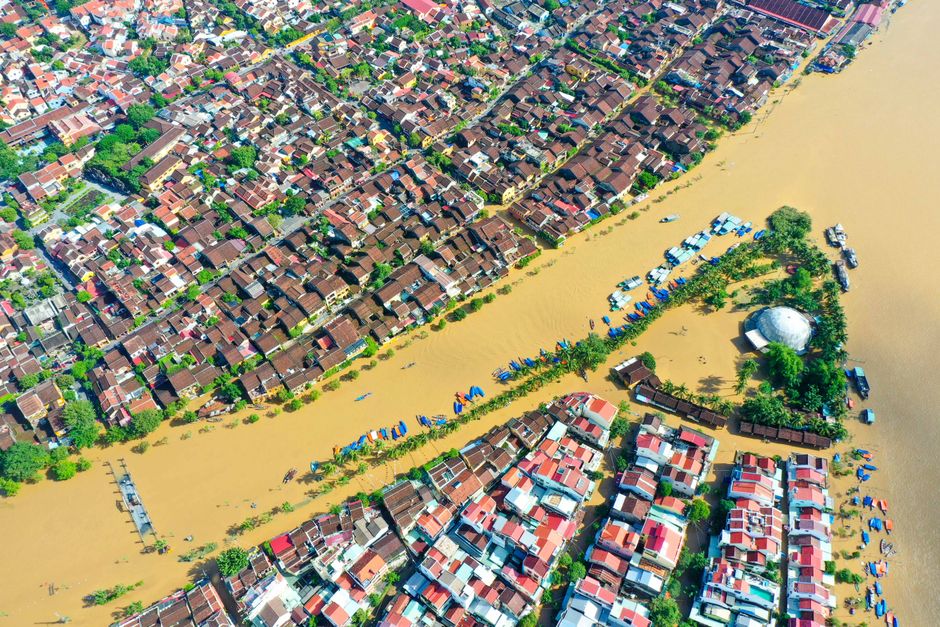
Most urban planning initiatives treat climate resilience as a secondary aesthetic or a compliance burden. They view it through the lens of coastal barriers or sustainable materials—tactical adjustments to a static environment. This is a fundamental miscalculation. For the modern leader and urban operator, climate-resilient design is not about environmental optics; it is about risk mitigation, supply chain stability, and the long-term viability of the physical assets that underpin global economic activity.
If your infrastructure cannot withstand the volatility of the coming decades, your strategy is built on sand. Climate-resilient urban design is the practice of engineering redundancy and adaptability into the very fabric of our cities. It is the transition from rigid, brittle systems to flexible, modular environments that absorb shocks rather than collapsing under them.
Beyond Hardened Assets: The Shift Toward Adaptive Systems
Traditional urban development focuses on “hard” infrastructure: seawalls, levees, and reinforced foundations. While these are necessary, they are inherently binary. They either hold or they fail. High-performance urban design, by contrast, operates on the principle of distributed resilience. This is the difference between a single point of failure and a decentralized network.
Consider the integration of “sponge city” concepts—permeable pavements, green roofs, and urban wetlands. These are not merely ecological gestures; they are operational excellence in action. By decentralizing water management, developers reduce the load on centralized municipal systems, effectively insulating their projects from the catastrophic failures that occur when legacy infrastructure is overwhelmed by extreme weather events.
The Economics of Modular Infrastructure
The financial argument for resilience has matured. Investors now recognize that climate risk is a material financial risk. Asset valuation models are increasingly factoring in “climate-adjusted depreciation.” Developments that fail to account for rising heat islands, localized flooding, or grid instability are effectively liabilities masquerading as assets.
Building for resilience requires a shift in the capital allocation mindset. It demands higher upfront investment in modular, adaptable systems that can be upgraded as technology evolves. This is a classic exercise in decision-making: choosing to pay a premium now to avoid the exponential cost of retrofitting or abandonment later.
Data-Driven Urbanism: The Role of AI and Predictive Modeling
We can no longer rely on historical climate data to inform design. The past is a poor predictor of the next thirty years. Instead, we must utilize predictive AI modeling to simulate micro-climate scenarios at the neighborhood level. This allows developers to optimize building orientation, thermal mass, and ventilation patterns with surgical precision.
By applying AI to urban data sets, architects and leaders can identify subtle inefficiencies in energy consumption and heat retention. This creates a feedback loop: the building learns from its environment, and the operator adjusts the system to maintain peak performance. This is the evolution of the “smart city” from a marketing buzzword into a functional reality where operational stability is maintained through real-time data synthesis.
Leadership in the Built Environment
The responsibility for resilient urban design rests with the decision-makers who set the vision for our cities. It requires a departure from short-term quarterly reporting toward a long-horizon perspective. Leaders must view their projects as part of a larger, interconnected ecosystem. If your facility thrives while the surrounding grid collapses, you have not succeeded; you have merely delayed your own failure.
True high-performance thinking in urban development prioritizes interoperability. It means designing structures that can serve multiple functions—parking garages that can be converted into vertical farms or logistics hubs, or office spaces that can rapidly pivot to residential use. This flexibility is the ultimate hedge against uncertainty.
Operational Takeaways for Future-Proofing
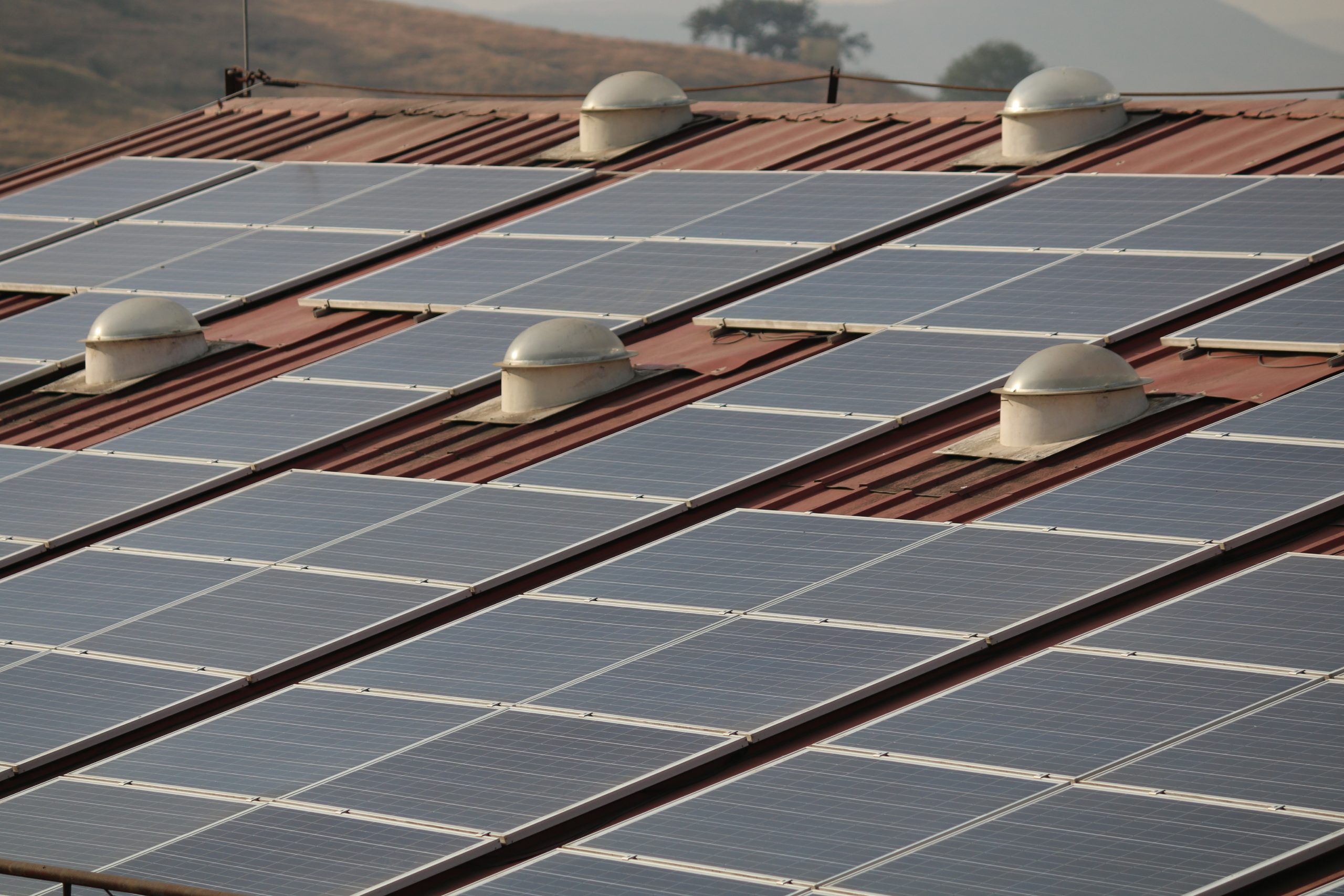
Decentralize Critical Systems: Move toward micro-grids and localized water treatment to decouple assets from vulnerable municipal infrastructure.
Prioritize Material Adaptability: Use modular construction methods that allow for the replacement or upgrade of components without compromising the structural integrity of the whole.
Integrate Predictive Modeling: Incorporate climate stress testing into the initial design phase rather than treating it as a final certification hurdle.
Think in Systems, Not Silos: Evaluate how your project influences the resilience of the surrounding district, as your local risk is inextricably tied to the neighborhood’s overall health.
Resilience is not a destination. It is a continuous process of recalibration. By centering our approach to urban development on adaptability and data-driven foresight, we ensure that our cities remain engines of growth rather than victims of their own rigidity.