The Physics of Efficiency: Reimagining Energy Logistics
Energy distribution has remained fundamentally unchanged for a century. We rely on copper wires, massive transformers, and fragile grids that suffer from transmission loss, geographic limitations, and vulnerability to physical disruption. Laser-based power transmission—specifically the deployment of high-intensity infrared beams to transfer energy across distances—represents a shift from infrastructure-heavy logistics to a precision-based model of energy delivery.
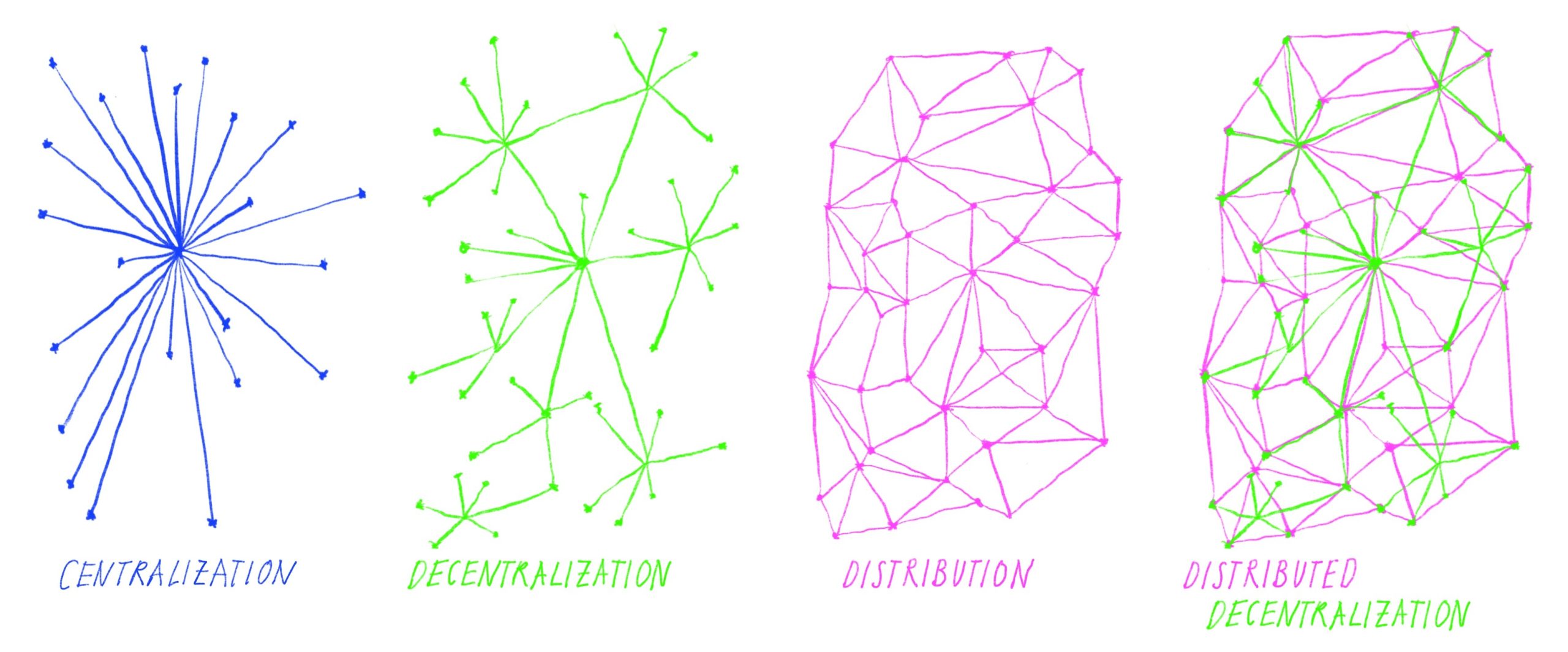
For leaders evaluating the future of operational excellence, this transition is not merely a technical curiosity. It is a fundamental change in how we conceive of energy as a resource. When you remove the need for physical conduits, you eliminate the single point of failure inherent in traditional grid architecture.
The Mechanics of Precision Delivery
At its core, laser power transmission relies on the photo-electric effect in reverse. A high-energy laser emits a concentrated beam of light, which is captured by a photovoltaic receiver at the destination. This receiver converts the light back into electrical current. The challenge—and the strategic opportunity—lies in the precision of the beam and the efficiency of the conversion process.
Current research has pushed conversion efficiencies past the 40% threshold in laboratory settings. While this lags behind the transmission efficiency of high-voltage copper lines, the value proposition is not found in a direct comparison of throughput. Instead, it lies in the capacity to deliver power to “hard-to-reach” assets: remote industrial sensors, autonomous drones, and disaster-relief infrastructure where traditional cabling is economically or physically impossible.
Strategic Implications for Infrastructure
Decision-making in capital-intensive industries often revolves around the sunk cost of infrastructure. By moving toward wireless power transmission, organizations can decouple their energy needs from their physical location. This is the essence of strategy: creating optionality where there was previously a constraint.
Consider the impact on autonomous operations. Today, drone fleets and remote extraction equipment must return to a base station to recharge, creating downtime and operational friction. Laser-based charging allows for “on-the-fly” replenishment. This shift turns a maintenance-heavy process into a fluid, continuous operation, significantly increasing the execution velocity of any field-based project.
Managing the Risks of High-Density Energy
The transition to directed energy is not without significant oversight requirements. High-intensity beams require sophisticated tracking and safety systems to prevent accidental exposure to humans or wildlife. Implementing this technology requires a rigorous approach to decision-making, specifically regarding safety protocols and regulatory compliance.
Leaders must view these risks as a cost of doing business in a high-performance environment. Just as early adopters of high-voltage electricity had to establish the standards for modern electrical safety, current pioneers of laser transmission must define the fail-safes that allow for widespread adoption. The goal is to build a system where the risk is contained within the operational envelope, allowing the benefits of remote, wireless energy to manifest without catastrophic failure.
The Future of Decentralized Power
As we move toward a future defined by AI-driven automation and remote robotics, the ability to transmit energy wirelessly will become a primary competitive differentiator. Those who master the logistics of laser-based power will no longer be tethered to the constraints of the local grid. They will be able to project their operational footprint wherever they can maintain a line of sight.
This is the ultimate form of high-performance thinking: identifying the bottlenecks—in this case, physical cables—and engineering them out of existence. By focusing on the physics of transmission rather than the maintenance of legacy infrastructure, organizations can achieve a level of flexibility that was previously unthinkable.