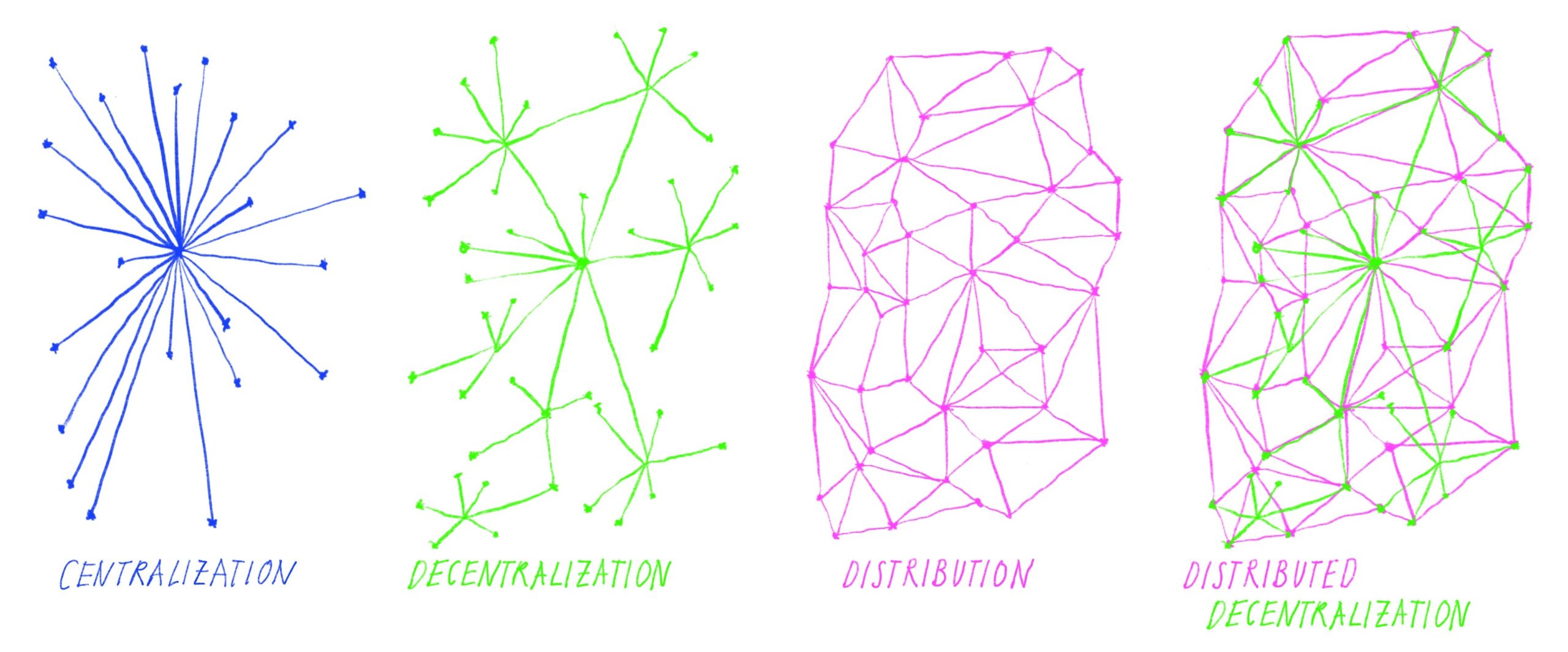
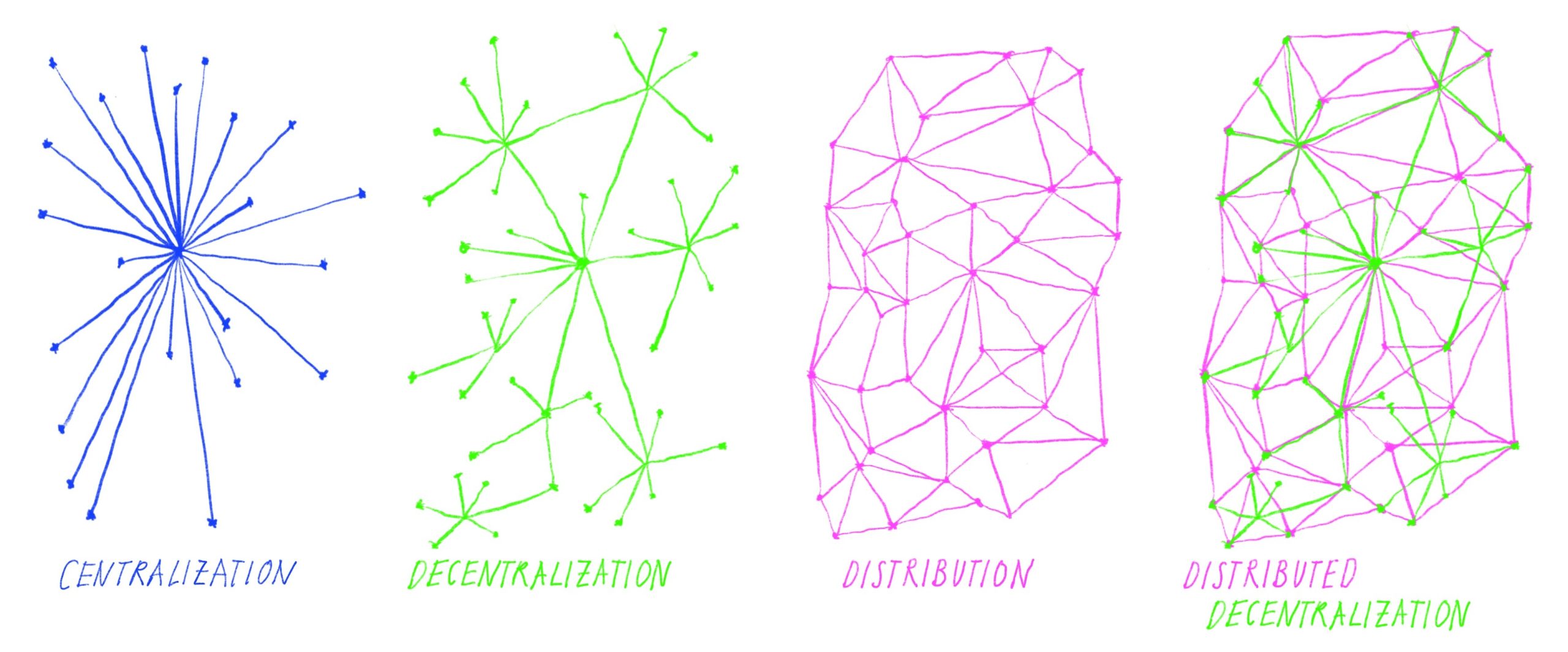
In the world of high-stakes energy innovation, we have spent decades worshiping at the altar of the ‘Big Reactor.’ Whether it is the sheer scale of the ITER tokamak or the stadium-sized laser arrays at NIF, the prevailing wisdom suggests that for fusion to matter, it must be massive. But as we explore the subatomic elegance of muon-catalyzed fusion (µCF), a startling realization emerges: the greatest threat to traditional fusion isn’t its failure—it’s the shift toward radical, modular decentralization.
The End of the Utility-Scale Monopoly
For a century, the power grid has been a top-down affair. Centralized generation plants transmit electricity over thousands of miles of copper, losing efficiency every step of the way. Traditional fusion, by its very design, seeks to replicate this model by creating gargantuan ‘artificial suns’ that feed into the existing grid. This is a strategic dead end. µCF, by contrast, operates on the scale of industrial manufacturing, not planetary engineering.
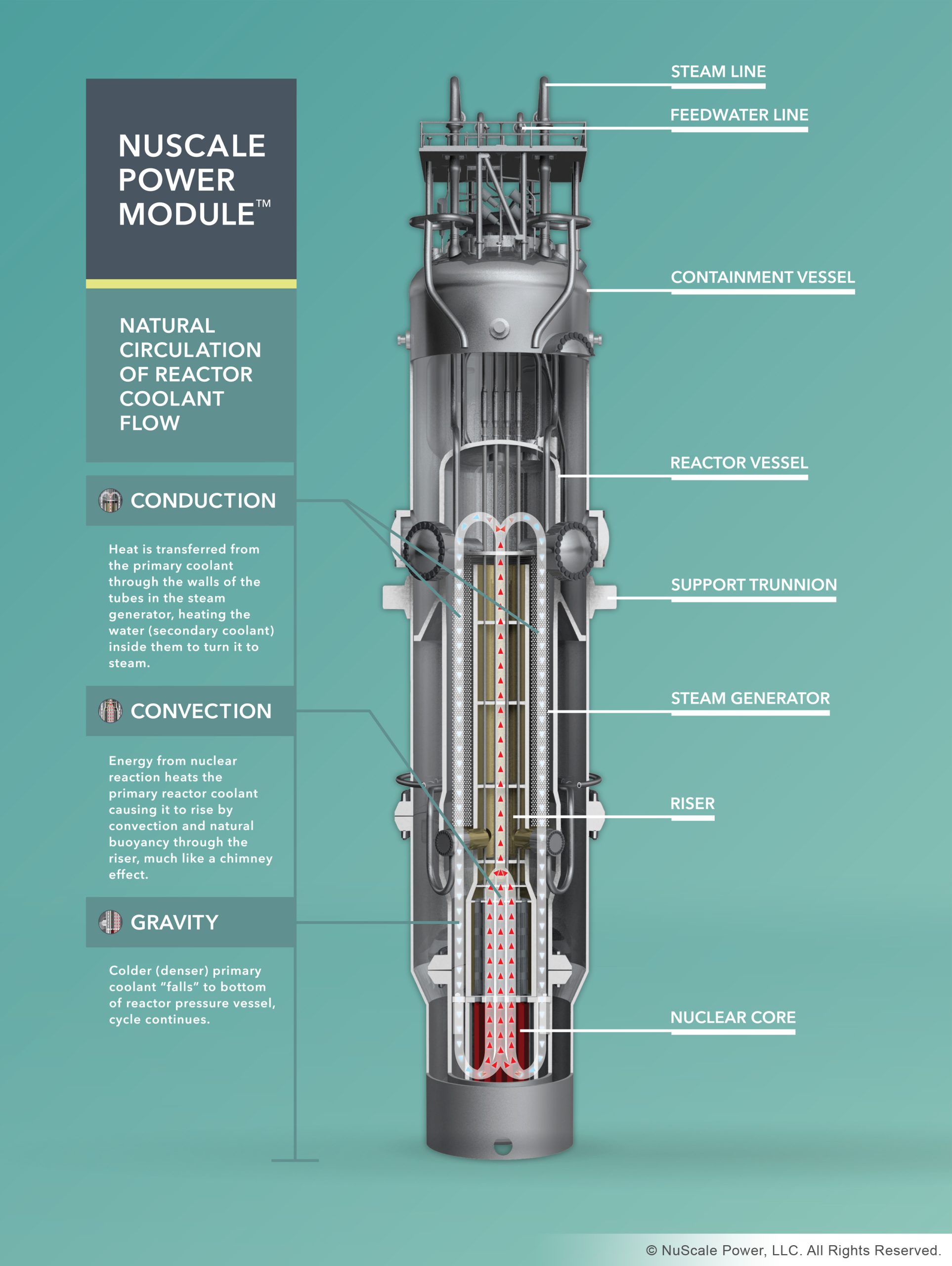
If we treat fusion as a ‘subatomic software problem’—where we iterate on the cycle frequency and stripping efficiency of muons—the reactor becomes an appliance. When energy production fits into a standard shipping container, the traditional utility model of ‘centralized generation’ evaporates. We are looking at the death of the grid as a gatekeeper.
The Sovereign Energy Architecture
The implications for modern enterprise are profound, particularly for high-compute sectors like Artificial Intelligence. Right now, data centers are slaves to geographical proximity to the grid. They are vulnerable to downtime, transmission price spikes, and regulatory bottlenecks. A move toward µCF-based ‘energy-on-demand’ shifts the balance of power from the provider back to the user.
Think of it as ‘Sovereign Energy.’ Just as cloud computing moved us from on-prem servers to centralized data centers, decentralized fusion will likely trigger the next swing: the return to self-contained, sovereign energy stacks. For a massive AI training cluster, the ability to generate baseload power locally, without the overhead of massive cooling systems or the geopolitical risks of supply-chain-dependent fuel storage, is the ultimate competitive moat.
The Contradictory Reality: Why VCs Still Hedge
Despite the potential, institutional investors remain hesitant. Why? Because µCF lacks the ‘hard-hat and concrete’ aesthetic of a traditional infrastructure project. It feels like physics research, not a power plant. The contradiction here is that the most scalable technologies are almost always the ones that look the least like what we have today.
The investment thesis for the coming decade isn’t in pouring billions into the next iteration of magnetic confinement. It is in the enablers of decentralization:
Stripping Technologies: Companies focusing on laser-excitation methods to prevent muon sticking aren’t just selling a component; they are selling the engine of a decentralized future.
Solid-State Catalysis: Breakthroughs in target density that allow for a reduction in the initial energy required to prime the muon pump will turn a laboratory curiosity into a commercial product overnight.
Energy Density Management: The real barrier to entry isn’t just the fusion event itself; it is the infrastructure required to extract heat from a micro-scale reaction in a sustainable, modular way.
The Strategic Takeaway
The shift to decentralized fusion will be marked by the ‘containerization’ of power. If you are a decision-maker at a firm with massive energy overheads, stop waiting for the grid to modernize. Start monitoring the subatomic startups that are prioritizing high-density, modular output over peak-energy capacity. The future of energy won’t be a giant reactor that powers a city; it will be a cluster of modular units that power an industry. In the race for energy dominance, the prize goes to the one who can shrink the reactor, not the one who can make it hotter.
Outline Introduction: The nexus of AI supremacy and global stability. Key Concepts: Defining “Dual-Use” technology and the “Security-Safety Paradox.” The…
Learn to implement Robust-to-Distribution-Shift (RDS) control models in material science to ensure performance stability under extreme, unseen physical conditions.
Contents * Introduction: The dual-pillar requirement for 21st-century leadership: digital fluency meeting moral philosophy. * Key Concepts: Defining “Technical Literacy”…
Learn how to implement competitive differential privacy in agritech to protect sensitive farming data while maintaining high-utility analytics for yield models.
Learn to move beyond deterministic models by integrating uncertainty quantification into your IoT edge architecture for superior supply chain resilience and insight.