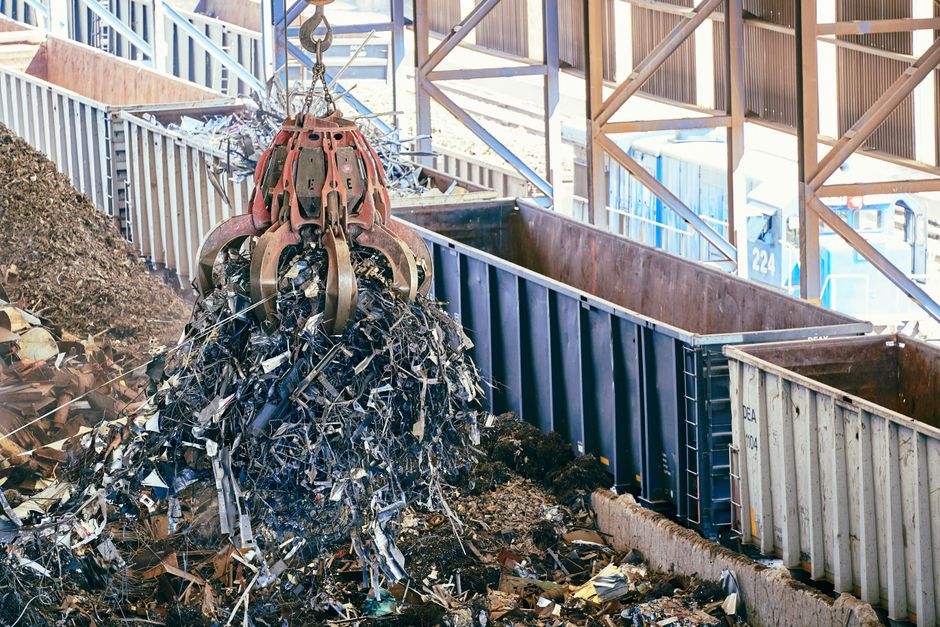
Low Earth Orbit (LEO) is no longer a pristine frontier; it is an industrial construction site littered with the remnants of six decades of space exploration. With approximately 92 percent of the objects currently tracked in orbit being classified as debris—dead satellites, spent rocket stages, and fragmented hardware—the operational environment for modern enterprise is becoming increasingly volatile. For organizations betting their digital infrastructure on satellite-based communication, GPS, and earth observation, debris is not an environmental issue. It is a fundamental risk to business continuity and strategic decision-making.
The current collision environment functions like a high-stakes game of physics where the stakes rise exponentially with every new launch. When we discuss orbital debris, we are discussing the degradation of global connectivity. For leaders, this represents a shift in risk management: moving from predictable terrestrial supply chains to an unpredictable, high-velocity orbital logistics model.
The Physics of Operational Failure
The danger of orbital debris lies in kinetic energy. At orbital velocities, even a fragment the size of a marble carries the destructive force of a hand grenade. This is the ultimate example of a “low probability, high impact” event that demands rigorous operational excellence. When a piece of debris strikes an active satellite, it doesn’t just destroy an asset; it creates thousands of new, untrackable pieces of debris. This is the Kessler Syndrome—a runaway chain reaction that could render specific orbital shells unusable for generations.
For the strategist, this demands a transition from reactive mitigation to proactive resilience. Companies relying on space-based assets must treat their orbital footprint as a critical vulnerability. This requires the same rigor one would apply to cybersecurity: auditing dependencies, understanding the failure tolerance of the constellation, and establishing redundant ground-based protocols for when—not if—a service interruption occurs.
Strategic Decision-Making Amidst Uncertainty
Tracking the 92 percent of space debris is an exercise in data-driven precision. We are currently tracking roughly 30,000 objects, yet millions of smaller fragments remain invisible to current sensor networks. Leaders must recognize that their strategy cannot be built on perfect data. Instead, it must be built on probabilistic modeling.
High-performance thinking requires accepting that you will never have full visibility into the orbital environment. The objective is not to eliminate all risk, but to create systems that can absorb localized shocks without collapsing the entire enterprise. This involves:
Asset Diversification: Avoiding over-reliance on a single satellite provider or orbital shell.
Kinetic Awareness: Integrating real-time debris tracking data into business continuity planning.
Redundancy Buffers: Maintaining terrestrial or high-altitude alternatives to space-based data streams.
Execution at Orbital Velocity
The companies that will dominate the next decade are those that treat space as a managed resource rather than a black box. This requires a shift in how we approach execution. Just as a CEO monitors market shifts, they must now monitor the physical integrity of the satellites providing their connectivity. The ability to pivot operations when a collision warning is issued for a critical asset is the hallmark of a high-performance organization.
True leadership in this domain involves advocating for space sustainability. If the orbital pathways become too cluttered, the cost of insurance, launch, and operations will skyrocket, effectively creating a barrier to entry that stifles innovation. Organizations that prioritize clean orbital practices and invest in debris removal technologies are not just acting ethically; they are protecting their long-term operational viability.
The Future of High-Performance Space
The 92 percent of debris currently orbiting Earth is a byproduct of a “launch and forget” mentality. Moving forward, the industry must adopt a “design for disposal” standard. This is not merely an engineering challenge; it is a management philosophy. By integrating the lifecycle of a satellite—from launch to de-orbiting—into the initial business case, organizations can mitigate the risk of creating future debris.
The space race of the 21st century will not be won by those who launch the most satellites, but by those who can maintain the most reliable, resilient, and sustainable orbital infrastructure. The debris in LEO is a reminder that in any complex system, the externalities you ignore today will eventually dictate your operational constraints tomorrow.
Data regarding orbital debris density and tracking statistics derived from the European Space Agency (ESA) Space Debris Office and NASA’s Orbital Debris Program Office.