Operational challenges often stem from a lack of technical expertise among clergy.
— by
Steven Haynes
Bridging the Gap: Addressing Operational Challenges Through Clergy Technical Literacy
Introduction
For centuries, the primary mandate of the clergy has been theological guidance, pastoral care, and community leadership. However, the modern religious organization is increasingly indistinguishable from a small-to-mid-sized non-profit corporation. From managing complex donor management systems (CRM) to navigating cybersecurity threats and livestreaming high-fidelity services, the operational demands on spiritual leaders have shifted dramatically.
When clergy members lack a foundational grasp of these technical ecosystems, the result is rarely a lack of faith; rather, it is a bottleneck of operational inefficiency. Organizations experience stagnant growth, data silos, and volunteer burnout. Addressing this technical gap is not about turning pastors into IT technicians; it is about empowering them to steward their organizations with the same precision and foresight they apply to their spiritual ministries.
Key Concepts: The Intersection of Ministry and Operations
The “technical gap” in ministry is best understood through three core pillars: System Integration, Data Literacy, and Digital Risk Management.
System Integration refers to how your various digital tools—accounting software, email marketing, website hosting, and database management—talk to one another. When these systems are disconnected, staff waste hours manually re-entering data, leading to human error and a fragmented view of the congregation.
Data Literacy is the ability to read and interpret the metrics your organization generates. Many clergy members view attendance numbers as the only KPI (Key Performance Indicator). In reality, understanding trends in digital engagement, giving patterns, and volunteer retention rates is essential for informed decision-making.
Digital Risk Management involves securing the sensitive information the church collects. From donor financial records to youth ministry databases, a failure in technical expertise often leads to lax security protocols, exposing the organization to data breaches, ransomware, or legal liability.
Step-by-Step Guide: Professionalizing Operations
Conduct a Technical Audit: Inventory every digital tool currently in use. Determine which tools are essential, which are redundant, and which are costing the organization money for features that go unused. Identify the “friction points” where staff complain about software being difficult or inaccessible.
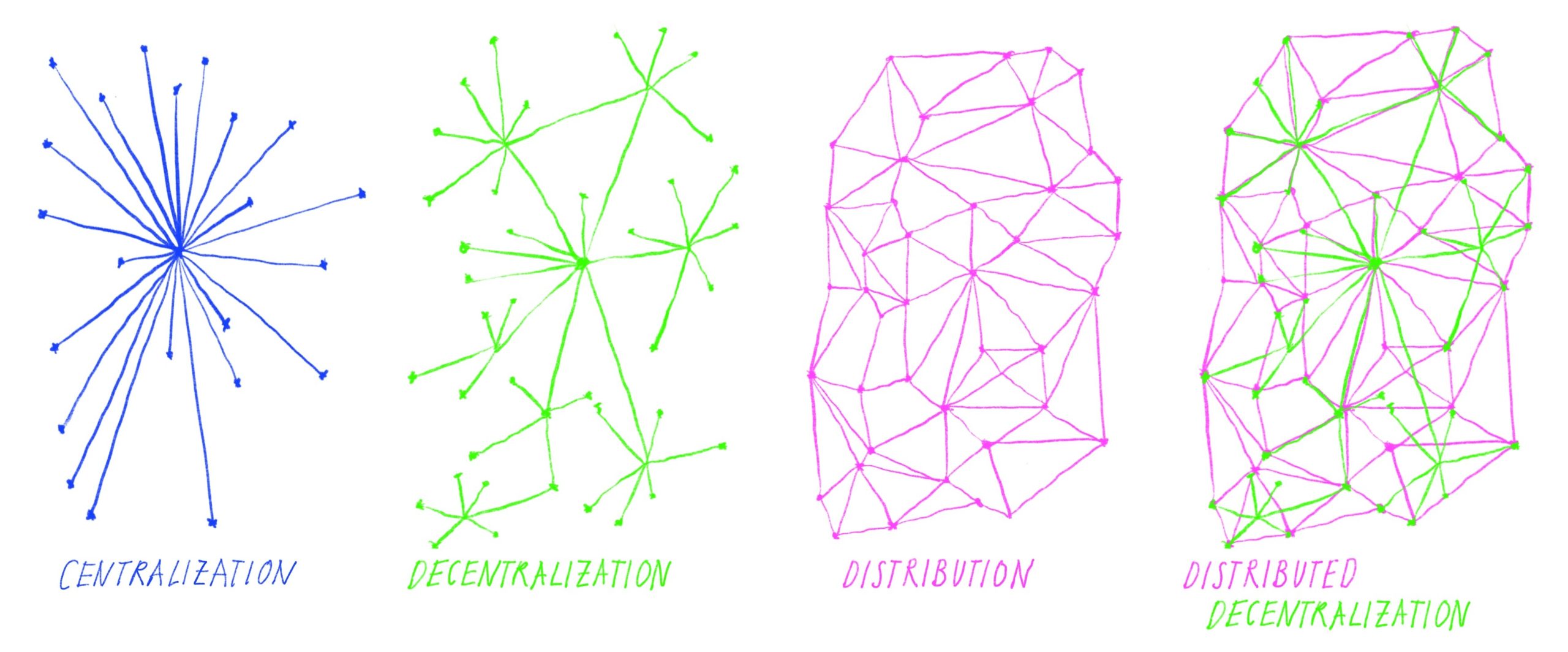
Centralize Your Data Ecosystem: Prioritize an “All-in-One” approach. Choose a primary Church Management Software (ChMS) that integrates with your accounting and communication tools. This reduces the cognitive load on staff and ensures a single “source of truth” for member data.
Establish a Technology Budget (Beyond Hardware): Many clergy treat technology as a one-time expense (buying a laptop). Shift the budget to account for SaaS (Software as a Service) subscriptions, data security maintenance, and staff training. Technology is an ongoing operational expense, not a depreciating asset.
Identify “Tech Champions”: You do not need to be the expert. Appoint a lay leader—often a professional from the business or IT sector—to serve as a technical advisor. Give them a clear mandate to streamline operations while leaving the theological direction to the clergy.
Implement Regular Training Cycles: Technology changes quarterly. Dedicate time in staff meetings for “operational walkthroughs,” where new features or workflows are demonstrated. Avoid the “set it and forget it” mentality toward digital infrastructure.
Examples and Case Studies
Consider a mid-sized congregation that struggled with “giving drift.” The pastor was unaware that their antiquated donation portal had a 4% failure rate on mobile devices, which account for 70% of their donors. Because the pastor lacked the technical expertise to interpret the backend analytics, they attributed the drop in revenue to a decline in congregational commitment. Once a tech-savvy board member performed a simple site audit and switched to a mobile-optimized payment gateway, revenue increased by 15% in three months without any change in the theological message.
Another example involves cyber-security. A church office fell victim to a phishing attack because the pastoral staff had not been trained on multi-factor authentication (MFA). The breach compromised the email addresses and contact information of hundreds of members. The resulting loss of trust took years to rebuild. By implementing a basic technical policy regarding password management and MFA, the organization protected its most valuable asset: the privacy of its members.
Common Mistakes
Outsourcing Control Without Oversight: Many clergy hand the “keys” to the church’s website or donor database to a volunteer without knowing how it works. If that volunteer leaves, the church loses access to its own digital infrastructure.
The “Free Tool” Trap: Choosing disparate free software solutions often costs more in labor hours than a paid, integrated professional suite. Fragmented, low-quality tools lack support and integration capabilities.
Neglecting Maintenance: Assuming that software will run indefinitely without updates or security patches. This is a primary driver of technical instability.
Ignoring Scalability: Choosing tools that work for 50 people but fail at 200. Always select software that can grow with the organization to avoid the painful process of data migration later.
The ultimate goal of technical literacy is to remove the obstacles that prevent your staff and volunteers from doing the work they were called to do. When the technology works quietly in the background, the ministry can step into the foreground.
Advanced Tips for Long-Term Success
To move beyond basic survival, shift your mindset toward Automation and Data-Driven Ministry.
Explore automation tools—like Zapier or built-in workflow features—to automate administrative tasks. For example, when a new visitor fills out a connection card, a properly integrated system should automatically send a personalized follow-up email, notify the appropriate ministry lead, and add the contact to the database. This eliminates the “human bottleneck” of manual entry.
Furthermore, start using descriptive analytics. Instead of asking “How many people attended?”, ask “Which digital touchpoints lead to a guest becoming a regular member?” By using data to map the “member journey,” you can deploy resources more effectively. Technical expertise allows you to move from reactionary administration to proactive, strategic planning.
Conclusion
Operational challenges in modern ministry are rarely the result of a lack of dedication. More often, they are the result of an expertise gap. By treating technical literacy as a core competency for leadership, clergy can build resilient, efficient, and secure organizations.
The path forward requires a transition from viewing technology as a necessary evil to viewing it as a stewardship tool. When you master your operational systems, you reduce the noise, protect your community’s data, and free up the time and mental bandwidth necessary for high-impact ministry. Invest in your tools, empower your technical champions, and watch how clarity and efficiency transform the health of your organization.





Leave a Reply