Conclusion: Balancing tradition with technological integrity.
Trust in the Age of Algorithms: Using Blockchain to Authenticate Theological Truth
Introduction
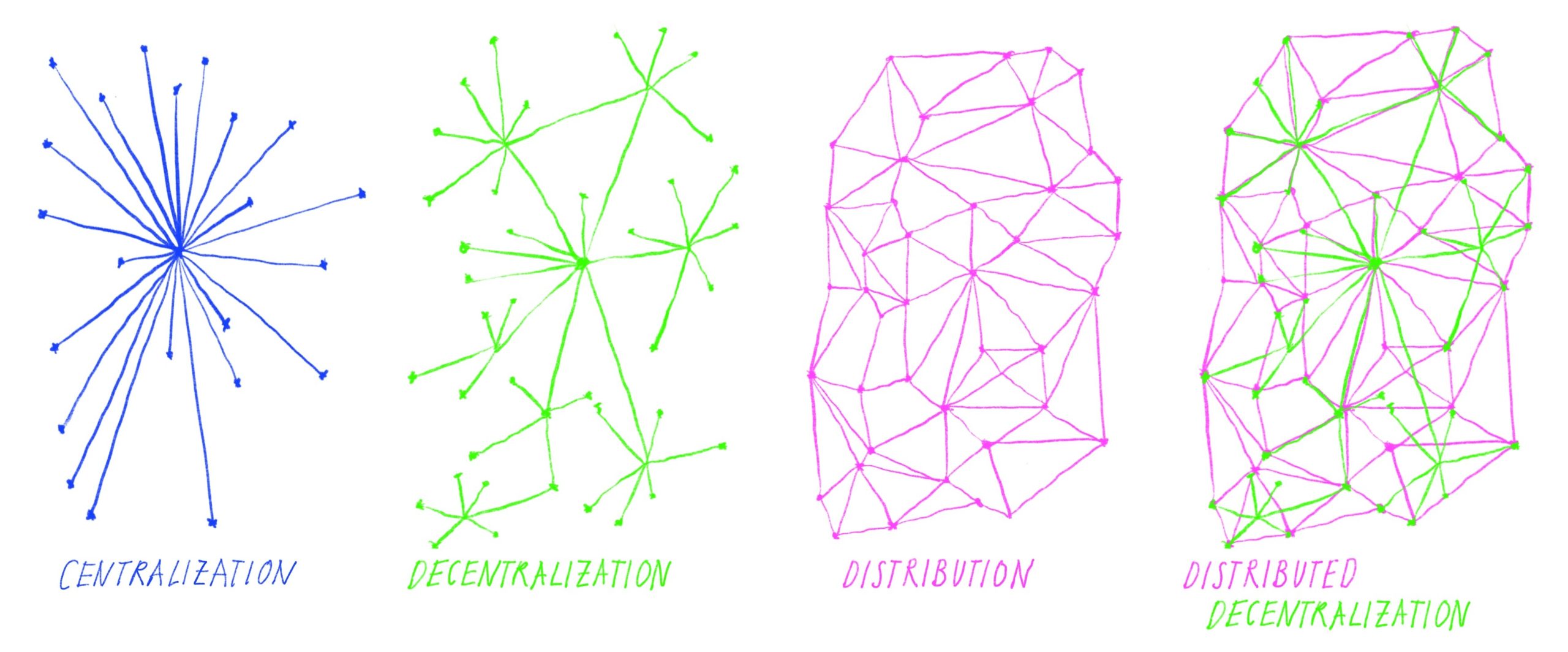
In the digital age, decentralized religious networks face a unique paradox. While digital platforms have allowed faith groups to scale globally without the need for centralized institutional oversight, this lack of structure has opened the door to a proliferation of theological disinformation. When anyone can claim to speak for a tradition or broadcast “scriptural interpretations” without accountability, the integrity of the community’s shared belief system begins to fray.
The solution lies not in returning to rigid, opaque hierarchies, but in adopting modern cryptographic infrastructure. Blockchain technology provides the tools to establish verifiable digital identities and immutable archives of teaching. By leveraging decentralized authentication, religious networks can ensure that community members have access to authentic, vetted theological content while maintaining the freedom and decentralization that define their organizations.
Key Concepts
To understand how blockchain secures theological discourse, we must look at two core concepts: Self-Sovereign Identity (SSI) and Cryptographic Provenance.
Self-Sovereign Identity (SSI) allows religious leaders, scholars, and practitioners to manage their own digital credentials without relying on a central authority. In a religious context, this might mean a scholar holds a “credential” on the blockchain that verifies their ordination or theological training, issued by an authorized council. This credential cannot be forged, and it remains under the individual’s control.
Cryptographic Provenance refers to the ability to verify the origin and history of a piece of digital information. If a document, video, or audio sermon is “signed” by a trusted source’s private key, the community can instantly verify that the content hasn’t been tampered with or misattributed. This is the blockchain equivalent of a wax seal on a historical parchment, updated for the 21st century.
Implementing blockchain authentication does not require a religious group to abandon its grassroots nature. It requires a commitment to a transparent “Truth Layer.”
Establish a Governance DAO (Decentralized Autonomous Organization): Create a governing body that defines the criteria for “authorized” voices. This DAO maintains a registry of public keys belonging to verified scholars, clergy, or teachers.
Issue Verifiable Credentials: Using SSI standards, the DAO issues digital certificates to qualified individuals. These certificates are stored in the holder’s digital wallet and prove their status as a legitimate representative of the tradition.
Deploy an Immutable Archive: Store foundational texts, vetted commentaries, and official pastoral letters on a decentralized file system (like IPFS). Hash these files onto the blockchain so that any future alteration would result in a “hash mismatch,” alerting users that the content has been compromised.
Integrate Verification Plugins: Develop browser extensions or website widgets that check the cryptographic signature of content against the DAO’s registry. If a user lands on a page with “unauthorized” theological claims, the plugin provides a visual indicator that the source is not recognized by the established community.
Continuous Validation: Use a multisig (multi-signature) process for new canonical entries. For a text to be added to the permanent, verified library, it requires approval from a predetermined number of authenticated scholars.
Examples and Real-World Applications
While the concept is nascent, several sectors are providing models for how religious networks might apply these technologies.
The power of blockchain isn’t in replacing the priest or the teacher; it is in providing the congregation with a “tamper-proof” record of their wisdom, ensuring that the message received is the message sent.
Verified Educational Networks: Imagine a global religious organization that offers seminary courses. Upon completion, a student receives an NFT (Non-Fungible Token) representing their degree. This NFT serves as an authenticated badge on their profile, allowing them to participate in advanced theological discussions or pastoral roles within the network. This eliminates the risk of “theological imposters” who fabricate their credentials.
Authenticated Prophetic/Pastoral Archives: A network could record the signatures of its historical sermons on a blockchain. If a malicious actor creates a deep-fake video or edits a transcript to mislead the community, the hash of that content will not match the registered signature in the immutable ledger. Users can instantly distinguish between authentic teachings and AI-generated disinformation.
Common Mistakes
Transitioning to decentralized authentication is a technical and cultural challenge. Avoiding these pitfalls is essential for community adoption.
Over-Centralization: Some networks attempt to build a blockchain but grant a single administrator total control over the private keys. This recreates the very institutional failure that decentralization seeks to avoid. True decentralization must be rooted in multisig governance.
Ignoring Privacy: Forcing members to link real-world identities to their blockchain activity can expose them to persecution in restrictive regions. Utilize privacy-preserving technology to allow members to be “verified” as legitimate members without revealing personally identifiable information (PII).
Ignoring User Experience (UX): If the technology is too difficult for the average congregant to use, it will fail. Focus on “invisible” blockchain integration, where the verification happens in the background, rather than forcing users to manage complex wallet interfaces.
Exclusionary Gatekeeping: A common mistake is using the technology to “censor” all dissent. The goal should be authentication of source, not necessarily the elimination of all competing ideas, which can lead to backlash and community fractures.
Advanced Tips
To truly future-proof a religious network, consider the following advanced strategies:
Zero-Knowledge Proofs (ZKPs): This is the gold standard for privacy. A user can prove they possess a valid ordination certificate or a specific level of theological education without revealing which seminary they attended or even their actual name. ZKPs allow for a “Verified Member” badge to be applied to an account while keeping the user’s identity entirely private.
Oracle Integration: Use decentralized oracles to bridge real-world events with the blockchain. If a religious network relies on specific dates or external events for its liturgical calendar, oracles can provide tamper-proof data to ensure that automated messages or community-wide activities remain perfectly synchronized with the tradition’s core timing.
Incentive Structures: Use tokenized rewards to encourage community members to participate in the fact-checking process. By creating a system where users earn “reputation points” for flagging disinformation that is later confirmed as false by the DAO, you build a community-driven immune system against theological corruption.
Conclusion
The spread of theological disinformation is not merely a technical annoyance; it is an existential threat to the community fabric of decentralized religious networks. As digital tools continue to evolve, the ability to discern truth from fabrication will become a core survival skill for any faith-based organization.
By leveraging blockchain-based authentication, decentralized religious networks can reclaim their authority, protect their archives, and ensure that the teachings passed down to the next generation remain untainted. This does not require a rejection of modern connectivity. Instead, it invites religious communities to lean into the technological tools of the era to protect the timeless truths they hold dear. The path forward is one of digital integrity—where the wisdom of the past is secured by the transparency of the future.





Leave a Reply