The Physics of Decarbonization: Why Electric Aviation is a Strategic Mandate
The aviation industry sits at a precarious intersection of extreme capital intensity and rigid environmental regulation. For decades, the sector has relied on the incremental efficiency gains of hydrocarbon-based propulsion. However, the emergence of electric aviation represents more than a green initiative; it is a fundamental shift in the operational cost structure and strategy for regional mobility. Leaders who dismiss this transition as a distant technological curiosity risk being left with stranded assets as the economics of flight undergo a radical recalibration.
The Energy Density Constraint as an Operational Variable
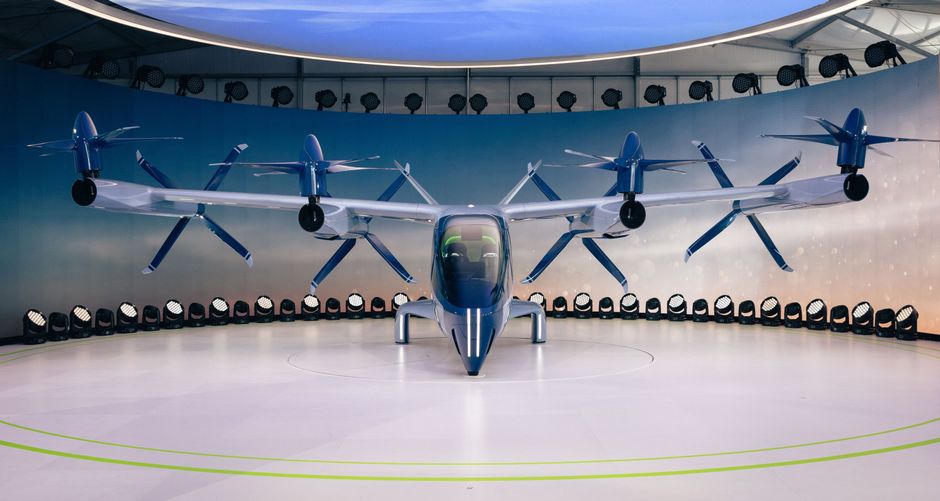
The primary barrier to electric flight is not motors, but energy density. Jet A-1 fuel holds approximately 40 times the energy per unit of mass compared to current lithium-ion batteries. This disparity dictates the mission profile: electric aviation is not currently a replacement for long-haul transoceanic flight. Instead, it is a high-performance tool for the “middle mile”—regional routes under 300 miles where the cost of maintenance and fuel for traditional turboprops is disproportionately high.
From an operational excellence perspective, electric powertrains offer a compelling advantage: simplicity. A typical combustion engine contains thousands of moving parts, each requiring scheduled inspections, lubrication, and replacement. An electric motor is a model of mechanical elegance, featuring a fraction of the components. This shift reduces the mean time between maintenance (MTBM) significantly, effectively lowering the cost-per-seat-mile for regional carriers who can master the logistics of rapid battery turnaround.
Strategic Implications for Infrastructure and Execution
Scaling electric aviation requires a departure from traditional hub-and-spoke logistics. Because electric aircraft require ground infrastructure for charging or rapid battery swapping, the execution of a successful flight program depends on localized energy management. Leaders must view their regional airports not just as departure points, but as energy nodes.
This creates a new imperative for decision-making: the integration of smart grids and renewable energy storage at the airport level. Companies that treat energy procurement as a utility-only expense will lose. Those that integrate onsite generation and storage into their fleet operations will create a structural competitive advantage, shielding themselves from the volatility of global jet fuel prices.
High-Performance Thinking in a Constrained Environment
Success in this nascent industry requires a specific brand of high-performance thinking. It demands the ability to balance long-term capital allocation with the realities of current battery chemistry. We are moving away from an era where scale was the only driver of profit. In the electric paradigm, precision—optimizing weight, drag, and turn-around times—is the primary driver of viability.
The winners will be those who resist the urge to force electric technology into roles it cannot yet fulfill. Instead, they will focus on high-frequency, short-haul routes where the operational savings of electric propulsion can be realized immediately. This is the essence of disciplined leverage: applying the right technology to the specific environment where its inherent properties provide the maximum return.
The Path Forward: Beyond the Prototype
As battery energy density continues to improve by 3% to 5% annually, the addressable market for electric aviation will expand. This is a compounding curve. Leaders must remain agile, treating their current fleet strategies as modular rather than permanent. The integration of AI for predictive maintenance and optimized flight path management will further augment the benefits of electric propulsion, allowing for real-time adjustments that maximize range and minimize energy consumption.
Electric aviation is no longer a R&D project; it is an emerging asset class. The transition will reward the patient, the analytical, and those who understand that in aviation, as in business, the most sophisticated solution is often the simplest one.