Decentralized Storage Networks: A Guide to Data Redundancy
— by
Steven Haynes
Contents
1. Introduction: Defining the shift from centralized data storage to decentralized, incentivized networks.
2. Key Concepts: Explaining data redundancy (sharding, erasure coding) and the economic model of node incentives.
3. Step-by-Step Guide: How to participate as a storage node provider.
4. Examples/Case Studies: Real-world comparison between traditional cloud providers (AWS) and decentralized alternatives (Filecoin, Storj).
5. Common Mistakes: Misconfigurations, hardware limitations, and economic risks.
6. Advanced Tips: Optimizing uptime, network latency, and multi-protocol participation.
7. Conclusion: The future of decentralized storage.
***
Decentralized Data Redundancy: Mastering Incentivized Storage Networks
Introduction
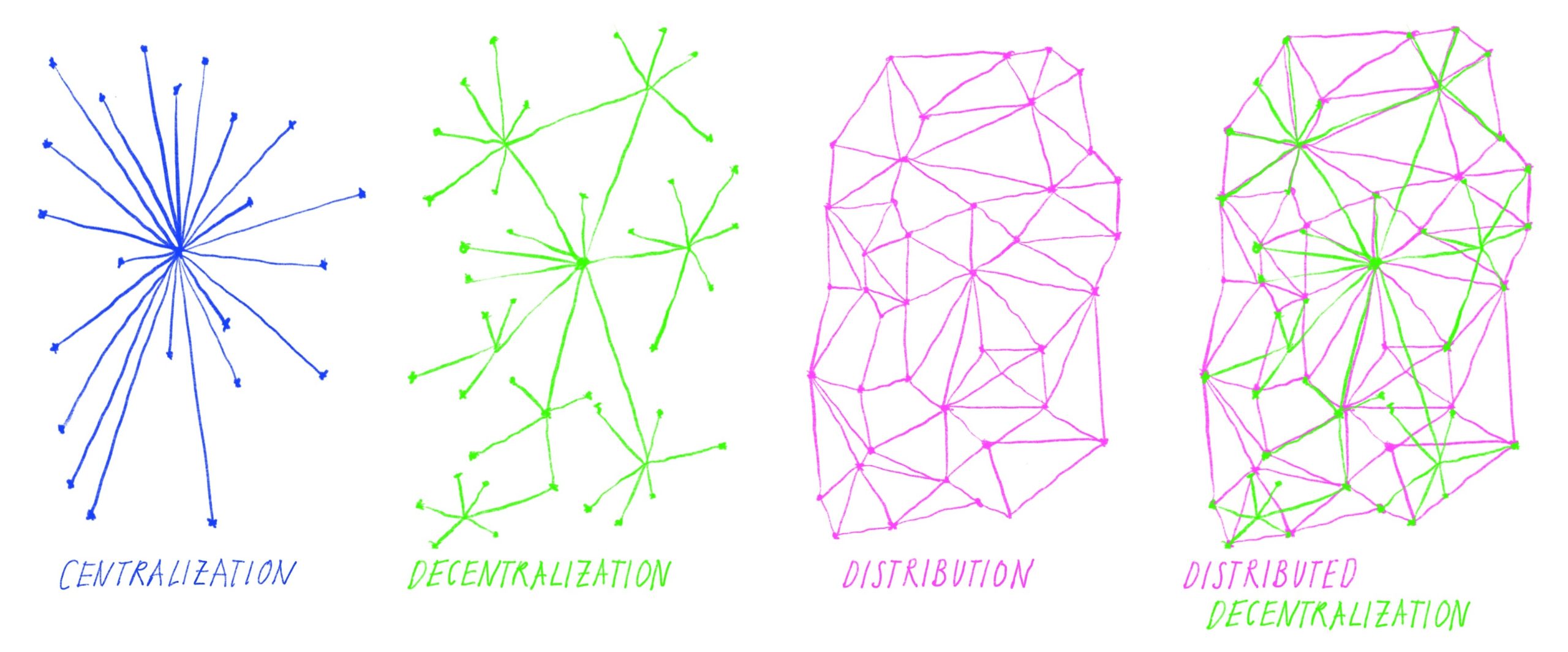
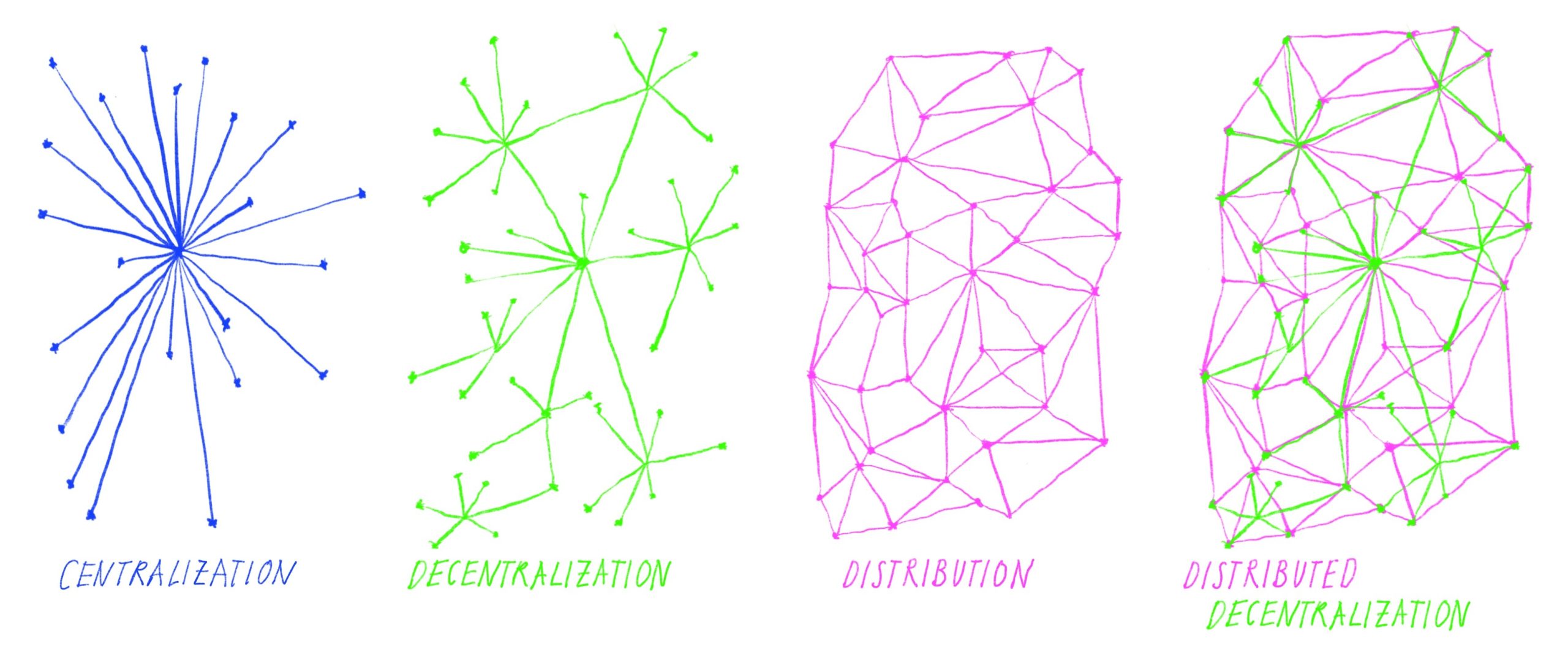
For decades, the digital world has relied on centralized data silos. If you host your data on a major cloud provider, you are trusting a single corporation to maintain your files. However, the rise of decentralized storage networks has introduced a paradigm shift: data redundancy is no longer managed by a central administrator, but by a global fleet of incentivized nodes.
In these networks, your data is encrypted, sharded, and distributed across the globe. The “glue” holding this system together is an economic incentive model. Nodes are rewarded for their uptime, storage capacity, and bandwidth, ensuring that the network remains resilient, fast, and censorship-resistant. Understanding how to leverage or contribute to these networks is essential for anyone looking to future-proof their data infrastructure.
Key Concepts
To understand incentivized storage, you must grasp two fundamental pillars: Erasure Coding and Proof-of-Storage.
Erasure Coding (Redundancy): Instead of simply copying a file three times (which is inefficient), decentralized networks use erasure coding. This breaks a file into fragments and adds redundant “parity” pieces. If you lose a portion of the nodes holding your data, the original file can still be reconstructed mathematically from the remaining pieces. This provides high durability with significantly less storage overhead than traditional mirroring.
Incentivized Node Economics: Decentralized networks require a mechanism to ensure nodes actually store the data they claim to hold. Through Proof-of-Spacetime or Proof-of-Replication, the network periodically audits nodes. If a node proves it has the data, it receives a token reward. If it fails the audit or goes offline, it loses its stake or misses out on payouts. This alignment of financial interest ensures the network maintains high availability.
Step-by-Step Guide: Becoming a Storage Node Provider
If you have excess storage capacity, you can turn your hardware into an income-generating asset. Here is the standard workflow for joining an incentivized storage network:
Hardware Audit: Ensure your machine meets the minimum requirements. Reliability is more important than speed. A stable internet connection and high-quality solid-state drives (SSDs) are generally required to pass network audits.
Wallet Configuration: You will need a digital wallet to receive payouts. This wallet is tied to your node’s identity on the blockchain. Always use a cold-storage or hardware-backed wallet for long-term reward accumulation.
Node Software Installation: Download the official client for your chosen protocol (e.g., Filecoin, Storj, or Arweave). These clients manage the communication between your machine and the network’s audit servers.
Staking Collateral: Most networks require “staking.” You must lock up a small amount of the network’s native token as collateral. This acts as a security deposit to ensure you act honestly.
Monitoring and Maintenance: Once live, use a dashboard to monitor uptime. Most networks penalize nodes that drop below 99% availability. Implement automated alerts to notify you if your node goes offline.
Examples and Case Studies
The transition from centralized to decentralized storage is best illustrated by looking at how different protocols solve the “redundancy problem.”
Storj vs. AWS S3: In a traditional AWS S3 setup, redundancy is managed by Amazon. You pay for the storage and the bandwidth, and they manage the replication. In contrast, Storj utilizes a decentralized network of thousands of independent nodes. Because Storj uses erasure coding, a file stored on the network can be reconstructed even if dozens of nodes go offline simultaneously. Users pay significantly less than AWS rates because they are not paying for the overhead of massive, proprietary data centers.
Arweave’s “Permaweb”: Arweave takes a different approach by focusing on permanent storage. Rather than relying on monthly subscription fees, users pay a one-time endowment fee. This fee is invested to generate interest that covers the cost of storage in perpetuity. This is a game-changer for archiving historical data, as it eliminates the risk of “link rot” or data deletion due to missed payments.
Common Mistakes
Entering the decentralized storage space requires technical discipline. Avoid these frequent pitfalls:
Ignoring Latency: If you are running a storage node, your physical location matters. If your node is too far from the network’s gateway, you will fail latency checks, which can lead to lower rewards or disqualification.
Underestimating Hardware Wear: Consumer-grade hard drives are not designed for the constant read/write cycles of a storage node. Use Enterprise-grade or NAS-specific drives to avoid sudden hardware failure.
Insufficient Power/Network Redundancy: If your node goes offline during a power outage or ISP maintenance, you lose the reward for that period. A simple UPS (Uninterruptible Power Supply) and a secondary internet connection can be the difference between a profitable node and one that loses money.
Over-leveraging: Do not stake more than you can afford to lose. While these networks are designed to be secure, they are still early-stage technology and carry protocol-level risks.
Advanced Tips
To maximize the efficiency and profitability of your storage contribution, consider these advanced strategies:
Optimize for Throughput: If you are participating in a network that emphasizes bandwidth, ensure your machine is not bottlenecked by a slow CPU. The process of encrypting and sharding data on-the-fly requires consistent processing power.
Diversify Across Protocols: Don’t put all your storage capacity into a single network. By splitting your hardware resources across multiple protocols, you mitigate the risk of a single network’s token value crashing or a specific protocol failing.
Use Containerization: Deploy your nodes using Docker or similar containerization tools. This makes it significantly easier to manage updates, migrate your node to new hardware, and maintain a clean environment that won’t conflict with other applications on your system.
Monitor Network Difficulty: As more nodes join a network, the “difficulty” of winning rewards may increase. Keep a pulse on the network’s growth charts to determine if your current hardware investment is still providing an optimal return on investment (ROI).
Conclusion
Data redundancy maintained through incentivized storage nodes represents the next evolution of the internet’s infrastructure. By replacing centralized trust with cryptographically verifiable incentives, these networks offer a more resilient and cost-effective way to store the world’s information.
The future of data is not held by one, but by many. By understanding the mechanics of erasure coding and node incentives, you are not just participating in a market—you are helping to build the foundation of a decentralized digital landscape.
Whether you are an enterprise looking for cheaper, more durable storage or an individual looking to monetize your hardware, the decentralized storage ecosystem offers a robust path forward. Start small, prioritize uptime, and stay informed on protocol developments to navigate this space successfully.




Leave a Reply