
Uncategorized
-
Standardized reporting formats allow for consistent monitoring of AI performance against ethical benchmarks.
Contents 1. Introduction: The crisis of trust in AI; defining the gap between “black-box” models and ethical accountability. 2. Key Concepts: Understanding AI Ethics (bias, transparency, fairness) and the role of Standardized Reporting (Model Cards, Datasheets). 3. Step-by-Step Guide: Implementing a standardized reporting framework within an organization. 4. Examples and Case Studies: Analysis of Google’s…
-

Legislative agendas should prioritize the protection of human dignity in all automated decision processes.
Contents 1. Introduction: Defining the intersection of human dignity and algorithmic governance. 2. Key Concepts: Defining “Human Dignity” in the digital age, algorithmic bias, and the “Black Box” problem. 3. Step-by-Step Guide: How legislators can codify dignity into law (Procurement, Impact Assessments, Human-in-the-loop). 4. Examples/Case Studies: Predictive policing in the US and social welfare fraud…
-

Regulatory sandboxes allow for testing ethical AI protocols in controlled, low-risk environments.
Building Trust Through Innovation: How Regulatory Sandboxes Shape Ethical AI Introduction The rapid proliferation of Artificial Intelligence has outpaced the legislative frameworks designed to govern it. Organizations find themselves caught in a paradox: they want to innovate to remain competitive, yet they fear the legal and ethical repercussions of deploying flawed or biased algorithms. This…
-

Faith-based NGOs can act as independent monitors for the ethical deployment of AI in public services.
Faith-Based NGOs as Independent Monitors for Ethical AI in Public Services Introduction As governments globally accelerate the integration of Artificial Intelligence (AI) into public infrastructure—ranging from automated welfare eligibility assessments to predictive policing and healthcare triage—the risks of algorithmic bias and systemic exclusion have reached a critical inflection point. While technical audits are essential, they…
-

Collaborative workshops between tech consortiums and faith leaders facilitate the translation of abstract ethics into code.
Bridging the Binary: How Collaborative Workshops Translate Faith-Based Ethics into Algorithmic Code Introduction For years, the tech industry has treated ethics as an afterthought—a compliance checkbox or a post-deployment PR mitigation strategy. Meanwhile, global religious and philosophical traditions have spent millennia codifying human values, justice, and the definition of “the good life.” As artificial intelligence…
-

Periodic policy reviews are essential to keep pace with the rapid evolution of artificial intelligence.
Contents 1. Main Title: The Living Policy: Why Periodic AI Review Cycles Are Your Best Defense 2. Introduction: The concept of “AI Drift” and why static policies fail in a dynamic tech landscape. 3. Key Concepts: Defining AI Policy Governance, Technical Debt in AI, and the “Regulatory Lag.” 4. Step-by-Step Guide: A 5-phase framework for…
-

Establishing clear liability pathways ensures that developers remain accountable for unintended algorithmic outputs.
Contents 1. Introduction: The “Black Box” dilemma in modern software development and the urgent need for legal and operational clarity. 2. Key Concepts: Understanding algorithmic accountability, the distinction between autonomous behavior and coding oversight, and the shift from “product” to “process” liability. 3. Step-by-Step Guide: Implementing a framework for liability mapping, including auditing, documentation, and…
-
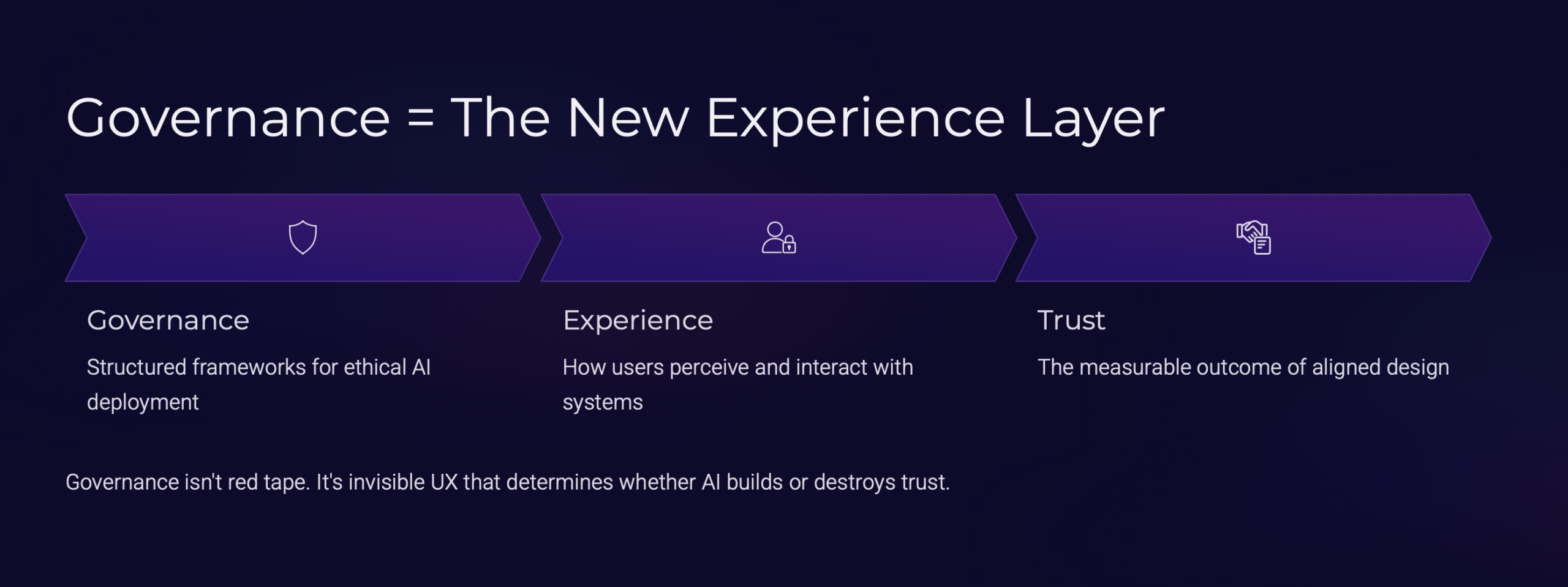
Governance councils should include theological experts to evaluate the moral implications of algorithmic bias.
Outline Introduction: The limitations of purely technical oversight in AI governance and the necessity of moral frameworks. Key Concepts: Defining algorithmic bias as a theological and ethical challenge rather than just a technical bug. The Value of Theological Expertise: Why scholars of ethics, justice, and human dignity offer unique perspectives on algorithmic impact. Step-by-Step Guide:…
-
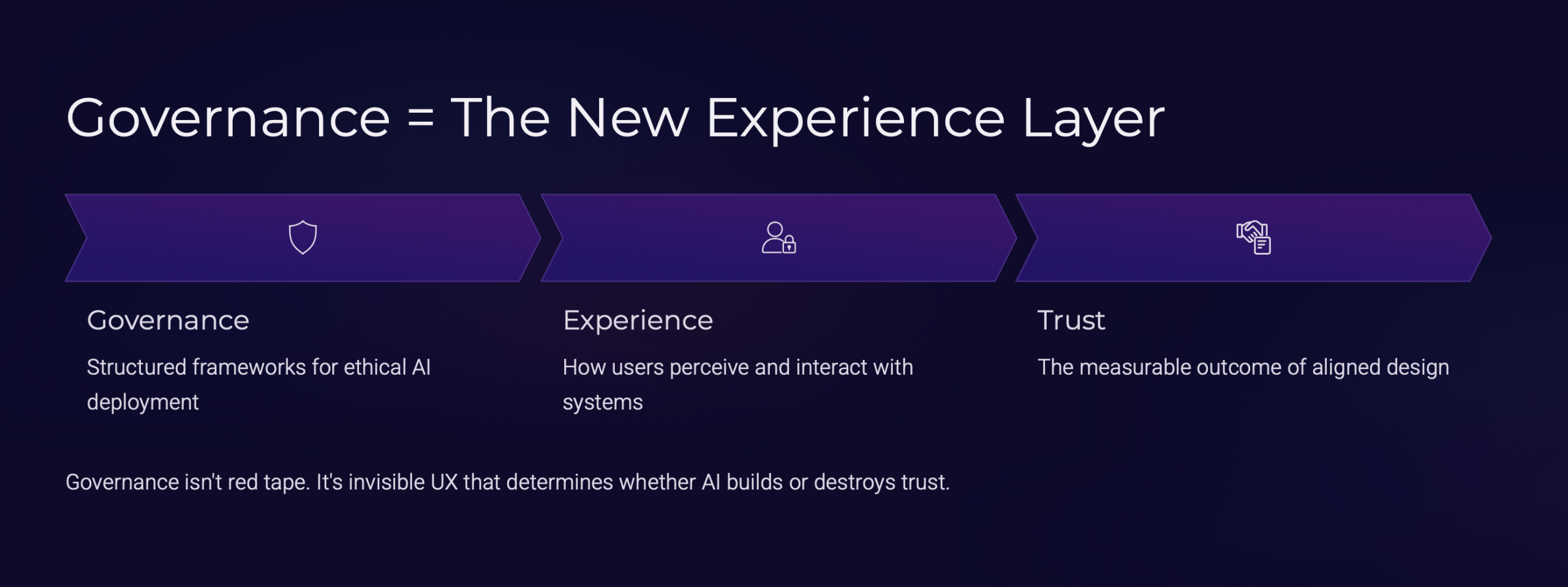
Governance documents must clearly define the scope of AI autonomy within religious and social spaces.
Defining the Boundaries: Why AI Autonomy Requires Strict Governance in Religious and Social Spaces Introduction The integration of Artificial Intelligence into our social fabric is no longer a futuristic concept; it is an immediate reality. From AI-driven pastoral care chatbots to algorithmic curation in community forums, technology is increasingly mediating how we worship, socialize, and…
-

Transparency protocols require AI developers to disclose data sourcing methods to oversight bodies.
Outline Introduction: The shift from “black box” AI to accountable systems. Key Concepts: Defining Data Sourcing Transparency and the role of oversight bodies (e.g., EU AI Act, NIST frameworks). Step-by-Step Guide: Implementing data provenance and traceability protocols. Real-World Applications: How firms like Hugging Face or Adobe manage data transparency. Common Mistakes: Pitfalls in documentation and…