
Uncategorized
-

International standards organizations provide the baseline for interoperable ethicalAI across global borders.
Outline Introduction: The fragmentation of AI ethics and the necessity of a global “lingua franca.” Key Concepts: Defining technical standardization (ISO/IEC) vs. regulatory frameworks. The Role of International Standards: How organizations like ISO, IEEE, and NIST bridge the interoperability gap. Step-by-Step Guide: How organizations can adopt international AI standards. Real-World Applications: Cross-border deployment success stories…
-

Ethical algorithms can help identify and support vulnerable individuals within digital religious networks effectively.
The Digital Shepherd: Leveraging Ethical Algorithms to Support Vulnerable Individuals in Religious Networks Introduction The digital age has fundamentally transformed the landscape of faith-based communities. Where once support networks were strictly geographic, they are now expansive, global, and data-driven. However, as religious organizations move online, they face a double-edged sword: the unprecedented ability to reach…
-

Collaborative workshops between tech consortiums and faith leaders facilitate the translation of abstract ethics into code.
From Theology to Technology: Translating Abstract Ethics into Algorithmic Code Introduction The rapid acceleration of artificial intelligence and automated decision-making systems has outpaced our ability to regulate them through traditional legal frameworks. As algorithms begin to make high-stakes determinations in hiring, lending, healthcare, and criminal justice, a critical gap has emerged: the translation of human…
-

Codifying non-discrimination clauses into AI procurement policies prevents systemic marginalization of minority groups.
Contents 1. Introduction: The urgency of AI procurement in preventing algorithmic bias. 2. Key Concepts: Defining algorithmic fairness, non-discrimination clauses, and the procurement lifecycle. 3. Step-by-Step Guide: How to draft, implement, and audit procurement clauses. 4. Real-World Applications: Examples from public sector and enterprise policy. 5. Common Mistakes: Why “check-the-box” compliance fails. 6. Advanced Tips:…
-
The digital transformation of religion is not merely a change in medium but a fundamental shift in perception.
The Digital Transformation of Religion: A Fundamental Shift in Human Perception Introduction For millennia, religious experience was tethered to geography. To encounter the divine, one walked to a temple, sat in a pew, or gathered around a sacred fire. The medium of religion was physical space—a tangible container for transcendence. Today, that container has shattered.…
-
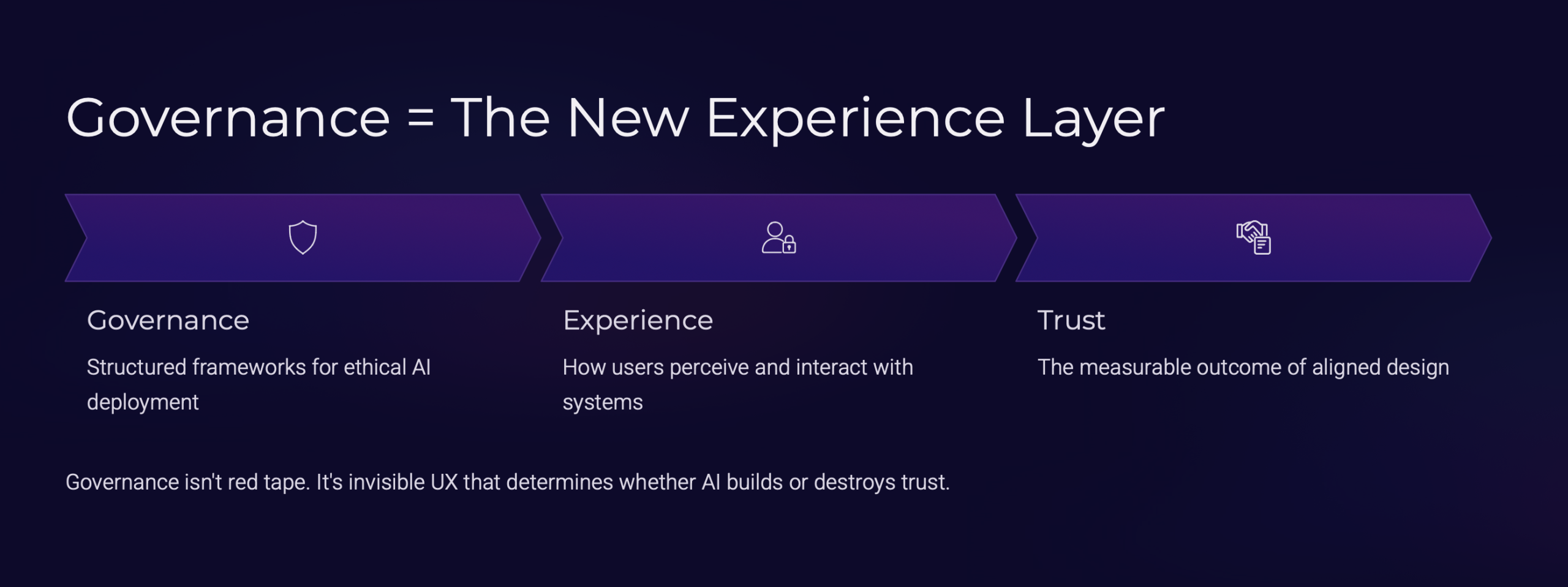
Governance councils should include theological experts to evaluate the moral implications of algorithmic bias.
Outline Introduction: The intersection of Silicon Valley and the Soul. Why technical audits are insufficient for moral machine learning. Key Concepts: Defining theological expertise beyond “religion.” The role of value-based frameworks in algorithmic impact assessments. Step-by-Step Guide: Implementing interdisciplinary governance councils. Case Studies: Predictive policing, credit scoring, and the human dignity factor. Common Mistakes: The…
-

Religious organizations provide the moral vocabulary necessary to discuss the existential risks posed by AI.
The Architecture of Meaning: Why Religious Frameworks are Essential for Navigating AI Existential Risk Introduction We are currently witnessing a technological shift that transcends mere innovation; we are approaching an ontological frontier. As Artificial Intelligence systems move from specialized tools to general agents, the conversation surrounding “existential risk”—the possibility that AI could fundamentally alter or…
-

Transparency protocols require AI developers to disclose data sourcing methods to oversight bodies.
Outline Introduction: The shift from “black box” AI to accountable systems. Key Concepts: Defining Data Provenance, Transparency Protocols, and Oversight Bodies. Step-by-Step Guide: How organizations can implement data sourcing disclosure frameworks. Case Studies: The EU AI Act and voluntary industry standards (e.g., Hugging Face/C2PA). Common Mistakes: Over-reliance on “black box” claims and failure to document…
-
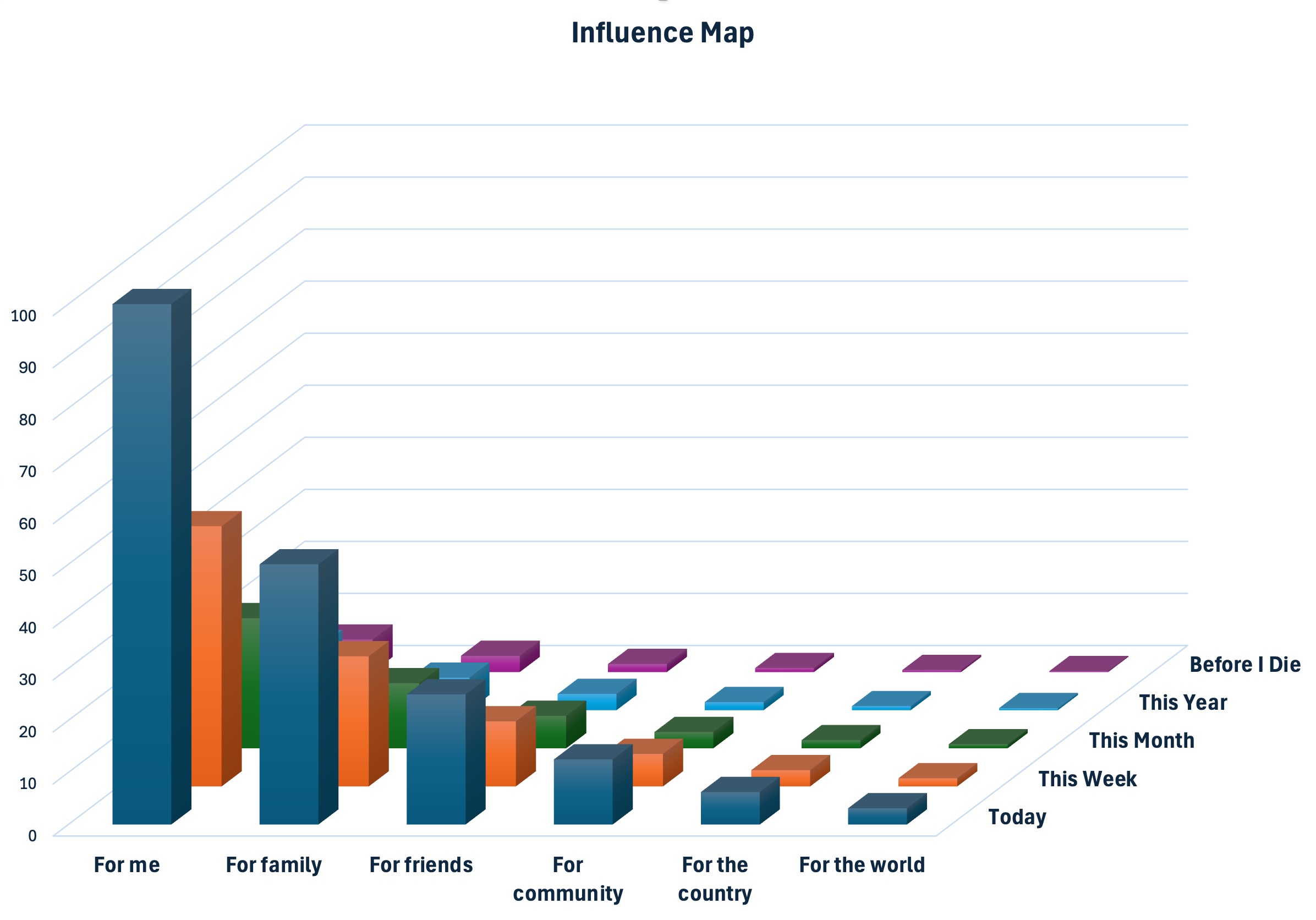
The influence of religious ethics on AI development promotes a more sustainable and equitable technological future.
Outline Introduction: Bridging the gap between ancient wisdom and modern code. Key Concepts: Defining religious ethics in the context of AI (Stewardship, Human Dignity, Justice). Step-by-Step Guide: Integrating ethical frameworks into the software development lifecycle (SDLC). Real-World Case Studies: How religious institutions and tech giants are collaborating on “Human-Centric AI.” Common Mistakes: Pitfalls in AI…
-

Legal frameworks must define accountability structures for autonomous systems utilized by religious organizations.
Outline 1. Introduction: The intersection of faith and technology, and the governance gap regarding autonomous systems in religious institutions. 2. Key Concepts: Defining “autonomous systems” (AI, chatbots, automated decision-makers) in a religious context and the legal concept of “algorithmic accountability.” 3. The Risks of Undefined Accountability: Why traditional liability models fail when applied to theology-informed…