
Contents
1. Introduction: The crisis of trust in AI; defining the gap between “black-box” models and ethical accountability.
2. Key Concepts: Understanding AI Ethics (bias, transparency, fairness) and the role of Standardized Reporting (Model Cards, Datasheets).
3. Step-by-Step Guide: Implementing a standardized reporting framework within an organization.
4. Examples and Case Studies: Analysis of Google’s Model Cards and the NIST AI Risk Management Framework.
5. Common Mistakes: Avoiding the “compliance-only” mindset and the problem of static documentation.
6. Advanced Tips: Integrating automated monitoring and cross-departmental auditing.
7. Conclusion: The shift from voluntary ethics to operational standard as a competitive advantage.
***
Standardized Reporting: The Foundation of Ethical AI Accountability
Introduction
Artificial Intelligence is no longer an experimental toy; it is the engine driving high-stakes decisions in finance, healthcare, law enforcement, and human resources. However, as AI capabilities grow, so does the “black-box” problem. When a model denies a loan, flags a medical condition, or filters a job candidate, stakeholders need to understand why. Without a common language for performance and ethical standing, we are effectively flying blind.
Standardized reporting formats—such as Model Cards and Datasheets for Datasets—are not merely bureaucratic hurdles. They are the essential infrastructure for trust. By documenting how a model is built, its intended use, its known limitations, and its performance metrics, organizations can shift from reactive firefighting to proactive, systemic governance. This article explores how standardizing these reports allows for consistent monitoring against ethical benchmarks, turning “black-box” AI into accountable, reliable technology.
Key Concepts
To understand the power of standardized reporting, we must first define the core components of ethical AI governance:
- Model Cards: Think of these as “nutrition labels” for AI models. They provide a concise summary of a model’s provenance, intended use, limitations, and performance characteristics across different demographics.
- Datasheets for Datasets: These documents capture the motivation, composition, collection process, and recommended tasks for a dataset. Because AI is only as ethical as the data it consumes, these sheets are the first line of defense against systemic bias.
- Ethical Benchmarks: These are measurable performance indicators related to fairness, robustness, transparency, and privacy. An ethical benchmark might track “False Positive Rate Parity” across gender or racial groups to ensure the model doesn’t disproportionately disadvantage a specific demographic.
Standardization ensures that when an auditor, a developer, or a user looks at an AI report, they don’t have to decipher a unique, bespoke document. The consistency allows for side-by-side comparison, trend analysis over time, and automated flagging of models that drift into unethical territory.
Step-by-Step Guide
Implementing standardized reporting requires a disciplined, cross-functional approach. Follow these steps to build a robust reporting culture:
- Define your Ethical Taxonomy: Before you report, you must decide what “ethical” means for your specific domain. Does it mean privacy? Does it mean minimal demographic bias? Document these as your internal Key Performance Indicators (KPIs).
- Establish Mandatory Documentation Gates: Integrate documentation into the CI/CD (Continuous Integration/Continuous Deployment) pipeline. A model should not move from the development environment to staging without an associated Model Card.
- Automate Performance Data Collection: Manually tracking performance is error-prone. Use tools that automatically calculate performance metrics across sliced datasets (e.g., performance on users over 65 vs. users under 30) and push these directly into the report format.
- Conduct Peer Reviews: Treat Model Cards like technical architecture documents. Have a cross-functional team—comprising data scientists, legal counsel, and domain experts—review the reports for clarity and accuracy.
- Establish a Versioning System: AI models change as they are re-trained. Your reporting system must mirror this change. Every new model version should have a corresponding version of the report, enabling historical tracking of how ethical benchmarks have shifted.
Examples and Case Studies
The industry has already begun adopting these frameworks. One of the most prominent examples is the Google Model Cards framework. By providing a template that describes the “why” and “how” of a model, Google has enabled developers to understand the trade-offs in their systems, such as the relationship between accuracy and latency in voice recognition models.
Standardization does not eliminate risk; it makes risk visible. By identifying exactly where a model fails—such as a facial recognition system that performs poorly in low-light conditions—developers can prioritize resources to mitigate those specific shortcomings.
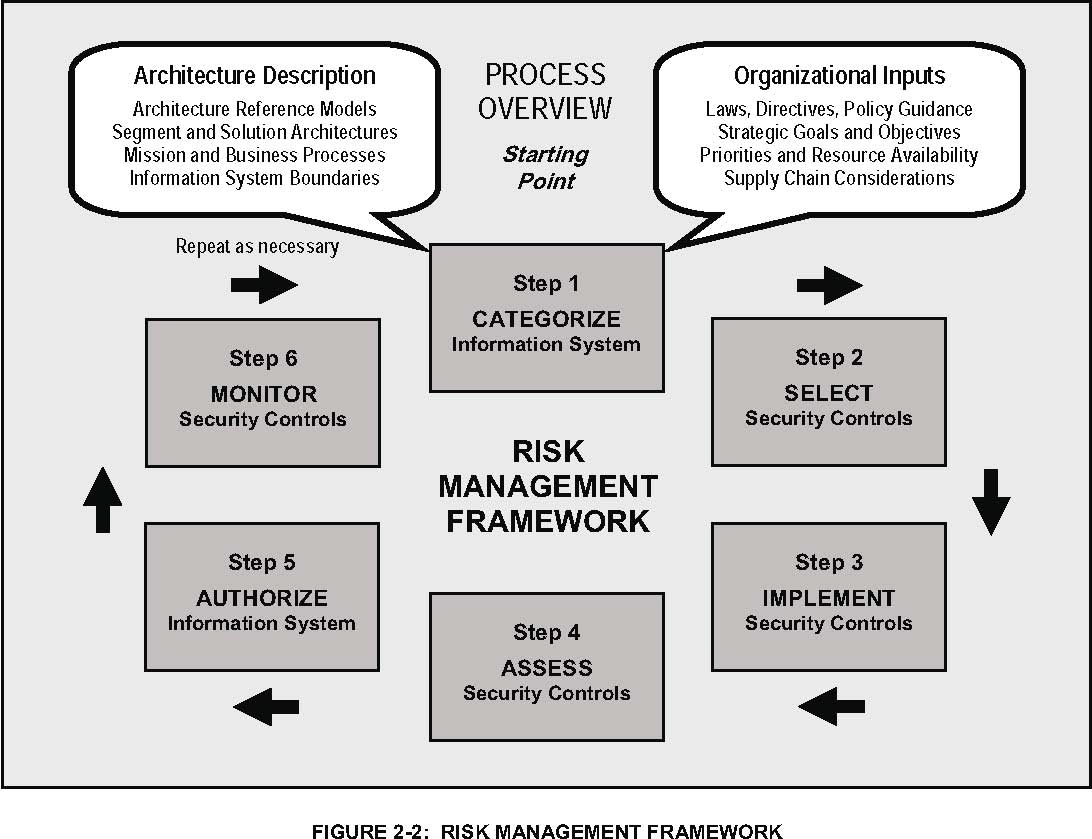
Another real-world application is the NIST AI Risk Management Framework (RMF). While not a strict report format, it encourages organizations to map, measure, and manage risks systematically. Companies using this framework rely on standardized reporting to provide the “Measure” phase with concrete evidence of compliance and risk mitigation, ensuring that their AI deployment remains within the bounds of safety and fairness.
Common Mistakes
Even well-intentioned organizations fall into common traps when implementing reporting standards:
- The “Compliance-Only” Trap: If reports are treated as checkboxes to satisfy a legal department rather than tools for actual improvement, the documentation will quickly lose its value. Documentation must be actionable, not just archival.
- Static Documentation: An AI model is a living entity. If the report is written at the time of launch and never updated, it becomes a “zombie document” that misleads users as the model’s real-world behavior evolves.
- Focusing on Technical Metrics at the Expense of Context: Reporting “99% accuracy” is meaningless if the remaining 1% represents a catastrophic failure for a specific marginalized group. Always contextualize technical performance with human impact metrics.
- Lack of Transparency regarding Limitations: There is a temptation to hide a model’s flaws. However, standardized reporting is most effective when it explicitly highlights where a model should not be used.
Advanced Tips
To move from basic compliance to operational excellence, consider these advanced strategies:
Integrate “Human-in-the-Loop” Metrics: If your AI requires human oversight, your reporting should track how often humans override the AI and why. High override rates are a signal that the model’s ethical performance is degrading or misaligned with human expectations.
Leverage External Auditing Tools: Use open-source fairness toolkits, such as IBM’s AI Fairness 360 or Microsoft’s Fairlearn, to generate objective, standardized reports on bias. When these third-party tools generate the report, it adds a layer of impartiality to your documentation.
Public-Facing Transparency: If your organization is consumer-facing, consider publishing simplified versions of your Model Cards. Transparency builds consumer trust. When customers understand that an organization is open about its limitations and ethical targets, they are more likely to forgive minor errors and advocate for the brand.
Conclusion
Standardized reporting is the bridge between the promise of artificial intelligence and its responsible application. By enforcing consistency through Model Cards and Datasheets, organizations move beyond the ambiguity of subjective ethics and into the clarity of measurable data.
These formats allow for ongoing, consistent monitoring that reveals the true behavior of algorithms in the real world. As AI continues to integrate into every facet of society, this documentation will become the primary mechanism through which we hold systems accountable. Start small—document your current models, establish clear metrics for fairness, and iterate. The goal is not perfection, but persistent, transparent improvement. By standardizing your reporting, you ensure that your ethical commitments are not just good intentions, but verifiable facts.

Leave a Reply