
Uncategorized
-

Global interpretability aims to provide a comprehensive understanding of the entire model logic.
Contents 1. Introduction: The shift from “Black Box” to “Glass Box” AI. 2. Key Concepts: Defining global interpretability vs. local interpretability. 3. Techniques and Methodologies: Feature importance, Partial Dependence Plots (PDP), and Surrogate models. 4. Step-by-Step Implementation: How to build an interpretability pipeline. 5. Real-World Applications: Banking, Healthcare, and Predictive Maintenance. 6. Common Pitfalls: Correlation…
-

Trust calibration is the goal: ensuring humans rely on the AI only when it is demonstrably accurate.
Contents 1. Introduction: Define the “Automation Bias” trap and why over-reliance on AI is as dangerous as under-reliance. 2. Key Concepts: Defining “Trust Calibration” vs. Blind Trust. The distinction between capability and reliability. 3. Step-by-Step Guide: A framework for evaluating AI outputs (The 3-Gate Verification Process). 4. Examples/Case Studies: Diagnostic medicine (AI-assisted radiology) and Financial…
-

Sensitivity analysis identifies how small changes in inputs lead to variations in output.
Outline Introduction: Defining the “What if” factor in decision-making. Key Concepts: Understanding the relationship between input volatility and output variance. Step-by-Step Guide: A practical workflow for conducting an analysis. Real-World Applications: Finance, engineering, and project management. Common Mistakes: Over-fitting, ignoring correlations, and confirmation bias. Advanced Tips: Moving from One-Factor-at-a-Time (OFAT) to Monte Carlo simulations. Conclusion:…
-
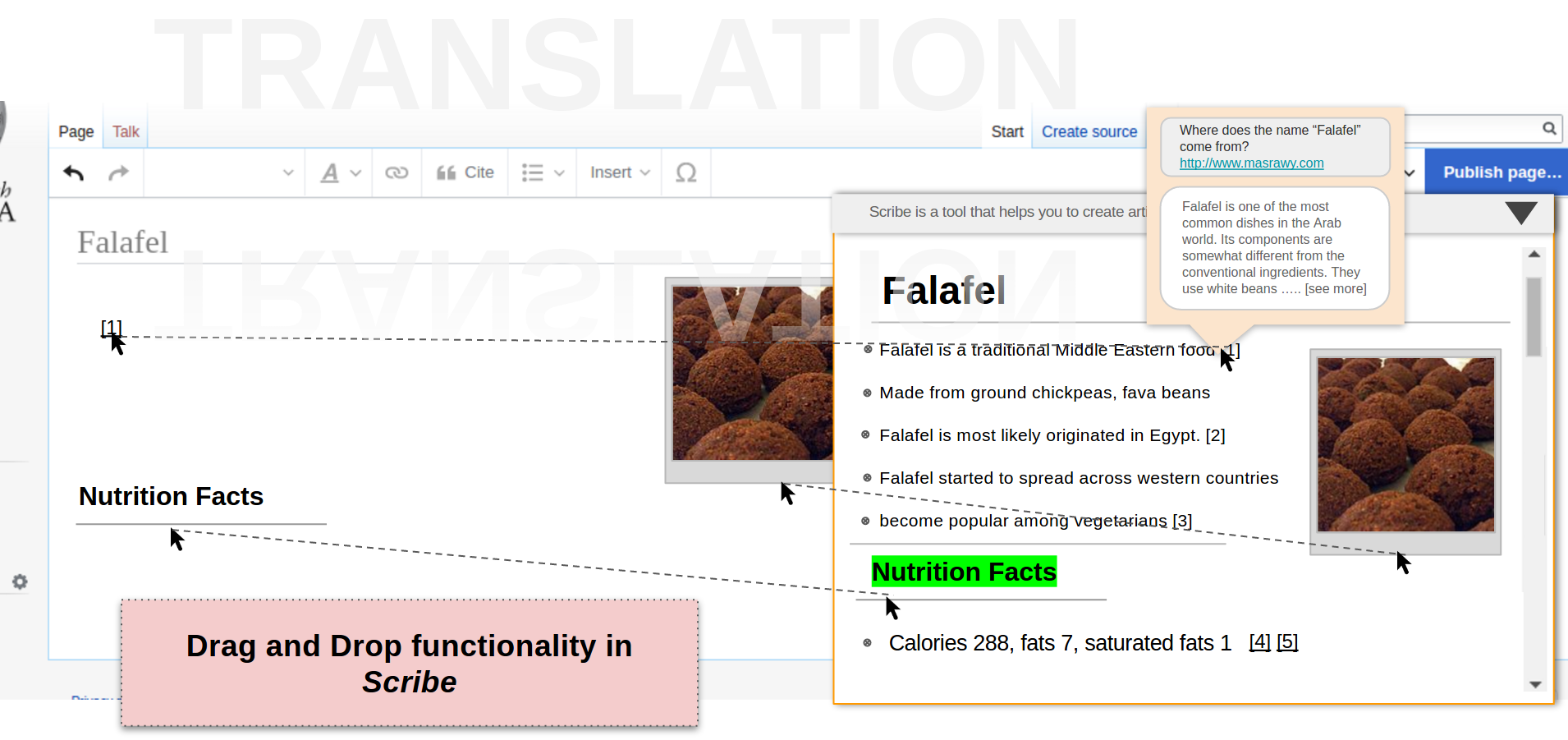
Effective XAI design must translate statistical weights into intuitive, actionable insights for non-technical experts.
Outline Introduction: The “Black Box” problem in AI and why business stakeholders don’t care about coefficients. Key Concepts: Translating mathematical weight into “Human-Readable Logic.” Step-by-Step Guide: A framework for designing effective XAI dashboards. Real-World Applications: Healthcare diagnostics and credit scoring examples. Common Mistakes: Overloading data vs. oversimplifying context. Advanced Tips: Moving from static explanations to…
-
Input perturbation involves systematically altering features to observe changes in prediction stability.
Input Perturbation: Stress-Testing Machine Learning Models for Robustness Introduction In the world of machine learning, model performance is often judged by static metrics like accuracy, precision, and recall on a hold-out test set. However, a model that performs perfectly in a pristine, controlled environment can fail catastrophically when faced with the “noisy” reality of production…
-

Feature attribution quantifies the influence of input variables on a specific model outcome.
Understanding Feature Attribution: How to Decipher Your AI Model’s Decision-Making Introduction In the modern era of machine learning, model performance is no longer measured solely by accuracy scores. As artificial intelligence systems move from sandbox environments into high-stakes industries like healthcare, finance, and criminal justice, a critical question has emerged: Why did the model make…
-

Cognitive load increases when AI explanations are overly technical, leading to”explanation fatigue” in users.
Outline Introduction: The “Black Box” problem and the irony of overly technical transparency. Key Concepts: Defining Cognitive Load Theory (CLT) and Explanation Fatigue. The Mechanics of Over-Explanation: Why more data equals less understanding. Step-by-Step Guide: Strategies for AI designers and power users to simplify outputs. Examples and Case Studies: Comparing “Technical Noise” vs. “Actionable Insights.”…
-
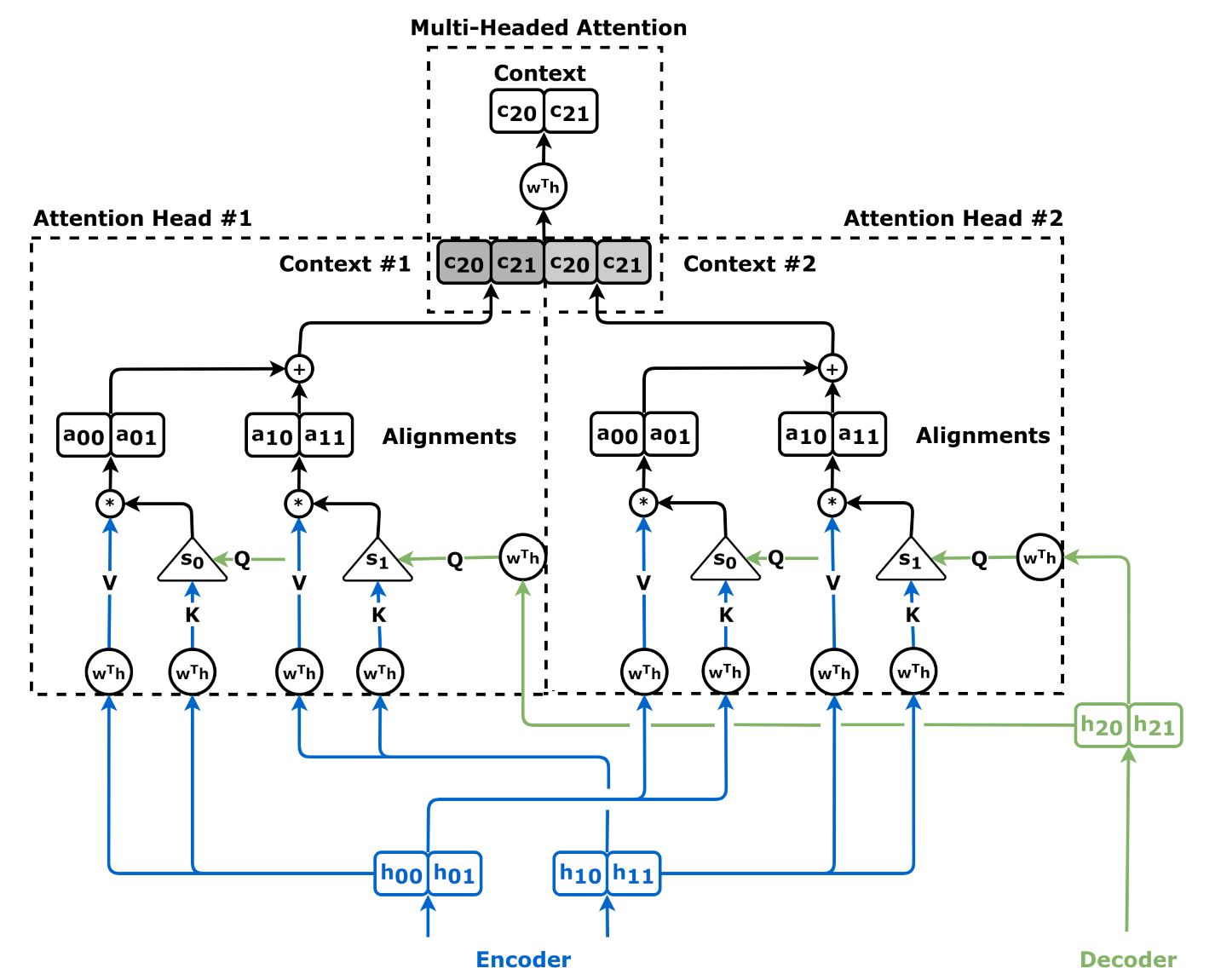
Attention mechanisms in Transformers inherently provide a form of interpretability via weight visualization.
Contents * Introduction: The “Black Box” problem in deep learning and how attention mechanisms offer a window into model logic. * Key Concepts: Defining Self-Attention, Query/Key/Value matrices, and how the Softmax output creates a “heatmap” of information flow. * Step-by-Step Guide: A technical workflow for extracting and visualizing attention weights using libraries like Hugging Face…
-
“Automation bias” leads decision-makers to accept AI outputs as objective truths without sufficient critical scrutiny.
Outline: 1. Main Title: The Algorithmic Mirage: Combating Automation Bias in the Age of AI 2. Introduction: Defining the psychological phenomenon where we trust machines over our own judgment. 3. Key Concepts: Why we default to “the machine is always right” and the role of cognitive load. 4. Step-by-Step Guide: A framework for “Human-in-the-Loop” decision-making.…
-
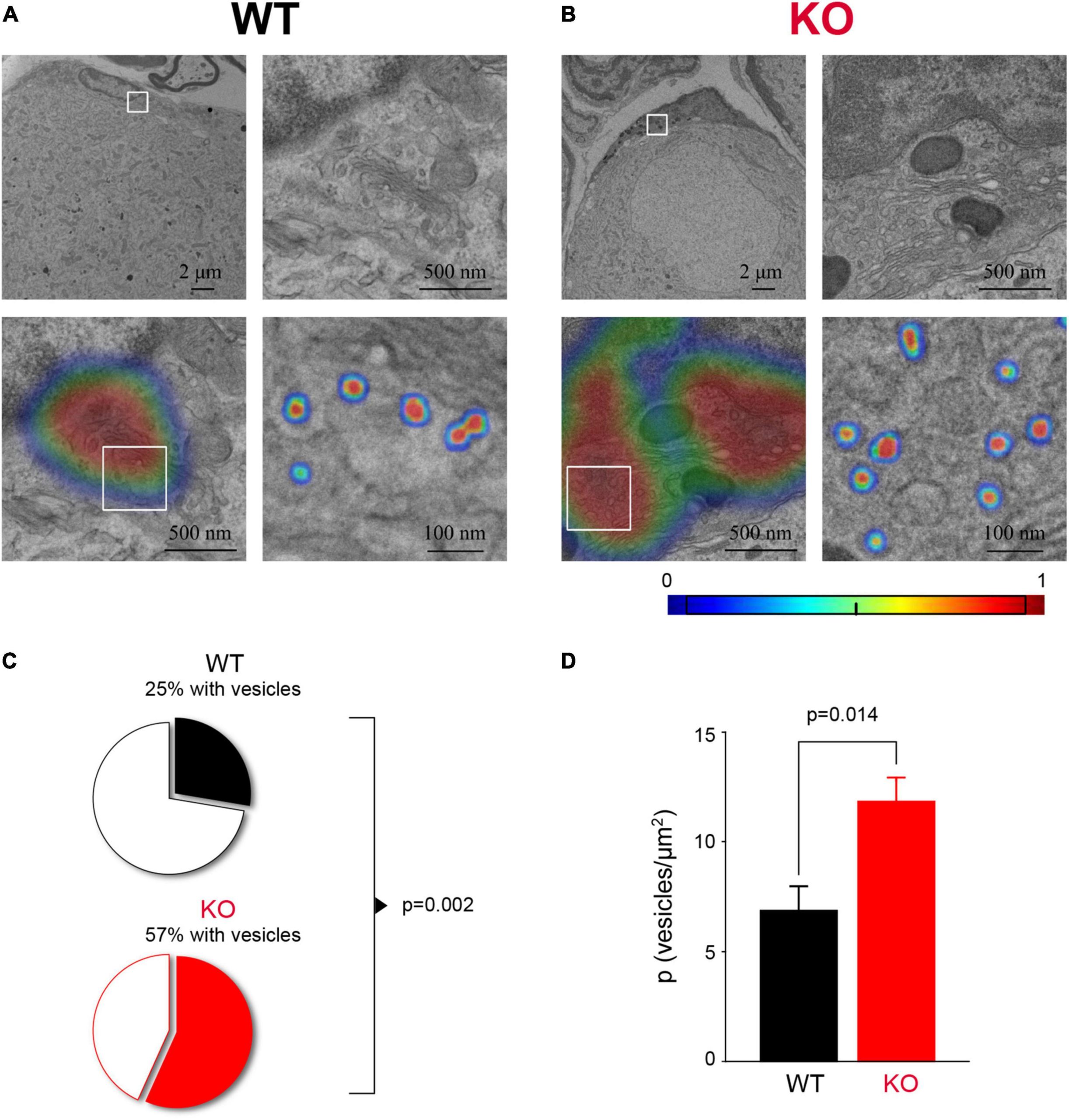
Gradient-weighted Class Activation Mapping (Grad-CAM) extends CAM to architectures without global pooling.
Demystifying Grad-CAM: How to Visualize Decisions in Deep Learning Architectures Introduction In the era of “black-box” artificial intelligence, understanding why a model makes a specific prediction is no longer a luxury—it is a necessity. Deep neural networks, particularly Convolutional Neural Networks (CNNs), are highly effective at image recognition, but their internal decision-making processes remain opaque…