
Uncategorized
-

Transparency requirements extend to providing meaningful information about the logic involved in AI-driven outcomes.
Contents 1. Introduction: The transition from “Black Box” AI to “Explainable AI” (XAI). Why transparency is a competitive advantage and a regulatory necessity. 2. Key Concepts: Defining “algorithmic transparency,” “model interpretability,” and the “right to explanation” under frameworks like the GDPR and EU AI Act. 3. Step-by-Step Guide: How organizations can audit their AI systems…
-

Inclusive design processes involve stakeholders from the earliest prototyping stages.
Inclusive Design: Why Prototyping With Stakeholders is Non-Negotiable Introduction In the world of product development, the “build it and they will come” mentality is a relic of the past. Today, the most successful products are those that solve real problems for diverse groups of people. However, many teams still fall into the trap of designing…
-

Bias disclosure statements encourage critical engagement with algorithmic findings.
Bias Disclosure Statements: Encouraging Critical Engagement with Algorithmic Findings Introduction In an era where algorithmic decision-making dictates everything from mortgage approvals to medical diagnoses, we are often tempted to treat machine outputs as objective truths. We view computers as logical, cold, and mathematically precise. However, algorithms are built by humans, trained on historical data, and…
-
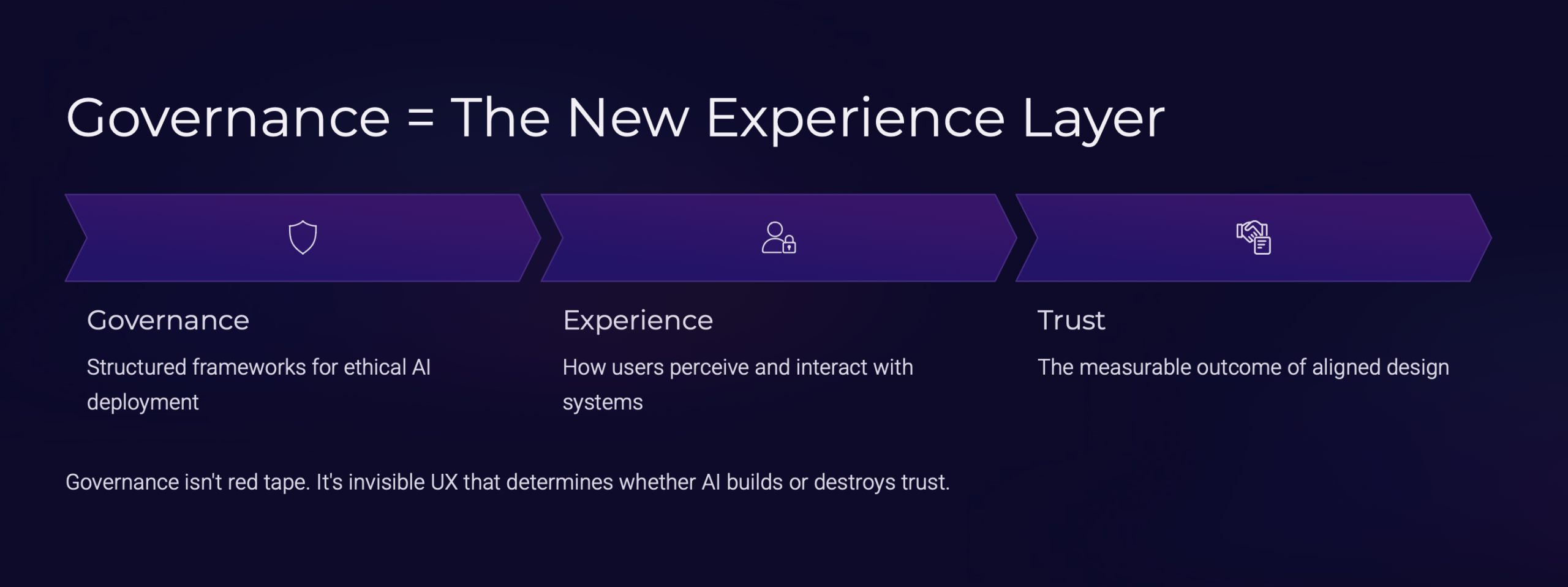
Governance structures must ensure that human-in-the-loop protocols are documented for high-stakes AI interactions.
The Governance of Oversight: Why Human-in-the-Loop Protocols Must Be Documented Introduction As artificial intelligence systems transition from experimental tools to the infrastructure of modern society, the nature of accountability is shifting. When an AI algorithm suggests a movie, the stakes are trivial. When an AI system denies a loan, recommends a medical diagnosis, or manages…
-

Simulation environments allow users to test “what-if” scenarios before deployment.
The Art of the Virtual Sandbox: Testing ‘What-If’ Scenarios Through Simulation Introduction In high-stakes environments—whether you are managing a global supply chain, designing autonomous vehicle software, or orchestrating a corporate restructuring—failure is rarely an option. Yet, the complexity of modern systems makes perfect foresight impossible. This is where simulation environments transition from a technical luxury…
-

Algorithmic accountability involves assigning clear roles for the oversight and maintenance of AI systems.
Contents 1. Introduction: Defining the “Black Box” problem and why organizational accountability is the bridge to trustworthy AI. 2. Key Concepts: Defining algorithmic accountability, the distinction between developers and operators, and the lifecycle management approach. 3. Step-by-Step Guide: Establishing a governance framework (Risk assessment, documentation, cross-functional oversight, and iterative audit cycles). 4. Case Studies: Comparing…
-

Modality switching allows users to toggle between graphical and textual views.
Outline Introduction: Defining modality switching and why it solves the “one size fits all” interface problem. Key Concepts: Understanding Cognitive Load Theory and the symbiosis between visual/spatial and linear/textual data. Step-by-Step Guide: How to architect a system that allows seamless state management between views. Real-World Applications: Kanban boards, financial dashboards, and data analytics tools. Common…
-

Legal compliance requires that model outputs be traceable to specific input data and weighting mechanisms.
The Mandate of AI Accountability: Achieving Traceability in Model Outputs Introduction For years, the “black box” nature of artificial intelligence was accepted as a necessary trade-off for the unprecedented power of deep learning. However, as AI systems move into regulated sectors like finance, healthcare, and employment, the legal landscape is shifting. Regulators, from the European…
-

Color theory should be applied to distinguish between model confidence levels.
Outline Introduction: The hidden challenge of model uncertainty in UI/UX design. Key Concepts: Understanding the psychology of color as it relates to probabilistic outputs. Step-by-Step Guide: Implementing a semantic color system for confidence intervals. Real-World Applications: AI chatbots, medical imaging, and financial forecasting. Common Mistakes: Over-saturation, accessibility failures, and cognitive overload. Advanced Tips: Combining color…
-

Explainability serves as the primary evidence during regulatory audits to demonstrate system reliability.
Contents 1. Introduction: The shift from “black-box” AI to the “audit-ready” era. 2. The Nexus of Explainability and Compliance: Why regulators (GDPR, EU AI Act, OCC) demand logic, not just output. 3. Key Concepts: Defining XAI (Explainable AI), Local vs. Global interpretability, and the “Audit Trail of Logic.” 4. Step-by-Step Guide to Audit-Proofing AI: From…