
Uncategorized
-

Clear communication protocols are necessary when explaining AI decisions to end-users and regulators.
Outline Introduction: The “Black Box” problem in AI and the urgent need for algorithmic transparency. Key Concepts: Defining Explainability (XAI), Interpretability, and Accountability in AI systems. Step-by-Step Guide: Building a communication protocol for decision-making (Data lineage, logic mapping, human-in-the-loop). Examples and Case Studies: Real-world applications in Healthcare and FinTech. Common Mistakes: Over-simplification, technical jargon, and…
-

Documentation should be accessible to both technical teams and non-technical oversight committees.
Outline Introduction: The “Translation Gap” between engineering and management. Key Concepts: The “Layered Documentation” model. Step-by-Step Guide: Implementing a multi-tier documentation strategy. Examples: Technical specification vs. executive summary. Common Mistakes: Over-engineering vs. under-explaining. Advanced Tips: Using living documents and automated abstraction. Conclusion: The bottom-line impact of shared understanding. Bridging the Gap: Why Documentation Must Serve…
-
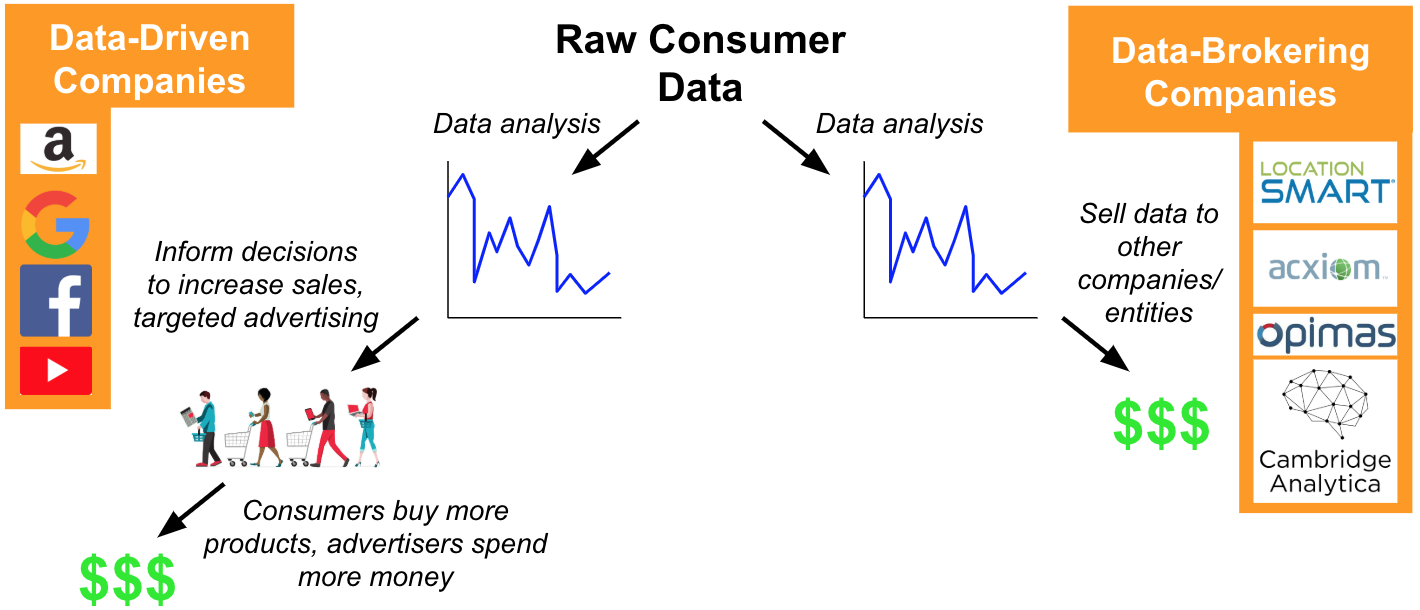
Data protection impact assessments (DPIAs) are critical for systems processing sensitive personal information.
Outline: 1. Main Title: Beyond Compliance: Mastering Data Protection Impact Assessments (DPIAs) for Sensitive Systems 2. Introduction: Defining the DPIA as a risk-management tool, not just a legal requirement. 3. Key Concepts: Distinguishing between privacy by design, risk threshold, and the “nature, scope, and context” of processing. 4. Step-by-Step Guide: A practical walkthrough of the…
-

Contractual obligations regarding AI accountability should be clearly defined with third-party vendors.
The Accountability Gap: Why Your AI Vendor Contracts Need a Rewrite Introduction Artificial Intelligence is no longer a futuristic experiment; it is the backbone of modern enterprise operations. From automated hiring filters and credit scoring models to generative content tools, businesses are increasingly outsourcing their AI capabilities to third-party vendors. However, this convenience introduces a…
-

Automated monitoring tools can assist in maintaining ongoing compliance with dynamic regulatory updates.
Outline Introduction: The shift from static to dynamic compliance and why traditional manual methods are failing in modern regulatory landscapes. Key Concepts: Defining Regulatory Technology (RegTech), continuous monitoring, and automated mapping. Step-by-Step Guide: How to implement automated monitoring, from data aggregation to remediation. Real-World Applications: Banking (AML/KYC) and Healthcare (HIPAA/GDPR) scenarios. Common Mistakes: Over-reliance on…
-

Legal teams must collaborate closely with data scientists to ensure model transparency from design.
The Strategic Imperative: Why Legal Must Partner with Data Science from Design Introduction For years, the development of artificial intelligence was treated as a purely technical endeavor. Legal teams were often brought in at the eleventh hour to “review” a finished model—essentially acting as a compliance gatekeeper before deployment. In today’s regulatory climate, where the…
-

Internal audits should be conducted at every stage of the AI lifecycle, from conception to retirement.
The Continuous Audit: Why AI Lifecycle Governance is Your Best Risk Mitigation Strategy Introduction Artificial Intelligence is no longer a peripheral experiment; it is the engine driving modern business operations, from automated customer support to high-stakes predictive analytics. However, the rapid deployment of AI often outpaces the development of oversight frameworks. Many organizations view auditing…
-
Proactive compliance reduces the risk of substantial fines associated with AIregulatory violations.
Outline Introduction: The shift from “Move Fast and Break Things” to “Compliance as a Competitive Advantage.” The Regulatory Landscape: Understanding the EU AI Act, NIST AI RMF, and sectoral regulations. Why Proactive Beats Reactive: The economics of compliance (Cost of Prevention vs. Cost of Fines). Step-by-Step Implementation Framework: A 5-phase approach to AI governance. Case…
-

Regulatory sandboxes allow for the testing of innovative AI solutions under controlled legal conditions.
Regulatory Sandboxes: Scaling AI Innovation Safely Outline Introduction: The paradox of AI speed vs. legal certainty. Key Concepts: Defining the regulatory sandbox in an AI context. Step-by-Step Guide: How organizations enter and navigate a sandbox. Real-World Case Studies: Examples from the UK, EU, and Singapore. Common Mistakes: Pitfalls to avoid during the pilot phase. Advanced…
-
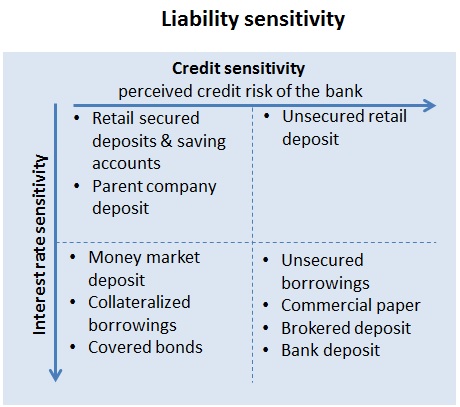
Liability frameworks are being redefined to clarify the responsibilities of developers and deployers.
Contents 1. Introduction: The shift from “black box” algorithms to legal accountability. 2. Key Concepts: Defining the split between Model Developers (AI builders) and Deployers (end-users/enterprise implementers). 3. Step-by-Step Guide: Establishing a compliance framework for businesses. 4. Real-World Applications: Analysis of EU AI Act and US Executive Order precedents. 5. Common Mistakes: Misinterpreting “Terms of…