
Outline
- Introduction: The shift from “Move Fast and Break Things” to “Compliance as a Competitive Advantage.”
- The Regulatory Landscape: Understanding the EU AI Act, NIST AI RMF, and sectoral regulations.
- Why Proactive Beats Reactive: The economics of compliance (Cost of Prevention vs. Cost of Fines).
- Step-by-Step Implementation Framework: A 5-phase approach to AI governance.
- Case Studies: Analyzing real-world regulatory impacts (GDPR precedents applied to AI).
- Common Mistakes: Pitfalls like “compliance-in-a-box” and shadow AI.
- Advanced Tips: Implementing “Human-in-the-Loop” (HITL) and Red Teaming.
- Conclusion: The future of AI resilience.
Proactive Compliance: The Strategic Defense Against AI Regulatory Fines
Introduction
For the past decade, the tech industry operated under the mantra of “move fast and break things.” In the era of Generative AI and Large Language Models (LLMs), this philosophy has become a liability. With the introduction of stringent frameworks like the EU AI Act and intensifying scrutiny from the FTC and state-level regulators, companies are finding that the cost of regulatory non-compliance far outweighs the benefits of rapid, unchecked deployment.
Proactive compliance is no longer a “nice-to-have” checkbox for legal teams; it is a fundamental business imperative. Organizations that wait for regulators to knock on their doors are already operating at a deficit, facing not only substantial financial penalties—often reaching percentages of global annual turnover—but also irreparable reputational damage and the forced suspension of their AI services.
Key Concepts
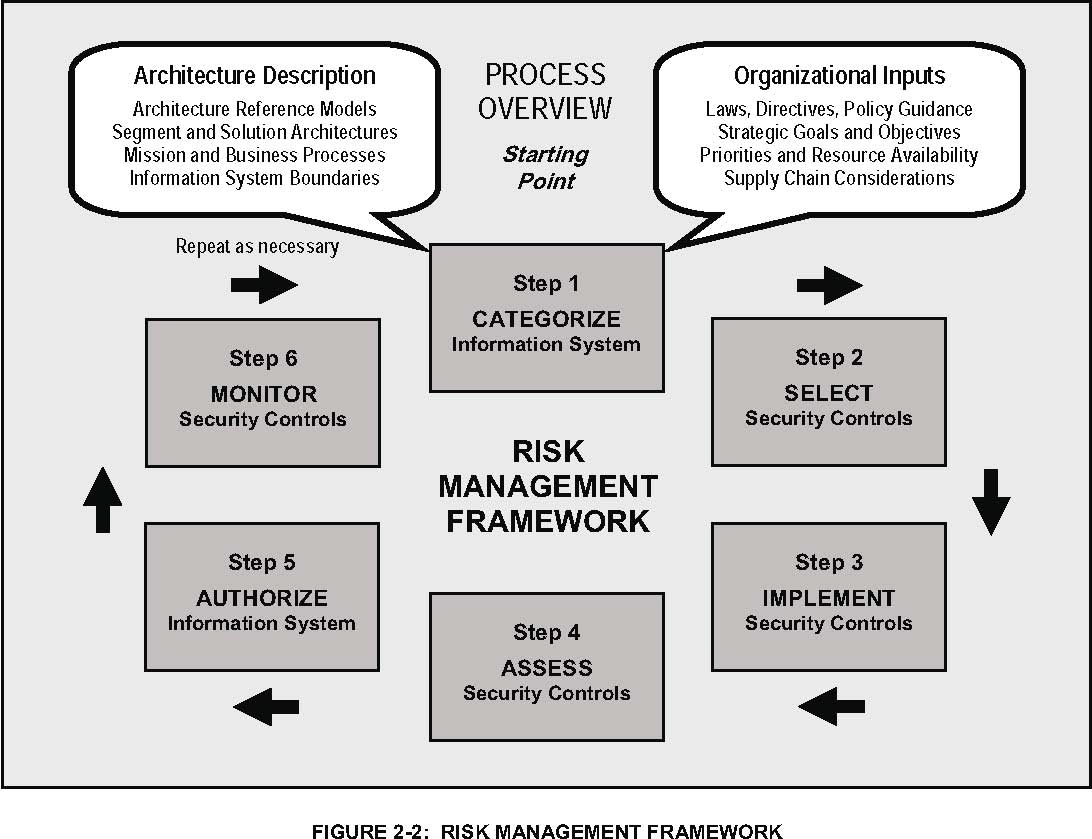
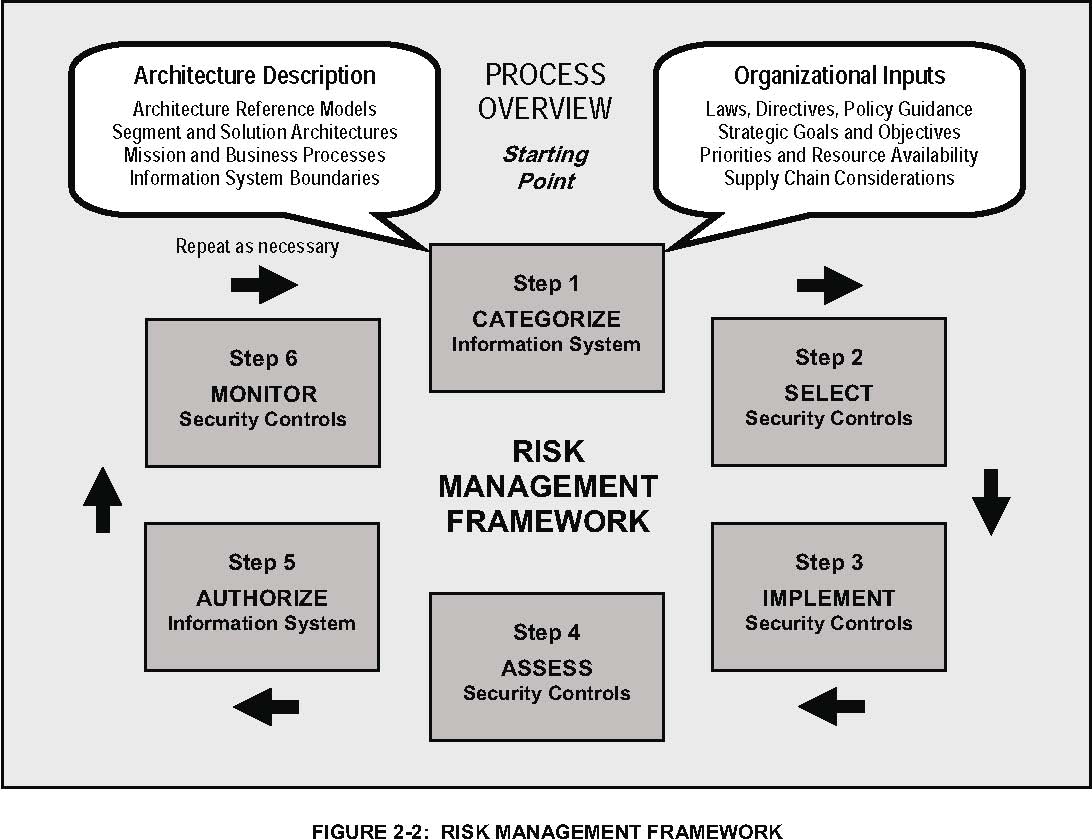
To navigate this space, one must distinguish between voluntary frameworks and mandatory regulations. Voluntary frameworks, such as the NIST AI Risk Management Framework (RMF), provide a foundation for best practices. Mandatory regulations, such as the EU AI Act, impose strict legal obligations based on the “risk level” of the AI system.
Risk-Based Classification: Most modern AI regulations categorize systems into tiers. For example, “Prohibited” AI practices (such as real-time biometric identification in public spaces) are banned outright, while “High-Risk” systems—those used in critical infrastructure, recruitment, or credit scoring—require rigorous documentation, human oversight, and data governance.
Explainability (XAI): Regulators are increasingly demanding that companies explain why an AI made a specific decision. If your model acts as a “black box,” you are inherently non-compliant in sectors where discrimination or bias could be alleged.
Step-by-Step Guide: Implementing a Proactive Compliance Framework
- Conduct a Comprehensive AI Inventory: You cannot govern what you cannot see. Map every AI model, algorithm, and data pipeline currently in use. Identify “Shadow AI”—tools being used by employees without IT or legal approval.
- Establish a Cross-Functional AI Governance Committee: Compliance is not solely the job of the legal department. Form a committee comprising stakeholders from Legal, Engineering, Ethics, and Data Science. This ensures that compliance is “baked in” to the code, not “bolted on” at the end.
- Implement an AI Risk Impact Assessment (ARIA): Before a new model is deployed, perform an ARIA. Evaluate data provenance (where the data came from), potential biases in training sets, and the implications of the model’s output on human rights and privacy.
- Operationalize Model Monitoring: Compliance does not end at deployment. Establish continuous monitoring systems to track performance drift and bias. If an AI starts making biased hiring decisions six months after launch, you must have an automated “kill switch” or alert system.
- Maintain Transparent Documentation: Create a “Model Card” for every high-stakes AI system. This document should detail the intended use, limitations, training data sources, and known failure modes. This is your primary defense during a regulatory audit.
Examples and Real-World Applications
Consider the financial sector. Banks using AI for loan approvals must now ensure their models do not inadvertently utilize proxies for protected classes (e.g., zip codes as a proxy for race). A bank that proactively tests its models for disparate impact before deployment avoids the multi-million dollar fines and class-action lawsuits that often follow a discovery of discriminatory lending practices.
Proactive compliance transforms a potential bottleneck into a trust-building asset. When customers know their data is processed through audited, bias-tested, and transparent AI, brand loyalty increases significantly.
In healthcare, an AI used for diagnostic imaging must meet strict cybersecurity and medical device standards. A company that adopts a “Compliance by Design” approach—documenting every iteration of the model’s weightings and training sets—can move through FDA or EMA approval processes significantly faster than competitors who must backtrack to document their process after the fact.
Common Mistakes
- The “Compliance-in-a-Box” Trap: Relying solely on automated software tools to handle compliance. No software can replace the nuanced judgment required to identify cultural biases or complex ethical risks in specific industry contexts.
- Ignoring Data Lineage: Assuming that because you licensed a dataset, you have the right to use it for training. Regulatory scrutiny is shifting toward the legality of the *training data itself*. If your data was scraped illegally, your model may be subject to forced deletion.
- Underestimating “Shadow AI”: Allowing departments to experiment with third-party LLMs and APIs without corporate oversight. This creates massive data leakage vulnerabilities and regulatory blind spots.
- Lack of Human-in-the-Loop (HITL): Automating high-stakes decisions without a human safety valve. Regulators are increasingly wary of “fully autonomous” systems in sensitive areas like law enforcement or employment.
Advanced Tips
Red Teaming for Regulatory Stress Tests: Don’t just test for functionality; test for compliance. Employ “Red Teams” to purposefully attempt to make your model output biased, illegal, or harmful content. Documenting these attempts—and your subsequent patches—demonstrates “due diligence” to regulators, which can act as a mitigating factor if a violation ever occurs.
Internal Policy Transparency: Publish an AI Ethics Statement. While not a substitute for legal compliance, having a public-facing policy creates an internal standard. If an issue arises, the organization can prove that it adhered to its own stated principles, which assists in legal defense and public relations.
Adopt Agile Governance: Regulations evolve faster than internal policies. Integrate your compliance framework into your CI/CD (Continuous Integration/Continuous Deployment) pipeline. Use automated testing scripts to check for PII (Personally Identifiable Information) in training datasets before they reach the model.
Conclusion
The regulatory environment for AI is shifting from a Wild West to a structured, highly scrutinized domain. The choice for modern organizations is clear: treat compliance as a reactive expense or as a proactive strategic asset. The latter is not only cheaper in terms of legal fees and potential fines, but it also fosters a culture of innovation that is built on a solid foundation of trust and reliability.
By implementing a structured, cross-functional approach to AI governance—grounded in transparency, documentation, and continuous monitoring—businesses can navigate the complexities of global AI regulation. Don’t wait for the fine; build the defense today.


Leave a Reply