1. Main Title: Beyond Compliance: Mastering Data Protection Impact Assessments (DPIAs) for Sensitive Systems
2. Introduction: Defining the DPIA as a risk-management tool, not just a legal requirement.
3. Key Concepts: Distinguishing between privacy by design, risk threshold, and the “nature, scope, and context” of processing.
4. Step-by-Step Guide: A practical walkthrough of the DPIA lifecycle (Screening, Description, Necessity, Proportionality, Risk Assessment, Mitigation, Documentation).
5. Examples/Case Studies: Application in healthcare (biometrics) and finance (algorithmic lending).
6. Common Mistakes: Failure to consult, static documentation, and lack of stakeholder engagement.
7. Advanced Tips: Continuous monitoring, treating DPIAs as “living documents,” and automated risk registers.
8. Conclusion: Summarizing the value of trust and privacy as a competitive advantage.
***
Beyond Compliance: Mastering Data Protection Impact Assessments (DPIAs) for Sensitive Systems
Introduction
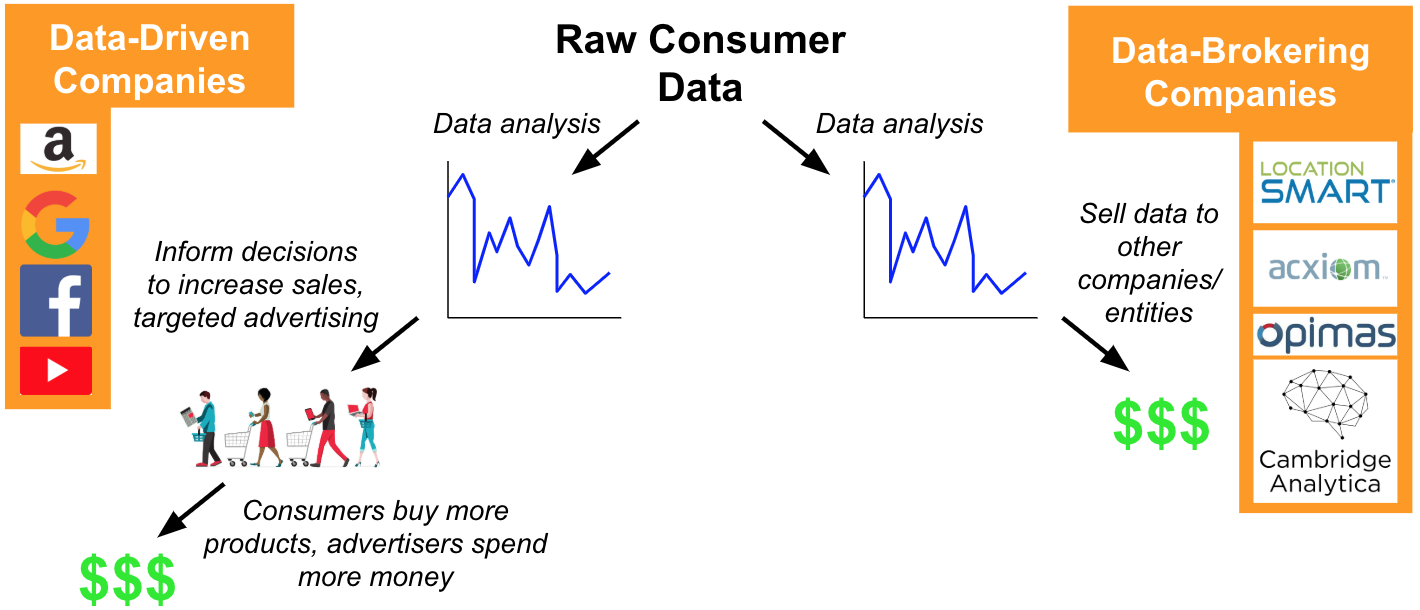
In an era where data is the lifeblood of every digital enterprise, the ability to protect sensitive personal information is no longer just a legal checkbox—it is a cornerstone of brand trust and operational resilience. Many organizations view Data Protection Impact Assessments (DPIAs) as an administrative burden, a bureaucratic hurdle to be cleared before launching a product. This perspective is a dangerous oversight.
A DPIA is effectively a forensic risk-assessment tool. When dealing with sensitive data—such as health records, biometric signatures, or behavioral profiles—the potential fallout from a breach or a privacy failure is not just financial; it is existential. By identifying, evaluating, and mitigating privacy risks before a system goes live, you save your organization from the high cost of post-incident remediation and public scrutiny. This guide provides the framework for turning DPIAs into a strategic advantage.
Key Concepts
To conduct an effective DPIA, you must understand the nuance between “compliance” and privacy engineering. Compliance is the state of following the law; privacy engineering is the process of integrating data protection into the architecture of your systems.
The Trigger for a DPIA: A DPIA is mandatory when a type of processing is likely to result in a “high risk” to the rights and freedoms of individuals. This often includes systematic, large-scale monitoring of public areas, processing of special categories of data (e.g., genetic, religious, or political data), or using innovative technologies that significantly affect how a user interacts with a platform.
The Proportionality Principle: This is the golden rule of data protection. You must be able to prove that the data you are collecting is necessary for the stated purpose. If you can achieve the same result with less data—or with anonymized data—then collecting sensitive personal information is inherently disproportionate and unjustified.
Step-by-Step Guide
Conducting a DPIA should be a collaborative process. Follow this sequence to ensure depth and accuracy:
Screening: Determine if a DPIA is required. If the project involves new technology, automated decision-making, or sensitive data, assume the answer is yes. Document your decision-making process even if you decide a DPIA is not required.
System Description: Map the data flow. How is data collected? Where is it stored? Who has access? Use a data mapping visual to show the life cycle of the information from ingress to deletion.
Necessity and Proportionality: Consult with your legal, security, and product teams. Ask: “Can we accomplish our business goal without using this specific sensitive data?” If the answer is yes, pivot the project architecture.
Risk Identification: Identify the threats. Think beyond hackers. Consider human error, unauthorized internal access, function creep (where data is used for a purpose other than intended), and bias in algorithmic outputs.
Mitigation Strategy: For every risk identified, assign a specific mitigation. Can you implement pseudonymization? Can you limit access permissions (Role-Based Access Control)? Can you shorten retention periods?
Documentation and Sign-off: Formalize the assessment. This document is your evidence for regulators that you have acted with due diligence.
Review and Monitor: A DPIA is not a static document. It must be revisited whenever the system undergoes significant changes or updates.
Examples and Case Studies
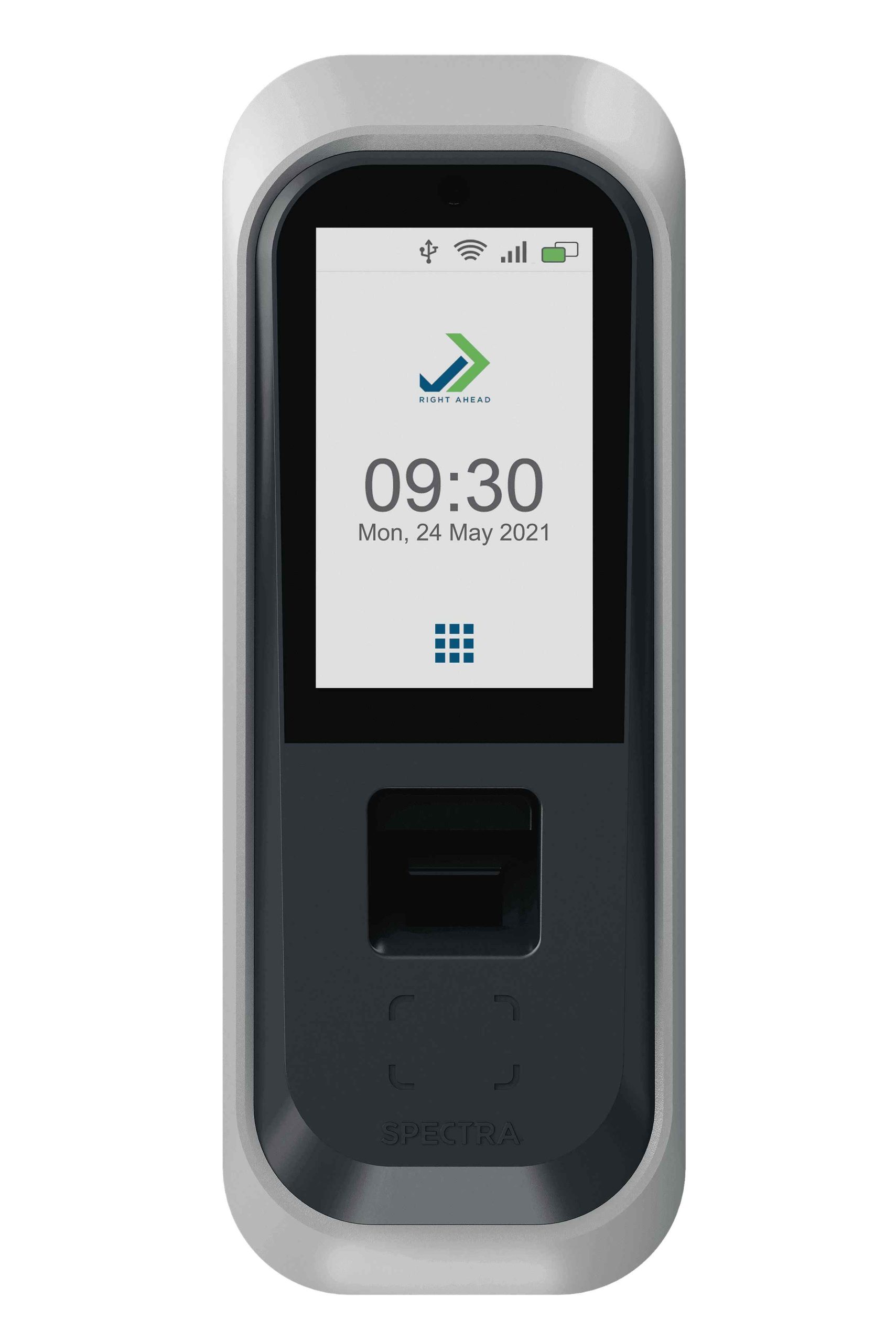
Healthcare: Implementing a Remote Patient Monitoring App. A hospital chain creates an app that uses biometric facial recognition to ensure patients take their medication. The DPIA finding: The biometric template is considered highly sensitive. The mitigation: Instead of storing raw images on a central server, the app performs the matching on the user’s local device (edge processing). The server only receives a confirmation token, not the biometric data itself.
Finance: Deploying an AI-based Loan Approval Algorithm. A fintech startup uses machine learning to assess creditworthiness. The DPIA finding: The model might inadvertently discriminate based on protected characteristics like zip code or gender, creating “black-box” decisions that are legally indefensible. The mitigation: The team implements an explainability layer (XAI) to provide clear reasons for loan rejections and conducts regular bias audits of the training data, ensuring the model remains equitable.
Common Mistakes
Treating the DPIA as a final report: Never write a DPIA at the end of a project. If you find a flaw at the end, you have to rebuild the system from scratch. Do it during the design phase.
Working in a silo: Do not let the Legal department write the DPIA alone. You need input from engineers, IT security, and the product owner to ensure the document reflects the actual technical implementation.
Ignoring “Function Creep”: Often, a system is designed for one task but is later used for something else. Your DPIA should anticipate future use cases and set boundaries on how the data can be repurposed.
Generic Descriptions: Vague statements like “we will use encryption” are insufficient. A good DPIA specifies the type of encryption, key management procedures, and who controls the decryption keys.
Advanced Tips
To move from basic compliance to privacy leadership, treat your DPIA as a “living document.” Integrate your DPIA process into your CI/CD (Continuous Integration/Continuous Deployment) pipeline. When an engineer pushes a code update that changes how data is handled, trigger an automated notification to the privacy officer.
Privacy is not an obstacle to innovation; it is a catalyst for higher-quality, more resilient software engineering.
Furthermore, use a “Data Protection Register” to track your findings across the entire organization. By aggregating risks from different departments, you may discover systemic vulnerabilities—such as a specific database vendor or a particular authentication protocol—that require a wider organizational strategy to fix.
Conclusion
Data Protection Impact Assessments are the primary defense against the erosion of privacy in an automated, data-hungry world. They force teams to slow down, analyze, and justify their actions, which inevitably leads to better product architecture and increased customer trust.
By shifting the mindset from “avoiding fines” to “earning trust,” organizations can move past the limitations of simple compliance. Treat your next DPIA not as a form to be filled out, but as a roadmap to building systems that are inherently secure, transparent, and respectful of individual rights. In the long term, that is the most sustainable way to grow a digital business.