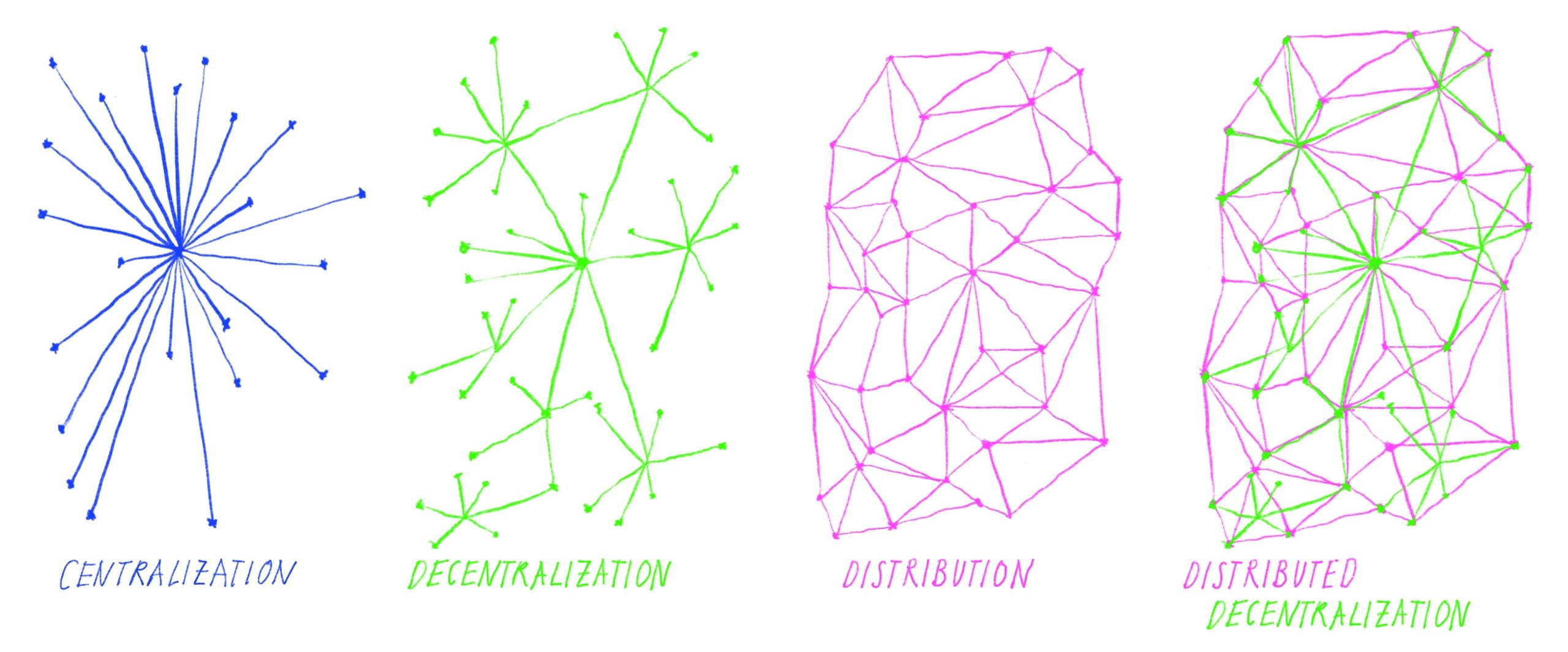
Modern cities are embracing technology at an unprecedented rate, becoming “smarter” with every new IoT sensor and data stream. Yet, this digital transformation often creates a paradox: increased connectivity can lead to decreased privacy and a loss of user control over personal data. As cities integrate digital services for everything from public transit to energy management, they increasingly rely on centralized databases. These systems, however, are ripe for vulnerabilities, where a single data breach could compromise the identities of millions.
The solution lies in Verifiable Decentralized Identity (VDI). VDI shifts the power of personal data control from institutions back to individuals, creating a more secure and trustworthy system. In VDI, users can prove who they are without unnecessarily exposing private information. However, implementing such a profound change in complex urban environments carries inherent risks. This is precisely why Verifiable Decentralized Identity Simulators are essential. These controlled, digital environments act as crucial testing grounds, allowing urban planners and developers to rigorously test identity protocols before they are deployed in real-world city infrastructure.
Understanding the Core Components of VDI
Before diving into simulators, it’s vital to grasp the foundational elements of a decentralized identity ecosystem:
Key Concepts in Decentralized Identity
* Decentralized Identifiers (DIDs): These are unique, self-sovereign identifiers that do not depend on any central authority or registry. They are cryptographically verifiable and entirely under the user’s control.
* Verifiable Credentials (VCs): Think of these as digital versions of your physical documents – like a driver’s license, proof of address, or student ID. Each VC is cryptographically signed by an issuer and securely held by the user.
* Zero-Knowledge Proofs (ZKPs): This is the cryptographic “magic” that allows you to prove a specific fact—such as being over 18 or residing in a particular district—without revealing the underlying sensitive data like your exact birthdate or home address.
* The Simulator: This is a high-fidelity digital replica of an urban environment. Here, DIDs and VCs interact with simulated city services (like automated toll booths or library access systems) to assess performance metrics such as latency, security, and overall user experience.
By employing a simulator, city stakeholders can model how a system handles millions of identity verifications during peak usage times, all without risking the exposure of sensitive citizen data to potential attackers.
A Practical Guide to Implementing a VDI Simulator
Building and utilizing a VDI simulator involves a structured approach. Here’s a step-by-step guide to help you get started:
Implementing Your VDI Simulator: A Step-by-Step Approach
1. Define the Specific Urban Use Case: Start by identifying a clear problem area. This could be streamlining the verification process for social services or enhancing security for access to government buildings. Crucially, determine precisely which attributes need to be shared and which must remain private for this specific scenario.
2. Select an Appropriate DID Method: Choose a DID method that prioritizes interoperability, such as `did:peer` or `did:web`. Aligning with W3C standards is key to preventing future vendor lock-in and ensuring compatibility.
3. Model the Identity Lifecycle: Utilize simulation software to meticulously map out the three core phases: Issuance, Presentation, and Verification. Consider critical scenarios: How will the system manage lost user keys? What are the procedures if a credential needs to be revoked?
4. Integrate with Urban Digital Twins: Connect your identity simulator to existing urban modeling tools or digital twins. This integration allows you to visualize the impact of identity verification latency on real-world elements like traffic flow or service queue times.
5. Conduct Stress Testing with Adversarial Modeling: Simulate potential threats, such as Sybil attacks (where one entity creates numerous fake identities). This testing ensures that your decentralized reputation systems are robust enough to resist manipulation.
6. Iterate and Refine: Adjust the parameters of your Zero-Knowledge Proofs to strike the right balance between speed and security. A verification that takes ten seconds might be perfectly acceptable for a building permit application but entirely impractical for a busy subway turnstile.
Real-World Applications and Lessons Learned
The value of VDI simulators extends beyond theoretical exercises, offering tangible pathways to improving urban living.
Examples and Case Studies in Action
* Smart Transit Access: In a simulated urban mobility project, researchers tested a “Privacy-Preserving Fare Collection” system. Instead of using a transit card tied to a bank account, commuters presented a VC containing only a “valid pass” attribute. The simulator confirmed that the system could verify transit eligibility in under 200 milliseconds, ensuring seamless entry at turnstiles while safeguarding individual travel history from the transit authority.
* Digital Residency Verification: Cities are exploring systems where citizens can prove residency using ZKPs for local voting initiatives. This approach verifies eligibility without the city maintaining a hackable database of residents, enhancing both security and democratic participation.
Common Pitfalls to Avoid
* Over-Engineering Privacy: While privacy is paramount, attempting to obscure every single data point can lead to excessive computational demands. It’s crucial to balance privacy needs with the practical operational requirements of the urban system.
* Neglecting Revocation Mechanisms: Many development efforts focus heavily on credential issuance, overlooking the critical need for simulating credential revocation. Without effective mechanisms for managing revoked credentials (like a cancelled library card), the system’s security is severely compromised.
* Underestimating Digital Literacy Gaps: Decentralized identity systems often require users to manage their own cryptographic keys. If a simulator doesn’t account for scenarios like users losing their devices, the simulated urban service could inadvertently deny access to citizens. Always test recovery protocols thoroughly.
* Isolating the Simulator: A simulator’s effectiveness is diminished if it doesn’t reflect the actual network conditions of the city. If your simulation runs on a high-speed local server but the city’s infrastructure relies on less stable connections, your performance data may be misleading.
Advanced Strategies for Maximizing Simulator Efficacy
To truly harness the power of VDI simulators, consider these advanced tips:
Enhancing Simulator Performance and Impact
* Focus on Interoperability Layers: Ensure your simulator can seamlessly communicate with other municipal systems using standardized data schemas. If the identity layer cannot interface with existing Customer Relationship Management (CRM) systems, the potential for automation and efficiency will be significantly limited.
* Prioritize User Experience (UX) Testing: Even the most sophisticated VDI protocol will falter if the user interface is too complex for the average citizen. Incorporate human-in-the-loop simulation to measure how long it takes users to complete identity verification tasks. A cumbersome process will inevitably lead to low adoption rates, regardless of the underlying technology’s superiority.
* Account for the Legal and Regulatory Landscape: Configure your simulator to identify potential conflicts with local data protection laws, such as GDPR or CCPA. This includes flagging instances where a ZKP process might inadvertently collect metadata, even if the primary data remains encrypted.
The Future of Urban Trust
Verifiable Decentralized Identity represents the foundational technology for the next generation of smart cities. It offers a paradigm shift, transforming urban systems from data-hungry surveillance apparatuses into efficient, privacy-conscious ecosystems. By leveraging high-fidelity simulators, urban planners can proactively identify potential weaknesses and optimize workflows before introducing these systems to the public.
The transition to decentralized identity is more than just a technical upgrade; it signifies a fundamental reimagining of the social contract between cities and their residents. When citizens gain true ownership of their data, trust becomes an intrinsic part of the city’s very architecture. Begin by mapping your most critical urban services, defining their identity requirements, and utilizing simulators to ensure your journey toward innovation is both secure and scalable.
*
TheBossMind.com provides external links solely for accuracy, integrity, and verification. TheBossMind.com does not, will not, and has no intention of disclosure of any kind as it pertains to any source or any specifics that might allow the identification of, or the scope or depth of what any source provided. To ensure we uphold this standard all source information is immediately processed in such a manner that identification of source cannot be determined.
Further Reading
* W3C Verifiable Credentials Data Model v2.0: [https://www.w3.org/TR/vc-data-model/](https://www.w3.org/TR/vc-data-model/)
* NIST Special Publication 800-63B, Digital Identity Guidelines: [https://csrc.nist.gov/publications/detail/sp/800-63/b/final](https://csrc.nist.gov/publications/detail/sp/800-63/b/final)
* DHS Science and Technology: Digital Identity Resources: [https://www.dhs.gov/science-and-technology/digital-identity](https://www.dhs.gov/science-and-technology/digital-identity)
* Understanding Decentralized Identifiers (DIDs): [https://www.w3.org/TR/did-core/](https://www.w3.org/TR/did-core/)
* The Role of Zero-Knowledge Proofs in Privacy-Preserving Systems: [https://www.ethereum.org/en/developers/docs/smart-contracts/zk-rollups/](https://www.ethereum.org/en/developers/docs/smart-contracts/zk-rollups/)
Standardizing Model Evaluation: A Professional Framework for Reporting Accuracy, Precision, and Recall Introduction In the rapidly maturing field of machine…
The Alignment Guardrail: Auditing Reward Model Calibration to Prevent RLHF Drift Introduction Reinforcement Learning from Human Feedback (RLHF) is the…